

Overview
- Name: Carrot
- Botanical Name: Daucus carota subsp. sativus
- Plant Family: Apiaceae (Carrot Family)
- Native to: Europe, Southwestern Asia
Description
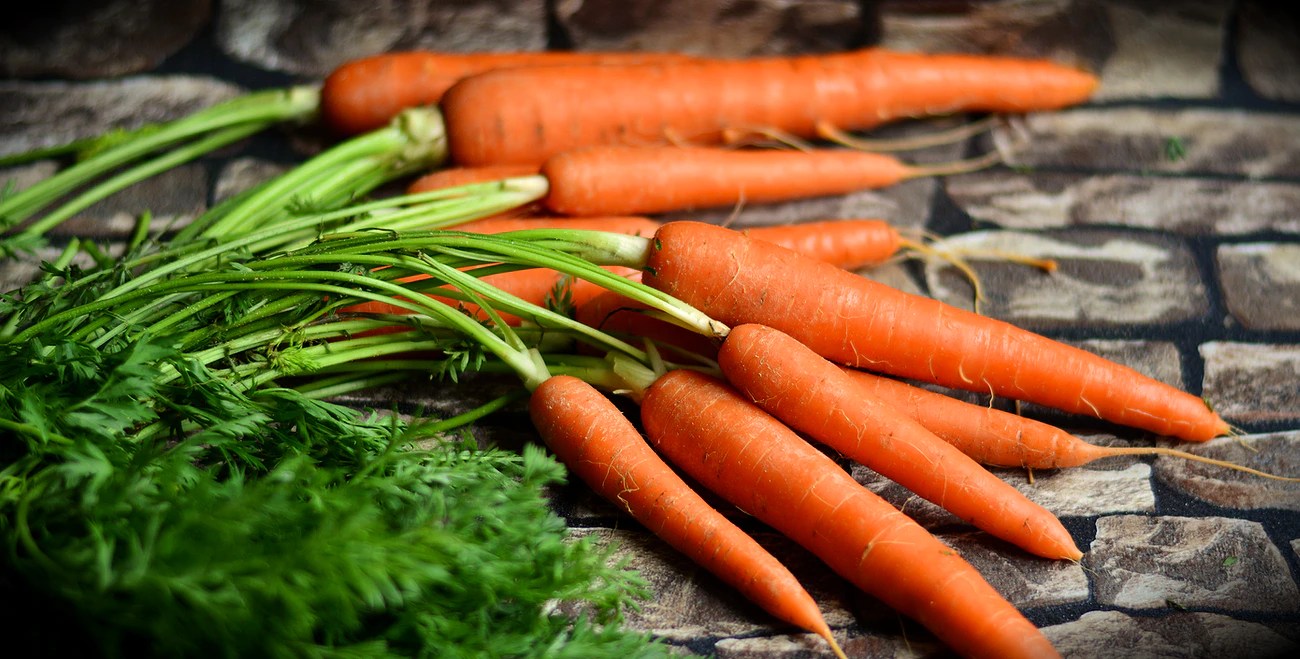
Carrots are biennial root vegetables, but they are commonly grown as annuals for their edible taproots. They have a rosette of 8-12 finely divided, feathery leaves with a fern-like appearance, reaching heights of 30-60 cm (12-24 in). The root can range from 15-30 cm (6-12 in) in length and can reach up to 5 cm (2 in) in diameter. Although the most familiar color of the taproot is orange, carrots also come in varieties of purple, black, red, white, and yellow. In the second year, carrots produce umbrella-like clusters of small white flowers, each about 2 mm in size, arranged in clusters known as umbels, if not harvested. When the plant reaches the flowering stage, the foliage can grow up to 150 cm (5 ft) tall.
Interesting Facts
- Carrots were first cultivated in 10th century Persia for their aromatic leaves and seeds, while the ones we eat today are derived from wild varieties that were initially purple or white..
- Carrots were originally purple or yellow until Dutch breeders developed orange carrots in the 17th century through selective breeding, likely from mutations that increased beta-carotene content.
- The wild ancestor of the carrot, Daucus carota (Queen Anne’s Lace), still grows as a weed.
- Carrots are rich in beta-carotene, which the body converts into vitamin A. This nutrient is essential for good vision, immune system health, and skin integrity. Interestingly, the bioavailability of beta-carotene increases when carrots are cooked.
- The roots, leaves and seeds of carrots are used in traditional herbal medicine to treat a variety of ailments.
Basic Growing Information
- Sun Requirements: Full sun to partial sun
- Water Requirements: Medium
- Soil Types and Properties: Well-draining, loose, sandy soil which is free of large rocks and rich in organic matter
- Soil pH: 5.5 to 7.0
- Pot Size for Container Growing: Minimum of 30 cm (12 in) deep and wide
Planting
Carrots are cool-season crops and grow best at soil temperatures of 10-24°C (50-75°F). They can usually be planted in early spring and left in the ground all summer for harvest in the autumn. The ideal temperature range for their growth is a warmer 16-24°C (61-75°F). Carrot seedlings are highly sensitive to temperature extremes, as excessive heat can be fatal, while temperatures below 10°C (50°F) may result in the growth of elongated, paler roots.
- Best Time to Plant
- Climates with freezing winters: Early spring or late summer
- Climates with milder winters: Late autumn
Note: Check gardening calendars for the best planting times in your location.
- Spacing: 5 cm (2 in) between plants and 30 cm (12 in) between rows
- Seed Sowing Method: Sow seeds directly into the ground
- Seed Sowing Depth: 0.5 cm (¼ in) deep
- Time to Harvest: 12-18 weeks when planted from seed
- Mature Height/Spread: 30-60 cm (12-24 in) tall, spread varies depending on cultivar
- Grown From: Seeds
Carrots are usually sown directly seeded into the ground, but they also grow well in raised beds and containers. Before planting, prepare the soil by clearing away any rocks and breaking up clumps to ensure at least 30 cm (12 inches) of loose soil. In no-dig gardens, the soil will already be loose and friable, so there’s no need to do any digging. For optimal growth, mix compost into the soil before sowing the seeds, as carrots benefit from the additional organic matter.
Why Cover Carrot Seeds After Sowing?
Some gardeners cover the soil with a sheet of cardboard or wood after sowing carrot seeds, this is a technique used to enhance germination by maintaining optimal growing conditions. This method helps keep the soil moist, provides temperature stability, and protects seeds from external disturbances such as birds, insects, and heavy rain (which can wash them away). Once the seeds begin to germinate, the cover is removed to allow light access and prevent overheating and moisture-related diseases. Here’s how to do it effectively:
Steps for Using a Cardboard or Wood Sheet Cover When Planting Carrot Seeds:
- Prepare the Soil: Loosen and smooth the garden bed or container where you will plant the carrot seeds.
- Sow the Seeds: Sprinkle the carrot seeds thinly and evenly across the soil surface. Lightly cover them with a thin layer of fine soil or compost.
- Water Gently: Use a fine spray to moisten the soil, ensuring it’s damp but not waterlogged.
- Cover with Cardboard: Place a sheet of cardboard or wood directly over the sown area. Ensure that it covers the entire sown surface and is secured against the wind (place a brick on the ends, or a heavier piece of wood across the top).
- Check Regularly: Lift the cardboard every few days to check moisture levels and sprinkle water if the soil is drying out.
- Remove Cardboard: As soon as the first sprouts appear, remove the cardboard to expose the seedlings to sunlight.
- Continue Care: Water regularly to keep the soil moist and thin the seedlings if they appear crowded.
This method not only simplifies carrot growing by improving germination rates but also minimises maintenance during the critical early stages of growth.
Care and Maintenance
- Watering Tips: Carrots benefit from plenty of moisture, water deeply at least once a week to promote deep root growth.
- Mulching: Mulching around the plants helps to conserve moisture and reduce weeds.
- Fertilisation: Apply a balanced fertiliser every 5-6 weeks after the seeds are sown.
- Pruning: Not generally required.
- Support: Not necessary.
Growing Difficulty
- Moderate Difficulty
Growing Tips
- Thin seedlings to avoid overcrowding, which can result in deformed roots.
- Mulch to retain soil moisture and reduce competition from weeds.
- Avoid rocky soil to prevent forked roots.
- Avoid using excessive nitrogen fertiliser when growing carrots as this results in lots of lush foliage growth at the expense of root development, resulting in smaller and lower-quality carrots.
- During drought conditions keep the soil damp, as heavy rain after a dry period may cause splitting of the roots.
- Use row covers to protect early plantings from frost.
Companion Plants
- Good companion plants include: Onions, leeks, tomatoes, and lettuce
- Avoid planting near: Dill, parsnip, and fennel
Common Pests and Diseases
- Pests: Carrot fly, aphids, and root-knot nematodes
- Prevention and control methods: Use floating row covers to protect from pests.
- Diseases: Leaf blight and root rot
- Prevention and control methods: Ensure good air circulation and avoid overhead watering.
Harvesting
- Harvest Time: Carrots are typically ready for harvest when their roots have reached a suitable size of 1-2 cm (½ to 1 in) in diameter or more. You can check this by looking at the top of the carrot (the crown) that protrudes from the soil. Leaving carrots in the ground until they’ve been through at least one frost can enhance their sweetness. However, it’s important to harvest them before the soil freezes, or alternatively, protect the plants with a cover to prevent freezing.
- Harvesting Tips: Use a garden fork to gently loosen the soil around the carrots. This helps prevent breaking or damaging the carrots when pulling them out. Insert the fork into the soil a few inches away from the row of carrots and gently lift the soil. Grasp the carrot tops near the base, close to the soil line, and gently pull upward. If the soil is sufficiently loose, the carrot should come out easily. For more stubborn carrots, it may be necessary to wiggle them slightly as you pull.
- Storage: Carrot tops should be twisted off of cut off 1.3cm (0.5 in) above the crowns, and any loose soil should be washed off prior to refrigeration in airtight bags. Do not store damage carrots, either use them in the kitchen or dispose of them in the compost or worm farm. Carrots may also be stored in moist sand in a dry shed to keep them fresh prior to use.. Use a sturdy wooden box, lay then down with moist sand between carrots so they’re not touching each other to spread rot if any go bad.
Propagation
- Produce New Plants From: Seeds
Culinary Uses
- Carrots are versatile and can be eaten raw or cooked. They are often added to soups, stews, and salads, used as a cooked vegetable, or as a snack. Carrot tops can also be used as an herb in various dishes.
In summary, Carrots are nutritious, delicious, and rewarding to grow. By following proper care and maintenance, you can enjoy a plentiful harvest of this colorful vegetable, perfect for various culinary uses throughout the year.
Please feel free to add any growing tips in the comments below, and also include your climate/hardiness zone if it’s helpful.