

Overview
- Name: Lettuce
- Botanical Name: Lactuca sativa
- Plant Family: Asteraceae (Daisy Family)
- Native to: Mediterranean region and Western Asia
Description
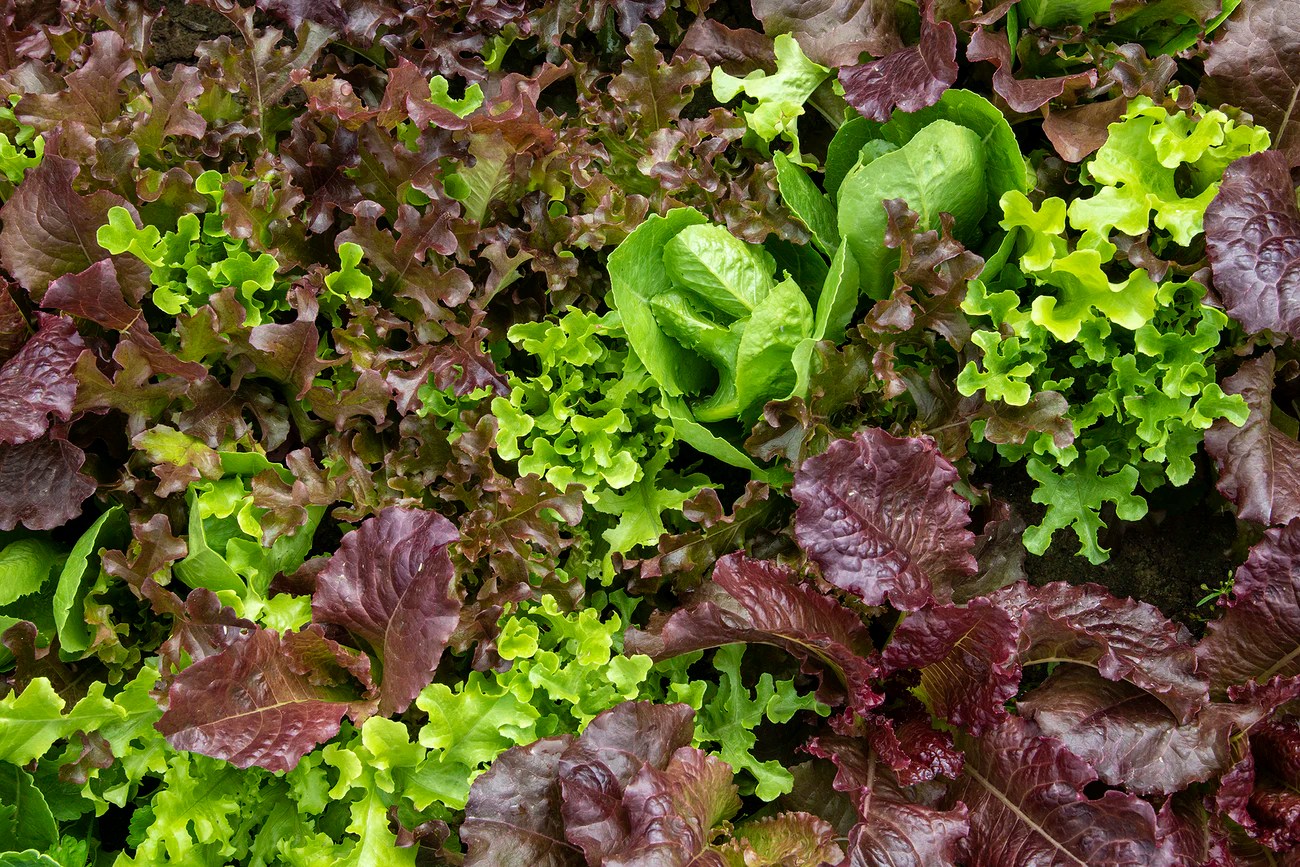
Lettuce is an annual plant commonly grown as a leaf vegetable. It typically reaches 15-30 cm (6-12 in) in height, forming a dense head, or loose rosette of leaves that are larger at the base and become progressively smaller in size towards the tip of the stem. The leaves vary in shape, colour, and texture depending on the variety, they may be smooth or curly, and vary from shades of green to red. Lettuce varieties include crisphead (iceberg), butterhead, romaine (cos), and loose-leaf types. The plant’s leaves can range from green to red and from smooth to crinkly. When left to flower, the plant sends up a stalk and produces small, yellow flowers followed by seed pods.
Interesting Facts
- Lettuce has been cultivated for over 2,500 years, initially for its oil-rich seeds. The ancient Egyptians first grew wild lettuce primarily for oil extraction from its seeds. Over time, they began cultivating specific varieties with tender leaves for use as a food crop, leading to the development of the leafy vegetable we know today.
- The wild ancestor of cultivated lettuce is Lactuca serriola, also known as wild lettuce or prickly lettuce. It was used historically as a medicinal herb, especially for its sedative and pain-relieving properties, due to the presence of lactucarium, a milky latex substance.
- It is a short-lived crop that can be grown in many gardening zones, and can be grown all year round in mild temperate climates.
- Lettuce is a good source of vitamin A and potassium.
- The name “lettuce” comes from the Latin word for milk, lac, referring to the milky juice (latex) found in the stems.
Basic Growing Information
- Sun Requirements: Partial sun to shade (tolerates full sun in cooler climates)
- Water Requirements: High
- Soil Types and Properties: Fertile, well-draining, loamy soil rich in organic matter
- Soil pH: 6.0 – 7.0
- Pot Size for Container Growing: Minimum 20 cm (8 in) in diameter and depth
Planting
Lettuce is a cool season crop, that grows optimally at soil temperatures of 4-16°C (40-60°F). The plant is adaptable to various soil types, provided they are fertile and have the ability to retain moisture.
Heat-tolerant lettuce varieties can be grown during the summer months. To prevent the plants from bolting, it’s important to protect the leaves from strong sun by providing shade or cover.
- Best Time to Plant:
- Climates with freezing winters: Sow seeds indoors 4-6 weeks before the last frost, transplanting outdoors in early spring.
- Climates with milder winters: Sow seeds directly outdoors in autumn or early spring.
Note: Check gardening calendars for the best planting times in your location
- Spacing: 15-30 cm (6-12 in) between plants, depending on the variety
- Seed Sowing Method: Sow seeds directly into the ground or into seed trays for transplanting.
- Seed Sowing Depth: 0.5 cm (0.25 in) deep
- Time to Harvest: 8-12 week when planted from seed, depending on the variety
- Mature Height/Spread: Varies by type, typically 15-30 cm (6-12 in) high and wide
- Grown From: Seeds
Lettuce seeds can be sown directly in the garden once the soil is workable, as they will germinate at temperatures of 4°C (40°F) and above. The seedlings will tolerate light frost. Cover seeds lightly with soil and water them in. The seedlings will emerge in 2–15 days. Thin plants to 15-30 cm (6-12 in) apart when they have 2–3 true leaves.
For a continuous harvest, plant new seeds every 2–3 weeks.
Alternatively, sow seeds in seedling trays at 3–4 seeds per 2.5cm (1 in), pot up young plants after 2 weeks, and transplant to the garden after hardening off.
Care and Maintenance
- Watering Tips: Keep the soil consistently moist but not waterlogged.
- Fertilization: Use a balanced, nitrogen-rich fertilizer to promote leaf growth.
- Pruning: Harvest outer leaves regularly to encourage new growth.
- Support: Generally not needed.
Growing Difficulty
- Easy to Moderate Difficulty
Oakleaf lettuce is relatively easy to grow and can be harvested as a cut-and-come-again crop, providing multiple harvests from the same plants. Oakleaf lettuce tends to be more heat-tolerant than other types, making it less likely to bolt (go to seed) in warmer weather.
Iceberg lettuce is the most difficult lettuce variety to grow due to its sensitivity to temperature fluctuations, requiring a narrow range of cool conditions. It has a longer growing season, increasing the risk of exposure to adverse weather, pests, and diseases. The compact head formation demands precise spacing and consistent care to ensure proper development. Additionally, iceberg lettuce has specific watering and nutrient needs, and is more susceptible to diseases such as bottom rot and tip burn, all of which complicate its cultivation compared to other lettuce types.
Growing Tips
- Use mulch to help retain soil moisture and keep roots cool.
- Provide some shade to prevent bolting (going to seed) in hot weather.
Heat Resistant Lettuce Varieties to Grow
Heat-tolerant lettuce varieties of lettuce can be found across different types, including butterhead, loose-leaf, romaine (cos), and Batavia (summer crisp).
1. Butterhead Varieties:
- Summer Bibb: Known for its tender texture and sweet flavor, resistant to heat.
- Buttercrunch: Maintains a buttery texture and mild flavor in warmer temperatures.
2. Loose-Leaf Varieties:
- Black Seeded Simpson: Tolerant of heat and slow to bolt, with light green, crinkled leaves.
- Red Sails: Burgundy-tinted leaves that resist bolting and maintain quality in hot weather.
- New Red Fire: Frilly, red-tinted leaves, resistant to bolting.
- Salad Bowl (Green and Red): Deeply lobed leaves that resist bolting.
3. Romaine (Cos) Varieties:
- Jericho: Produces tall, crisp heads with sweet flavor, bred for heat tolerance.
- Parris Island Cos: Heat-tolerant, producing tall, crisp heads with a nutty flavor.
4. Batavia (Summer Crisp) Varieties:
- Sierra Batavia: Combines qualities of crisphead and leaf lettuce, offering heat resistance and a crisp texture.
These categories encompass a range of lettuce types, each offering heat-tolerant options suitable for summer growing.
How to Grow Iceberg Lettuce Successfully
Iceberg lettuce is prized for its crisp, refreshing texture and mild flavour, making it a favourite for salads and sandwiches. However, it is also one of the most challenging types of lettuce to grow.
Why Iceberg Lettuce is Difficult to Grow
Iceberg lettuce is harder to grow compared to other types of lettuce for several reasons:
- Temperature Sensitivity: Iceberg lettuce requires a narrow range of cool temperatures for optimal growth. It prefers temperatures between 15-21°C (60-70°F). Extreme heat can cause bolting, where the plant flowers and goes to seed prematurely, while frost can damage the plants.
- Longer Growing Season: Iceberg lettuce has a longer growing season compared to other types, increasing the exposure to adverse weather conditions, pests, and diseases.
- Head Formation: The compact head formation of iceberg lettuce requires precise spacing and consistent care to ensure the heads develop properly. Inadequate spacing or inconsistent watering can lead to poor head formation or loose, leafy heads.
- Watering Requirements: Iceberg lettuce needs consistent and adequate watering. Overwatering can cause rot and fungal diseases, while underwatering can result in stunted growth and poor head development.
- Susceptibility to Diseases: Iceberg lettuce is more susceptible to certain diseases, such as bottom rot, downy mildew, and tip burn. These diseases can severely affect crop yield and quality.
- Nutrient Needs: Iceberg lettuce has specific nutrient requirements and may need careful fertilisation to ensure proper growth and head formation. Imbalances in soil nutrients can negatively impact the quality of the lettuce. For example:
- Too much nitrogen fertiliser can lead to overly lush foliage at the expense of head formation, while insufficient nitrogen can result in stunted growth.
- A deficiency in phosphorus can weaken root development.
- A lack of potassium can cause weak, floppy leaves.
- Insufficient calcium can lead to tip burn, where the leaf edges turn brown and die.
These factors make growing iceberg lettuce more challenging compared to other, more resilient and less demanding lettuce varieties.
Steps to Grow Iceberg Lettuce Successfully
- Watering: Water consistently to keep the soil evenly moist but not waterlogged. Iceberg lettuce requires regular watering to form firm, crisp heads.
- Fertilisation: Use a balanced fertiliser to provide essential nutrients. Be careful not to over-fertilize, as excess nitrogen can lead to lush foliage at the expense of head formation.
- Pest and Disease Management: Monitor plants for pests such as aphids, slugs, and snails. Use appropriate organic controls as needed. Rotate crops and practice good garden hygiene to prevent diseases like downy mildew and bottom rot.
- Harvesting: Iceberg lettuce is ready to harvest when the heads are firm and reach full size, typically 70-80 days after planting. Cut the heads at the base with a sharp knife.
Tips for Success
- Shading: During hot weather, provide shade to protect plants from extreme heat and prevent bolting.
- Mulching: Use mulch to retain soil moisture and regulate temperature.
- Continuous Planting: For a steady supply, sow new seeds every 2–3 weeks. If certain plants are impacted by adverse conditions at specific growth stages, others at varying stages, which are more resilient or have a better recovery ability, will continue to survive and yield a crop.
By following these guidelines and paying careful attention to the specific needs of iceberg lettuce, you can successfully grow this challenging but rewarding crop in your garden.
Companion Plants
- Good companion plants include: Carrots, radishes, strawberries, and cucumbers.
- Avoid planting near: Celery and parsley, which may compete for nutrients.
Common Pests and Diseases
- Pests: Aphids, slugs, and snails
- Prevention and Control Methods: Use insect netting barriers, organic pesticides, and encourage beneficial insects.
- Diseases: Downy mildew, powdery mildew
- Prevention and Control Methods: Ensure good air circulation, avoid overhead watering, and rotate crops.
Harvesting
- Harvest Time: Pick leaves as needed once they reach a usable size.
- Harvesting Tips: Cut leaves from the outer part of the plant first; for head-forming varieties, harvest the whole head at once.
Propagation
- Produce new plants from seeds.
Culinary Uses
- Lettuce is most commonly used raw in salads. The leaves can also be used in sandwiches, as a bed for other dishes, and even grilled or sautéed for a warm meal.
In conclusion, lettuce is a staple in any vegetable garden due to its quick growth and minimal care requirements. Its versatility in salads and various dishes makes it a favorite among gardeners and chefs alike. Enjoy the crisp, fresh flavors of homegrown lettuce by following these simple guidelines.