

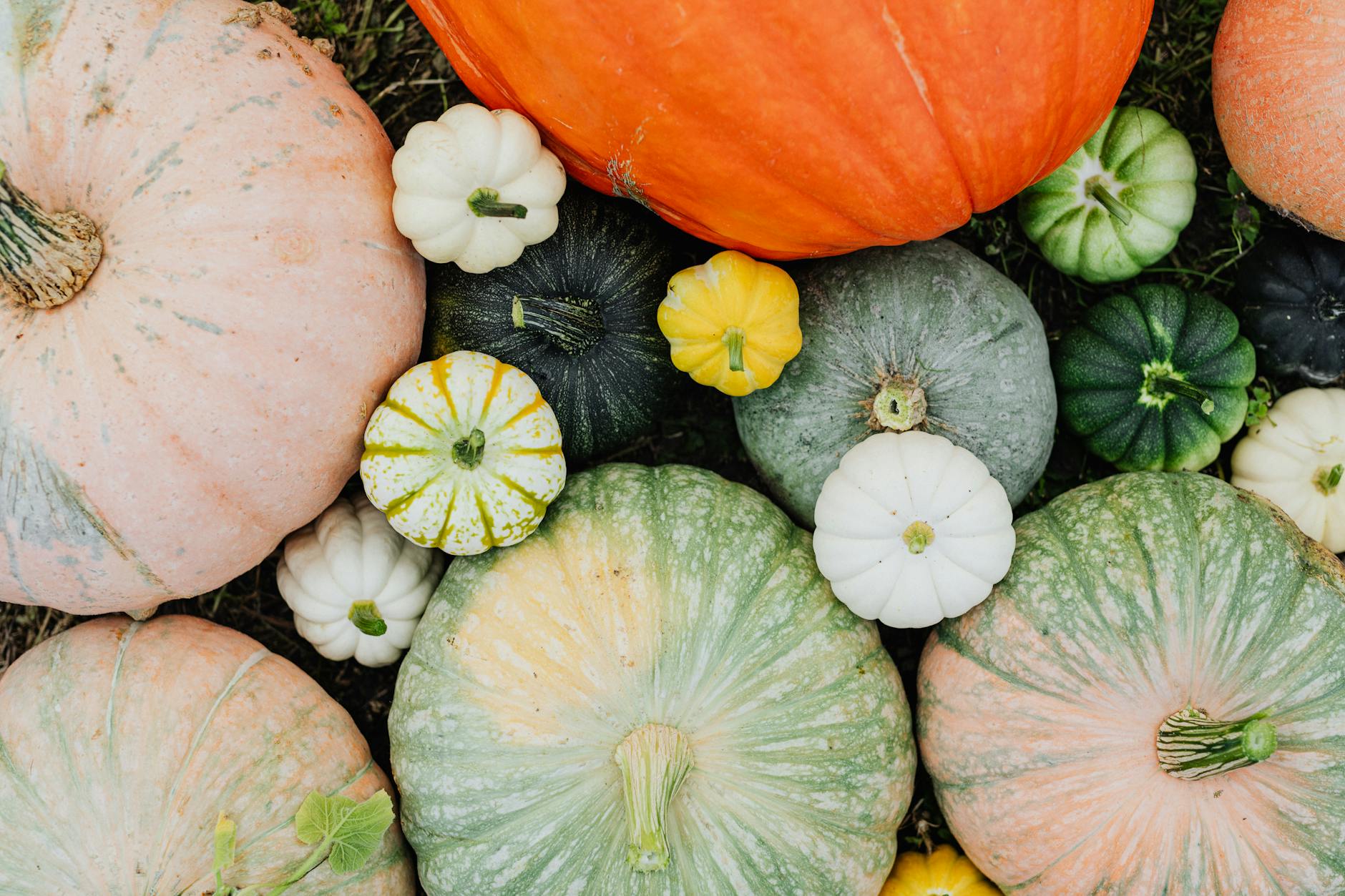
The naming of cucurbits, such as squash and pumpkins, varies significantly across regions, often leading to confusion. While these terms describe the same plants botanically, regional preferences and cultural traditions influence how they are named and categorized.
Naming Conventions in United States and Canada
In North America, the term squash is broadly used to refer to members of the Cucurbita genus, which includes both summer and winter varieties.
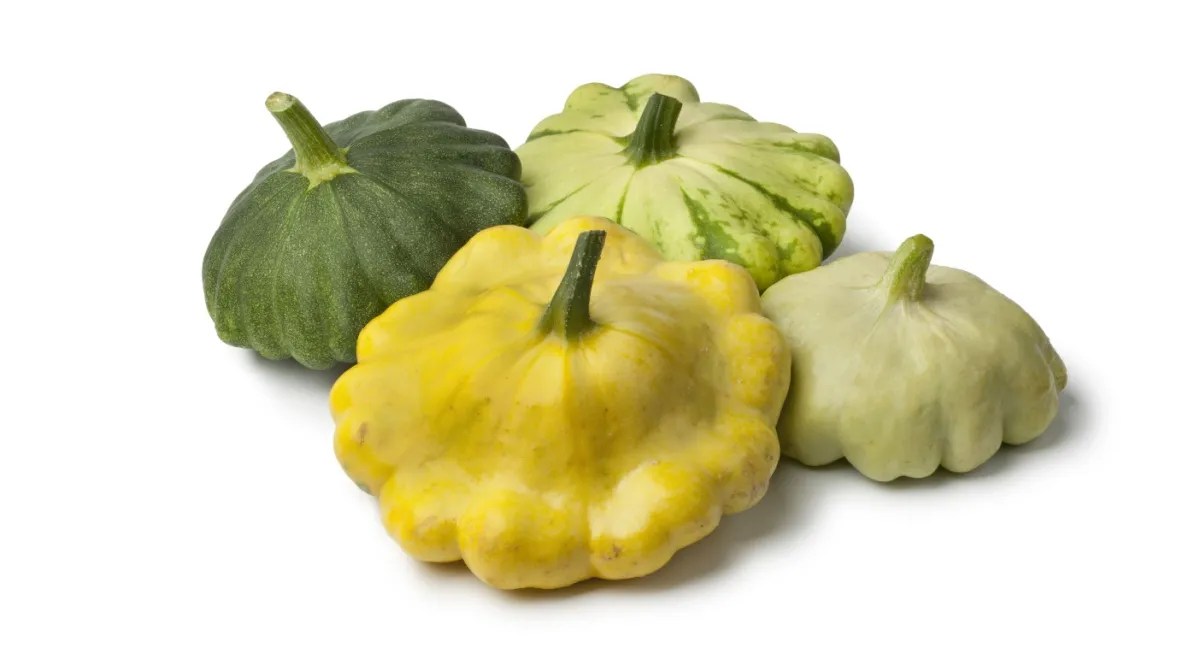
- Summer Squash: Refers to soft-skinned varieties like zucchini, yellow squash, and pattypan squash, which are harvested when immature and tender.
- Winter Squash: Describes hard-skinned varieties such as butternut squash, acorn squash, spaghetti squash, and pumpkins, harvested when fully mature and stored for long periods.

The term pumpkin is generally reserved for specific types of hard-skinned winter squash that are round, orange, and commonly used for carving or cooking, although it can sometimes overlap with squash.
Naming Conventions in Australia and New Zealand
In Australia and New Zealand, the naming conventions differ from North America:
- Pumpkin is the catch-all term for all hard-skinned winter squash, including what North Americans would call butternut squash or acorn squash. Varieties like Kent pumpkin, Queensland Blue, and butternut pumpkin are popular examples.
- Squash, on the other hand, refers specifically to small, soft-skinned summer squash, particularly pattypan squash. While zucchini is technically a summer squash, it is always referred to by its specific name rather than being grouped under the term “squash.”

This distinction reflects a more narrow usage of the term squash in these regions compared to the broader application seen in North America.
Naming Conventions in United Kingdom and Europe
In the UK and much of Europe, naming conventions blend aspects of North American and Australian traditions.
- Squash is commonly used to refer to a wide range of cucurbits, similar to North America, encompassing both summer and winter varieties.
- Pumpkin is typically reserved for round, orange winter squash, similar to the Halloween pumpkins familiar in North America. However, hard-skinned varieties like butternut squash are often referred to by their specific names rather than grouped under pumpkin or squash.
- Zucchini is considered to be a summer squash due to its thin peel, and derives its name from the Italian word zucchino (meaning “small squash”), but is commonly referred to as courgette in the UK and Ireland, a term borrowed from the French.

While the terms squash and pumpkin are used differently around the world, they all refer to plants in the same botanical family. The key distinctions lie in regional naming conventions and cultural preferences. Understanding these differences can help clarify conversations about these versatile and widely grown crops.