

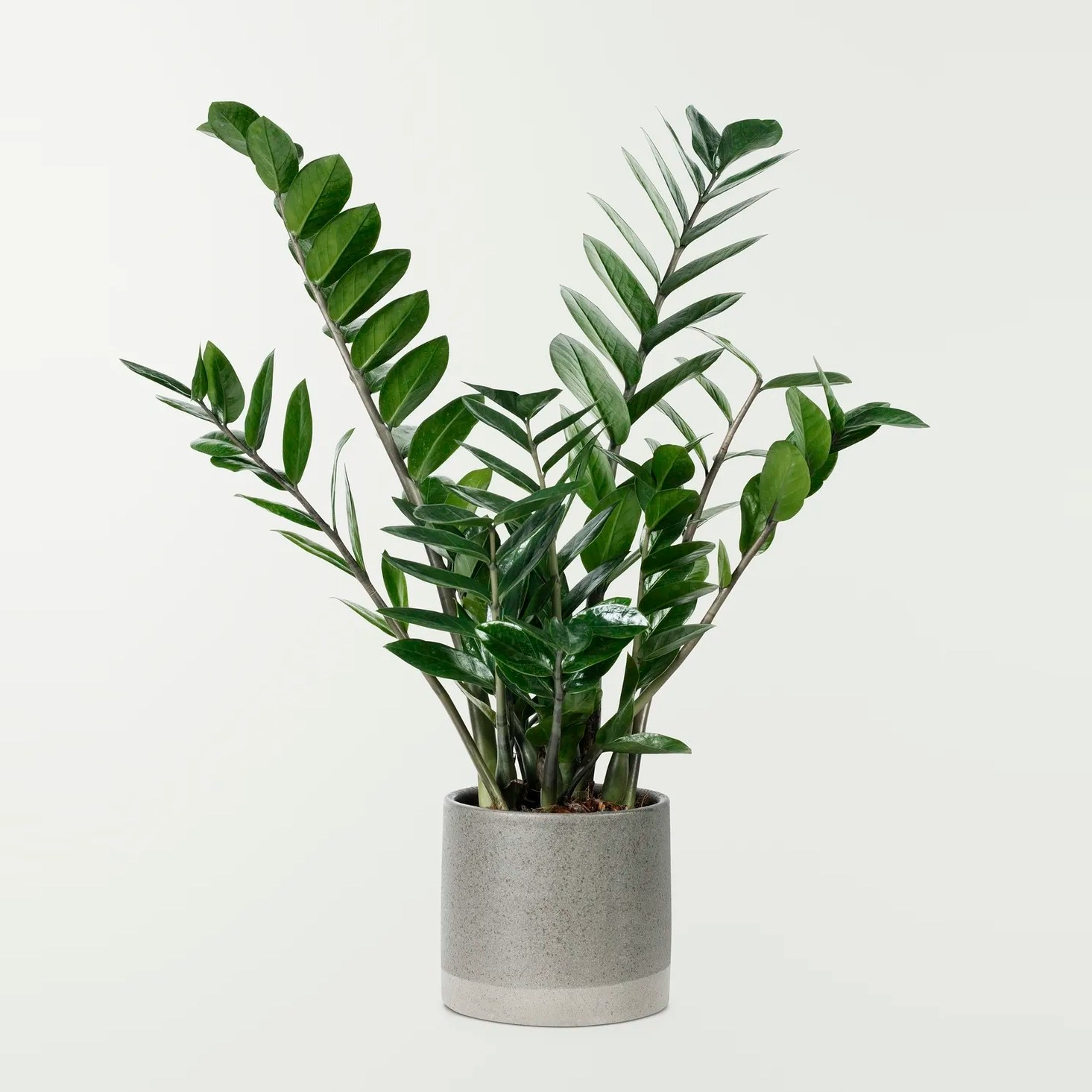
The ZZ Plant, or Zamioculcas zamiifolia, is a striking and robust houseplant that has soared in popularity due to its aesthetic appeal and remarkable resilience. This glossy-leaved plant is an ideal choice for both novice gardeners and those with a more seasoned green thumb, thanks to its ability to thrive under minimal care. This comprehensive guide covers everything you need to know about the ZZ Plant, from its origins to detailed care instructions, ensuring it becomes a thriving part of your indoor garden.
Plant Profile: ZZ Plant (Zamioculcas zamiifolia)
Origin and Description: Originating from Eastern Africa, the ZZ Plant is known for its thick, waxy leaves that grow on stems which can reach up to 2-3 feet in height. The leaves are a deep, emerald green, giving the plant a lush, vibrant look. Its ability to store water within its rhizome (root-like, underground stem) allows it to withstand periods of drought, making it an excellent choice for those who occasionally forget to water their plants.
Benefits: In addition to its striking appearance, the ZZ Plant is known for its air-purifying qualities, capable of removing pollutants such as xylene, toluene, and benzene from indoor air.
Basic Care Guidelines
Watering Needs: The ZZ Plant’s drought tolerance is one of its most celebrated features. It’s best to let the soil dry out completely between waterings to avoid root rot. Typically, watering every 2-3 weeks is sufficient, though this may vary based on your home’s humidity levels.
Soil and Potting: A well-draining potting mix is crucial for the health of your ZZ Plant. Mixing in perlite or sand can improve drainage. Repotting is infrequently needed, only when the plant has outgrown its current container, usually every 2-3 years.
Light Requirements and Lux Levels: The ZZ Plant is exceptionally adaptable when it comes to light conditions.
- Low Light: Below 50 lux. The ZZ Plant can survive in low light conditions, though growth may slow.
- Medium Light: 50 to 250 lux. This is an ideal range for the ZZ Plant, supporting steady growth without risking damage from too much direct sunlight.
- High Light: 250 to 800 lux. While the ZZ Plant can tolerate high light levels, it’s best to avoid prolonged direct sunlight, which can scorch the leaves.
Using a lux meter or smartphone app to measure light conditions can help you find the perfect spot for your ZZ Plant, ensuring it receives the right amount of light to thrive.
Temperature and Humidity: ZZ Plants prefer temperatures between 15-24°C (60-75°F) and do well in average household humidity levels. They can tolerate fluctuations in temperature but should be protected from drafts and extreme cold.
Fertilisation and Pruning: Fertilise the ZZ Plant with a balanced, water-soluble fertilizer every 6-8 weeks during the growing season (spring and summer), or use a solid slow-release solid fertiliser that comes in pellets or prills (little round balls) in spring. Pruning is not typically necessary, but you can remove any yellowing or damaged leaves as needed to maintain the plant’s appearance.
Propagation
Propagation of the ZZ Plant (Zamioculcas zamiifolia) can be accomplished through two main methods, division and leaf cuttings. Each method requires careful handling and patience for successful growth.
Division Method:
- Separating the Root Ball: Start by carefully removing the ZZ Plant from its container. Gently separate the root ball into smaller sections, ensuring each section includes part of the rhizome and some leaves.
- Planting: Each division should be replanted in a pot with well-draining soil, ideally a mix suited for succulents or tropical plants.
- Care: Keep the soil lightly moist and place the pot in an area with indirect light. Avoid direct sunlight, which can scorch the leaves.
Leaf Cuttings Method:
- Preparing the Cutting: Take a healthy leaf from an established ZZ Plant and cut it near the base.
- Rooting the Cutting: You can root the leaf in water or directly in soil. For soil, insert the cut end slightly into a moist, well-drained potting mix. If using water, submerge the cut end, changing the water every few weeks to prevent stagnation.
- Patience is Key: Leaf cuttings take time to develop roots and a new rhizome, often several months. Only minimal signs of growth may be visible during this period.
Best Time for Propagation: The optimal time to propagate a ZZ Plant is during the spring or early summer. These seasons provide the growing conditions that help the new plants or cuttings establish themselves, taking advantage of the warmer temperatures and longer daylight hours.
Both propagation methods require patience and proper care, including maintaining consistent moisture without overwatering and providing sufficient indirect light. With attention to these details, both division and leaf cuttings are effective ways to propagate ZZ Plants.
Pest Management and Troubleshooting
ZZ Plants are generally resistant to pests and diseases. However, overwatering can lead to root rot, which is the most common issue. Ensuring proper drainage and allowing the soil to dry between waterings are key preventive measures.
Decorating with ZZ Plants
The ZZ Plant’s elegant, upright growth habit makes it an excellent choice for floor containers in corners or beside furniture. Its low light tolerance allows for flexibility in placement, making it suitable for offices, bathrooms, or dimly lit corners where other plants might not thrive.
In summary, the ZZ Plant is a fabulous addition to any indoor space, offering both beauty and ease of care. Its tolerance for a wide range of environmental conditions makes it suitable for gardeners of all levels. By following the care guidelines outlined in this guide, you can ensure your Zamioculcas zamiifolia remains healthy and vibrant for years to come. Whether you’re new to indoor gardening or looking to expand your collection, the ZZ Plant is a low-maintenance, high-impact choice that won’t disappoint.