

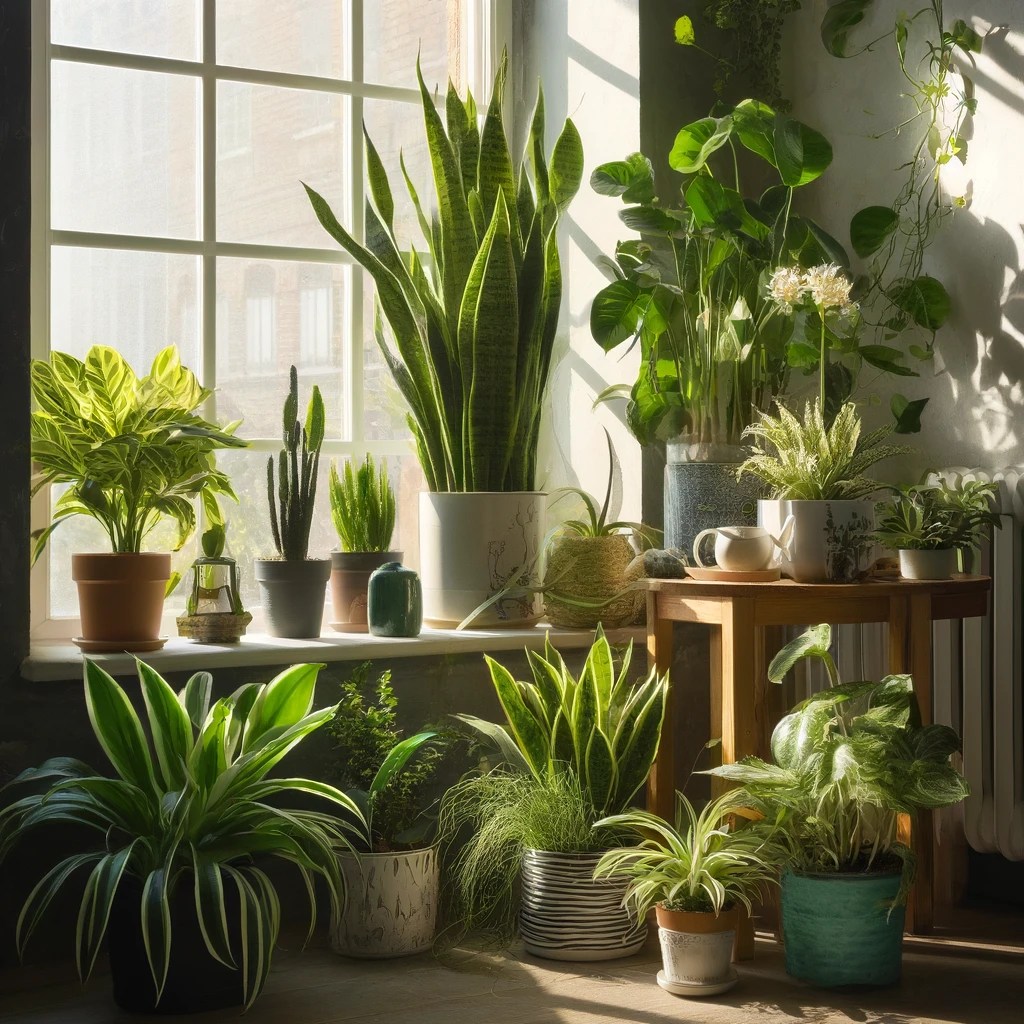
If you’re looking to introduce some greenery into your home but are daunted by the idea of plant care, don’t worry! Choosing the right houseplants can make even a beginner gardener thrive in the world of indoor plants.
This guide will highlight six of the best houseplants for beginners, explain their care needs, and discuss why they are perfect for newcomers to gardening. Additionally, we’ll delve into propagation techniques that allow you to create new plants for free from the ones you already have, to fill your home with plants!
1. Snake Plant (Sansevieria)
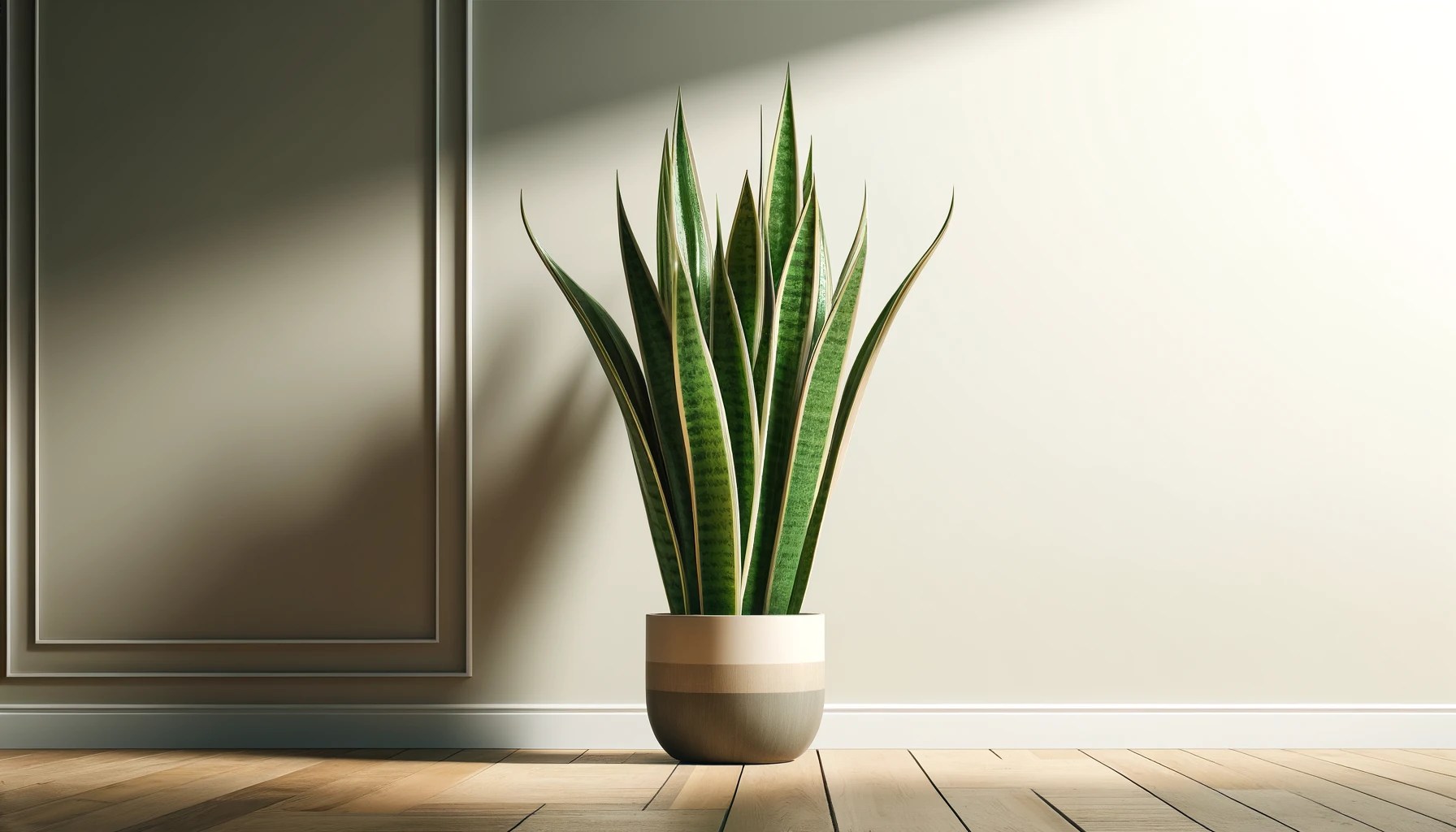
Plant Profile: With its striking upright leaves that resemble a snake’s skin, the Snake Plant, also known as Mother-in-Law’s Tongue, is a popular choice for beginner gardeners. Native to West Africa, this hardy plant can tolerate a wide range of conditions, making it virtually indestructible. Its ability to purify indoor air by removing toxins like formaldehyde adds to its appeal, making it both beautiful and beneficial for your home environment.
Light and Care Requirements: Snake plants thrive in indirect light but can also survive in low light conditions, making them perfect for homes with limited sunlight. Water sparingly, allowing the soil to dry out between waterings to prevent root rot. With minimal effort, your Snake Plant will flourish and become a stunning focal point in any room.
Propagation: Snake Plant (Sansevieria) is typically propagated through three main methods: division, leaf cuttings, and rhizome cuttings. Division involves separating the plant into smaller pieces, each with part of the root system, during repotting. This is often the easiest method as it almost guarantees a new plant identical to the parent. Leaf cuttings involve cutting a leaf into segments and planting them in soil or water, where they eventually root and grow into new plants, although this method can result in plants that revert to a more basic form if the parent plant is a variegated variety. Rhizome cuttings utilize the underground horizontal stems (rhizomes); cutting these into pieces and planting them in soil can also effectively produce new plants. Each method can be effective depending on the grower’s resources and the specific conditions of cultivation.
- For more information, see the article – The Comprehensive Guide To Caring For Snake Plants (Sansevieria), The Ultimate Beginner’s Low Maintenance Houseplant
2. Pothos (Epipremnum aureum)
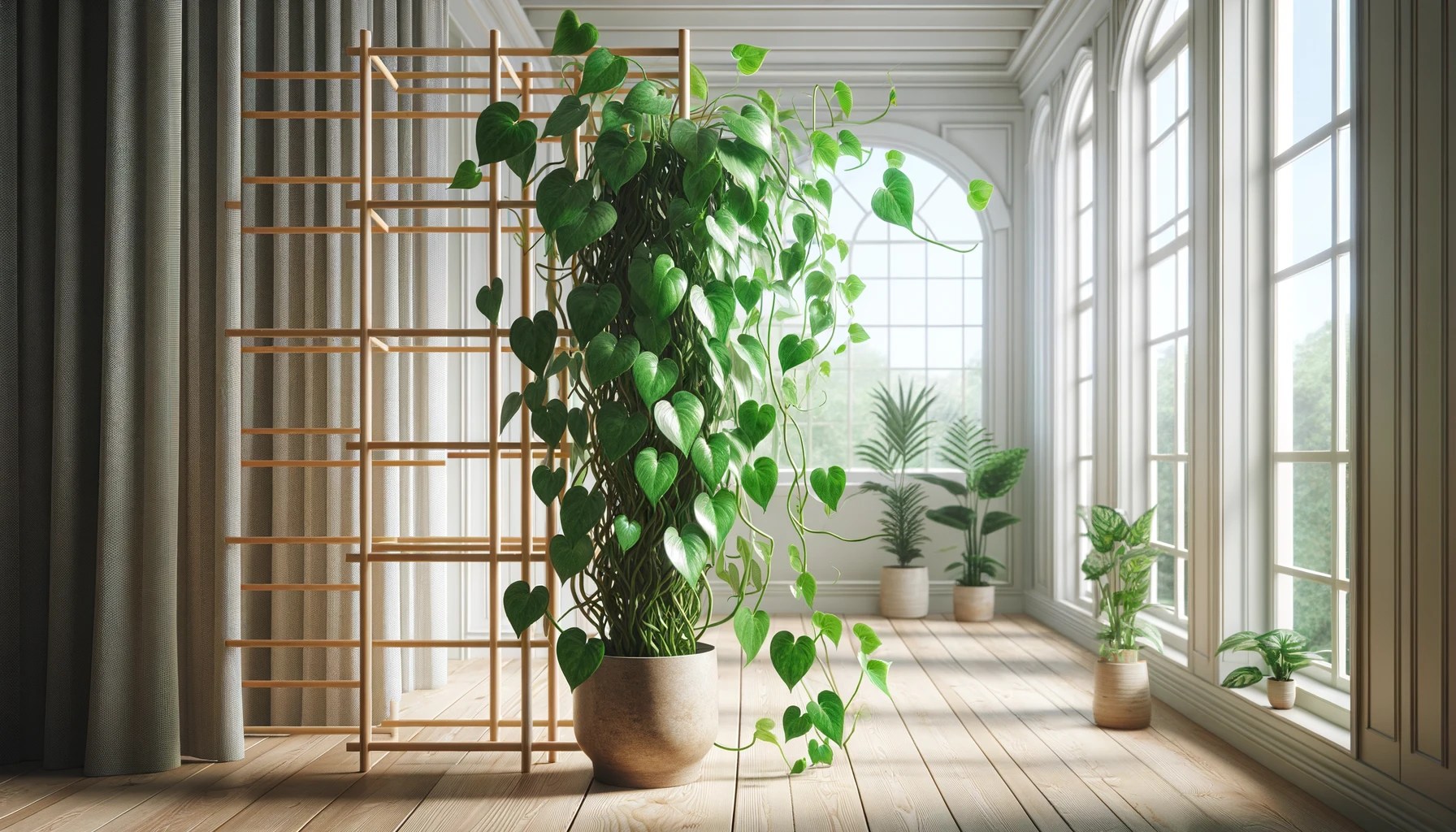
Plant Profile: Pothos, also known as Devil’s Ivy, is cherished for its heart-shaped leaves and cascading vines, making it a versatile addition to any indoor space. Originating from the Solomon Islands, this resilient plant is virtually foolproof, making it an excellent choice for beginner gardeners. Its ability to thrive in various light conditions and its air-purifying qualities make it a popular choice for homes and offices alike.
Light and Care Requirements: Pothos thrives in indirect light but can tolerate low light environments, making it adaptable to different lighting situations. Water when the top inch of soil feels dry, but be cautious not to overwater, as this can lead to root rot. With minimal attention, your Pothos plant will flourish and bring a touch of greenery to any room.
Propagation: Pothos (Epipremnum aureum) is commonly propagated through stem cuttings, a simple and effective method. To propagate, a healthy stem with at least 4-6 leaves is cut just below a node (the point on the stem where leaves emerge). Remove the lower leaves of the cutting. The cutting can then be placed either in water or directly into soil. If using water, the nodes should be submerged, and the container should be kept in indirect light; roots typically begin to develop within a few weeks. If planting directly into soil, the cutting should be planted in well-draining potting mix, ensuring the nodes are buried where roots and new shoots can develop. In both methods, maintaining a warm environment and regular watering will support the growth of a healthy new Pothos plant.
- For more information, see the article – Mastering Pothos Care, A Comprehensive Guide To Thriving Epipremnum Aureum
3. Spider Plant (Chlorophytum comosum)
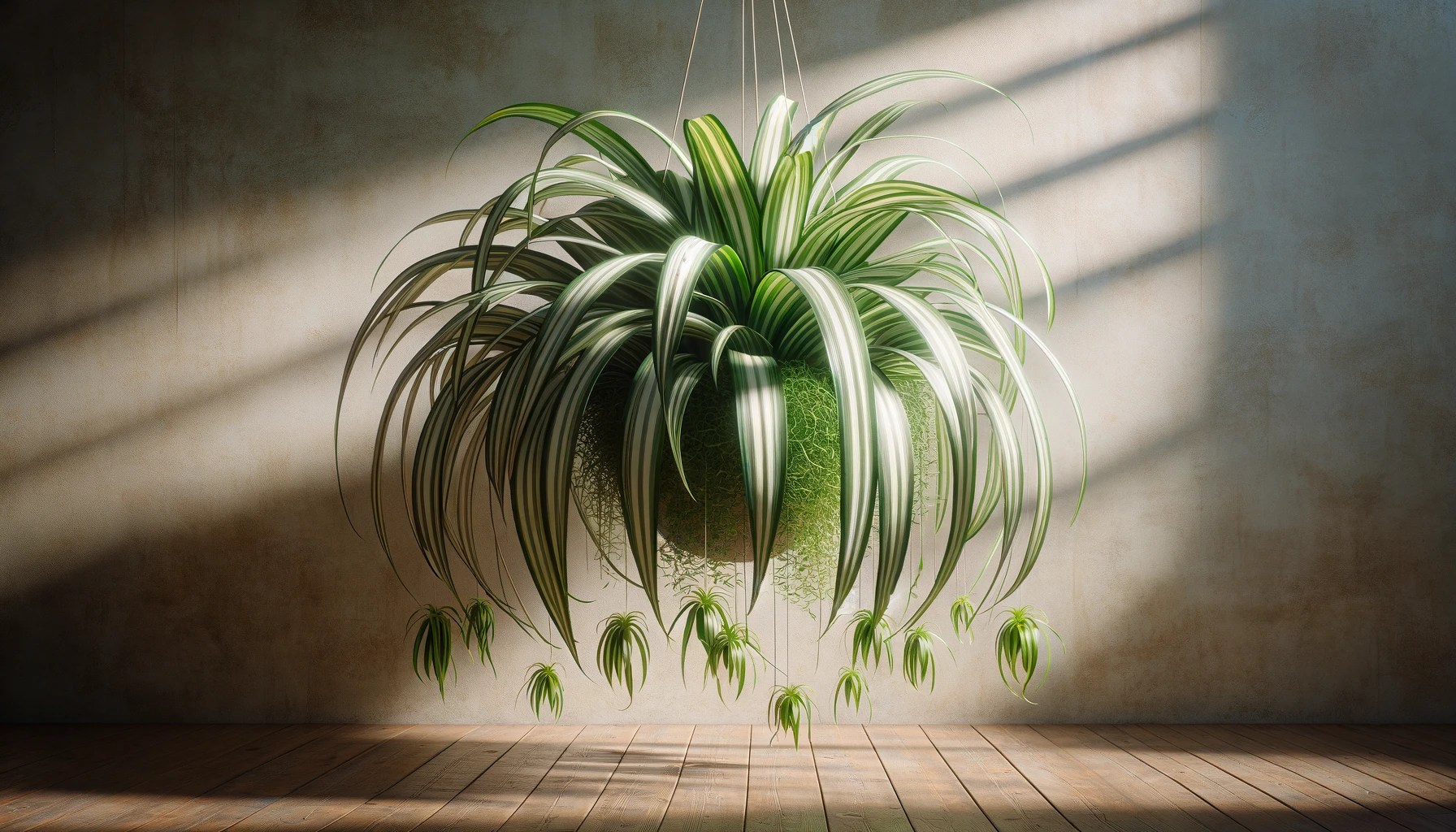
Plant Profile: With its arching leaves and miniature spider-like plantlets, the Spider Plant is as charming as it is resilient. Originating from South Africa, this plant is well-loved for its air-purifying qualities and ability to thrive in various conditions. Its adaptability and ease of care make it an excellent choice for beginner gardeners looking to add a touch of greenery to their home.
Light and Care Requirements: Spider plants prefer bright, indirect light but can tolerate lower light conditions. Keep the soil evenly moist, but avoid overwatering, as this can cause root rot. With its graceful foliage and easy care requirements, the Spider Plant is sure to become a favorite in your indoor garden.
Propagation: Spider Plant (Chlorophytum comosum) is typically propagated through its plantlets, which naturally form on long, trailing stems extending from the main plant. These stems produce small, spider-like plantlets at their ends, which can be easily rooted. To propagate, you can either leave the plantlets attached to the mother plant and place them in a pot of soil where they can take root, or you can snip off the plantlets and place them directly into water or soil to root independently. This makes propagation simple and effective, allowing for quick multiplication of your Spider Plant collection. The process is so efficient and user-friendly that it’s a popular choice for new and experienced gardeners alike.
- For more information, see the article – The Comprehensive Guide To Caring For The Spider Plant (Chlorophytum Comosum)
4. ZZ Plant (Zamioculcas zamiifolia)
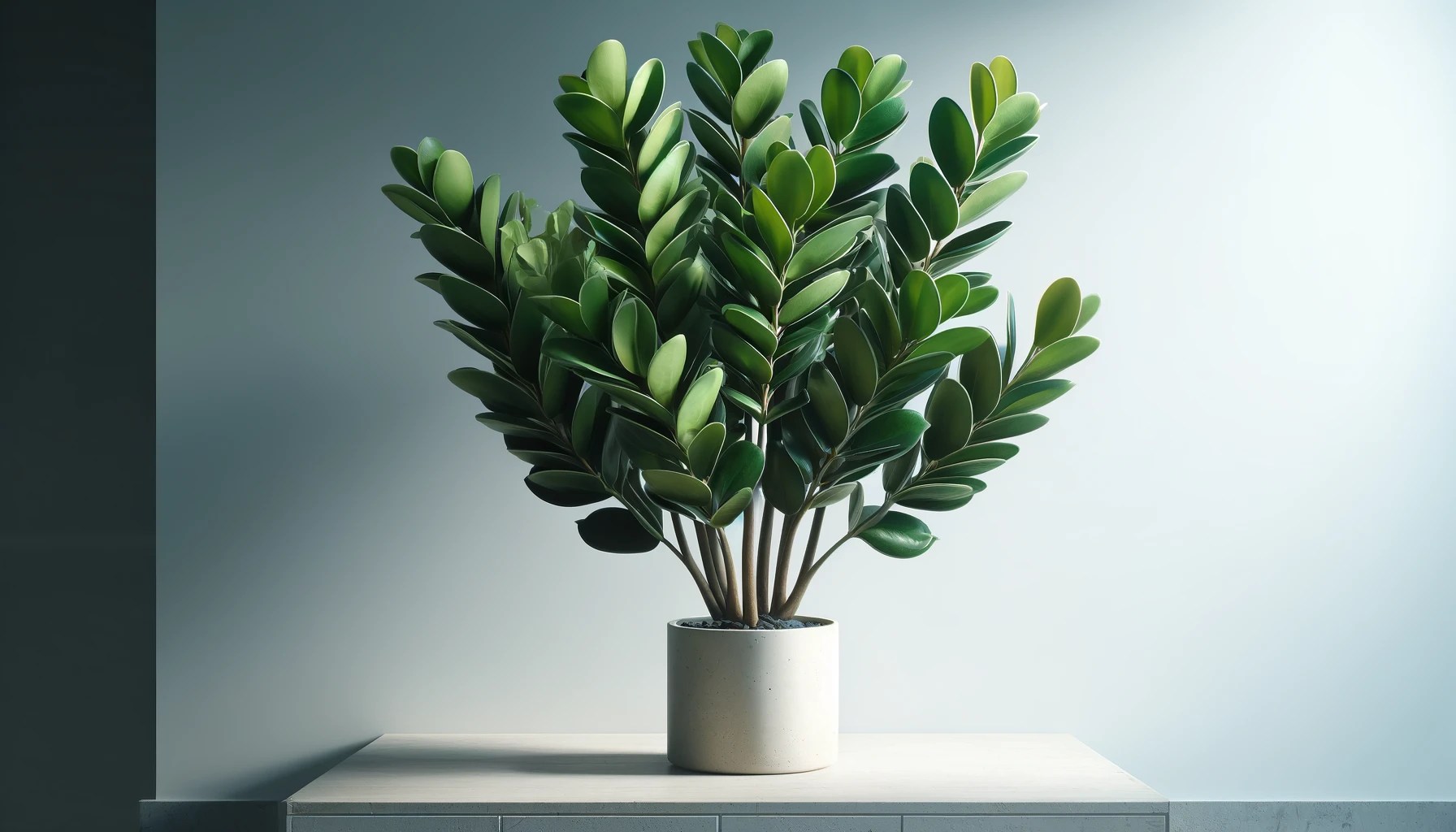
Plant Profile: The ZZ Plant, also known as Zanzibar Gem, with its glossy, dark green leaves, adds a touch of elegance to any indoor space. Native to Eastern Africa, this hardy plant is prized for its ability to thrive in low light conditions and withstand periods of neglect. Its unique appearance and low maintenance requirements make it an ideal choice for beginner gardeners.
Light and Care Requirements: ZZ plants prefer bright, indirect light but can also tolerate low light environments. Allow the soil to dry out completely between waterings, as ZZ plants are drought-tolerant and susceptible to root rot if overwatered. With its striking foliage and minimal care needs, the ZZ Plant is perfect for those looking to add a touch of greenery to their home with minimal effort.
Propagation: The ZZ Plant (Zamioculcas zamiifolia) is commonly propagated through division or leaf cuttings. To propagate by division, the root ball is carefully separated into smaller sections, each with a portion of the rhizome and leaves, and planted in well-draining soil. For leaf cuttings, a leaf is cut from the plant and placed either in water or directly into a moist, well-drained potting mix. The base of the leaf should be buried slightly in the soil or submerged in water, where it will eventually develop roots and a new rhizome. This process can be slow, often taking several months before signs of growth appear. Both methods are effective, but require patience and proper care to ensure successful propagation.
- For more information, see the article – The Ultimate Guide To ZZ Plant Or Zanzibar Gem (Zamioculcas Zamiifolia) Care
5. Peace Lily (Spathiphyllum)
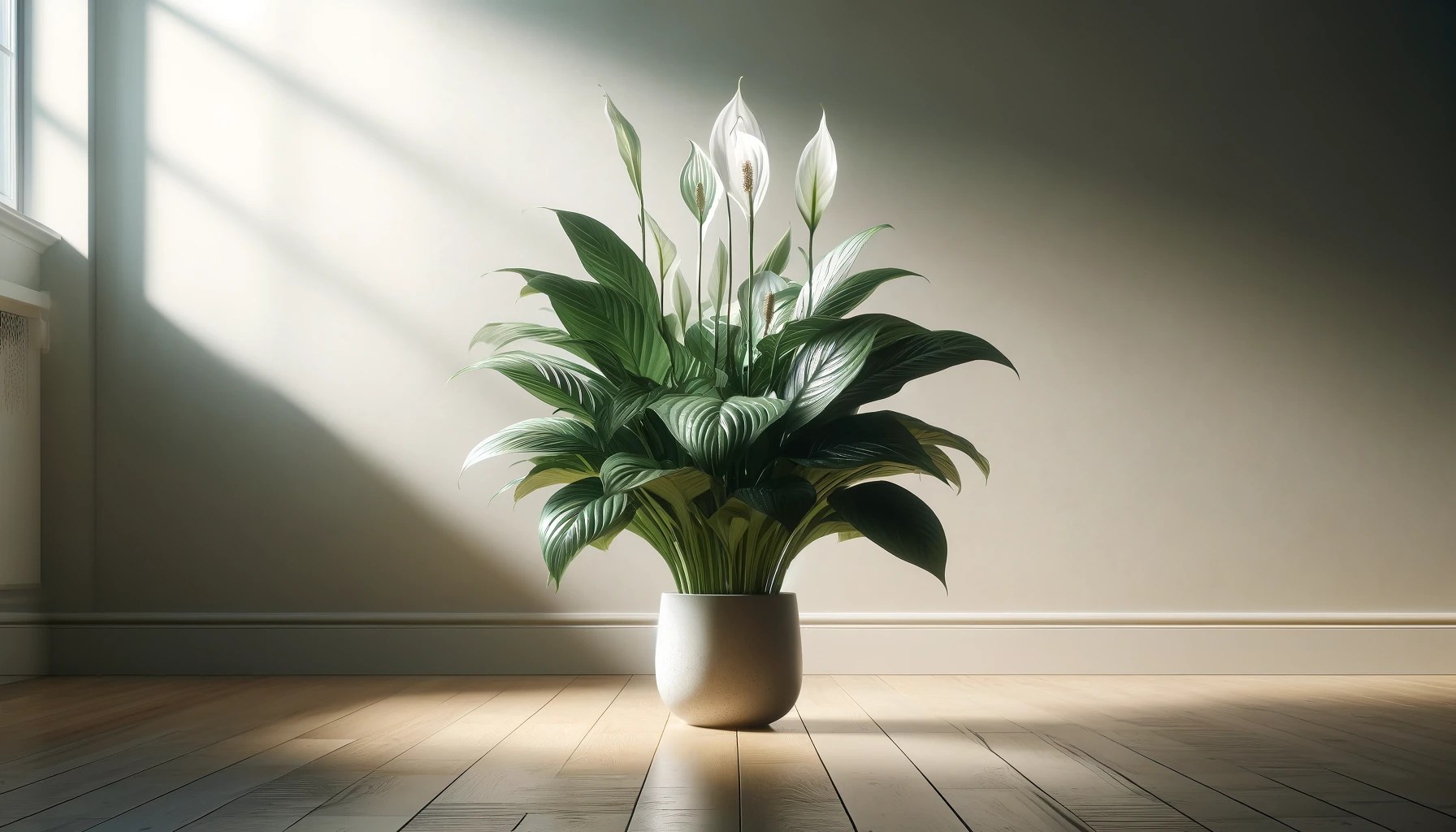
Plant Profile: The Peace Lily, with its graceful white flowers and lush green foliage, adds a touch of serenity to any indoor space. Originating from tropical regions of the Americas and Southeast Asia, this popular houseplant is prized for its air-purifying qualities and elegant appearance. Its ability to thrive in low light conditions and forgive occasional neglect makes it an excellent choice for beginner gardeners.
Light and Care Requirements: Peace Lilies prefer low to moderate indirect light and thrive in humid environments. Keep the soil consistently moist but not soggy, as overwatering can lead to root rot. With its beautiful blooms and easy care requirements, the Peace Lily is sure to brighten up any room in your home.
What makes Peace Lilies ideal plants for beginners is that they will visibly droop their leaves when they are not watered sufficiently. This drooping is a sign that the plant is dehydrated and in need of water. Once watered, the leaves typically perk up quickly, showing a rapid response to hydration. This is helpful for beginners to learn how often to water their indoor plants.
Propagation: Peace Lily (Spathiphyllum) is typically propagated through division, which is a straightforward and effective method. This involves gently removing the plant from its pot and carefully separating the root clump into smaller sections, ensuring that each new section has a portion of the root system and at least one or two leaves or shoots. The divisions are then planted in separate pots filled with a well-draining, peat-based potting mix. It’s essential to keep the newly potted plants in a warm environment with indirect light and maintain consistent moisture without overwatering. This method allows for rapid establishment and growth, making it popular for multiplying Peace Lilies efficiently.
- For more information, see the article – The Peace Lily (Spathiphyllum): A Comprehensive Care Guide
6. Aloe Vera
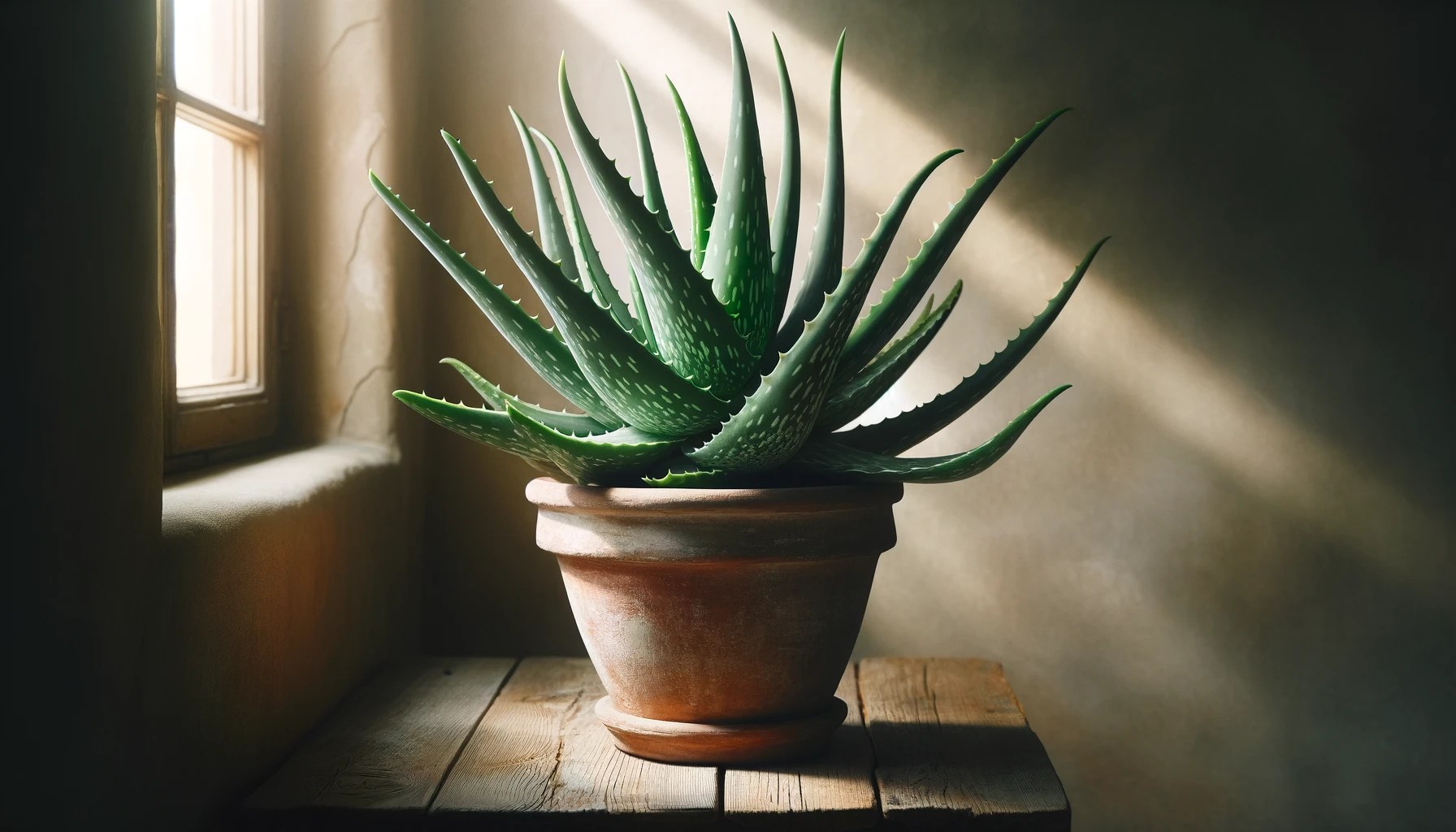
Plant Profile: Aloe Vera Barbadensis, commonly known as Aloe Vera, with its succulent leaves and medicinal properties, is both functional and decorative. Originating from the Arabian Peninsula, this versatile plant is prized for its ability to soothe sunburns and skin irritations. Its striking appearance and low maintenance requirements make it a popular choice for beginner gardeners.
Light and Care Requirements: Aloe Vera prefers bright, indirect light but can also tolerate some direct sunlight. Allow the soil to dry out completely between waterings, as Aloe Vera is drought-tolerant and susceptible to root rot if overwatered. With its useful properties and straightforward care needs, Aloe Vera is a must-have addition to any indoor garden.
Propagation: Aloe Vera is propagated primarily through the division of offsets (baby plants), also known as “pups,” which are small clones that grow from the base of the parent plant. These pups usually appear around the base of the plant when it is mature and healthy. Pups can be safely removed when they have several sets of leaves. To propagate, dig down a bit around the mother plant to find the point of attachment, and carefully separate the pups from the main root using a clean, sharp knife or scissors, ensuring each pup has some roots attached. Allow the cut surfaces to dry and callous over for a few days to prevent rotting when planted. Then, plant the pups in well-draining soil, ideally a cactus mix, and water lightly until they establish. In warmer climates, Aloe Vera flowers produce viable seeds, which can also be used to grow new plants.
- For more information, see the article – The Ultimate Guide to Caring for Aloe Vera: The Succulent of Wellness
In summary, these six houseplants, with their hardiness, aesthetic appeal, and low maintenance, are ideal for novice gardeners eager to develop their gardening skills. Whether it’s the elegant leaves of the Spider Plant or the bold look of the Snake Plant that catches your eye, there is a houseplant to match every preference and experience level. Given some care and attention, your indoor garden is sure to flourish, adding happiness and peace to your home for many years ahead.