

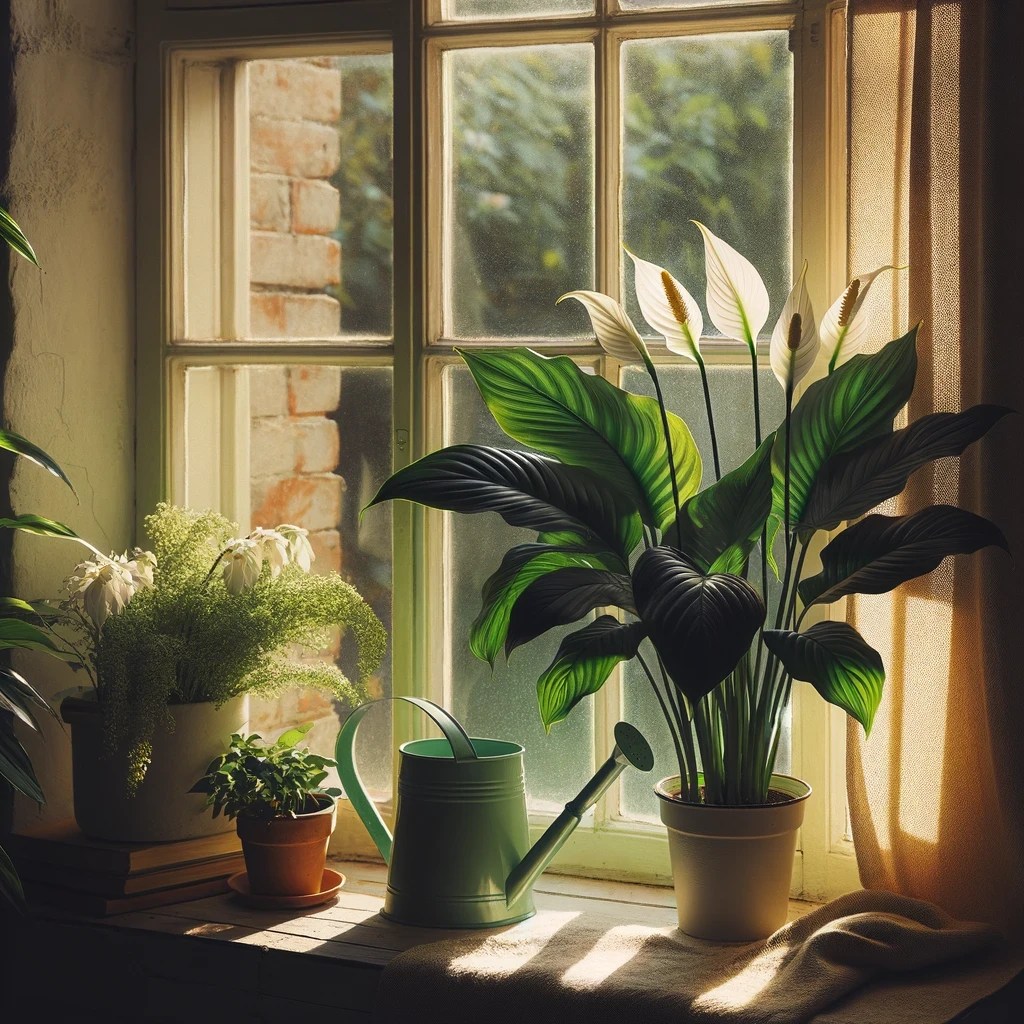
Embarking on a gardening journey doesn’t require a sprawling backyard or perfect weather; it can begin right in your own home with indoor plants. Ideal for beginners, indoor gardening offers a controlled, manageable, and rewarding way to cultivate a green thumb.
This comprehensive guide explores why starting with houseplants provides the perfect foundation for all aspiring gardeners, touching on both practical benefits and the enhancement of physical and emotional well-being.
Why Start with Indoor Plants?
Indoor plants make an excellent starting point for several compelling reasons:
Minimal Space Requirements
Unlike traditional gardening, which often requires a yard or large outdoor areas, indoor plants can thrive in much smaller spaces. This makes them ideal for apartment dwellers or those with limited outdoor space. A sunny windowsill, a small table, or even a shelf can provide sufficient space for a variety of houseplants.
Controlled Climate, Greater Success
One of the most significant advantages of starting with houseplants is the controlled indoor environment, which shelters your greenery from the extremes of weather and seasonal changes. Unlike outdoor gardening, where plants are at the mercy of unpredictable elements like frost or overheating, indoor gardening allows you to manage light exposure, temperature, and humidity to suit the specific needs of your plants. This control reduces the risk of plant ailments and failure, making it easier for beginners to maintain healthy plants and see them thrive, thereby boosting their confidence and enjoyment in gardening.
Fewer Pests
Indoor gardening generally means fewer pests, a common hurdle in outdoor gardening. While indoor plants can still attract pests like gnats or spider mites, these are typically less severe and easier to manage than the aphids, caterpillars, and other insects that often plague outdoor gardens. This reduced pest presence allows beginners to focus more on learning about plant care and less on combating infestations.
Low Maintenance, High Reward
Indoor gardening is often less demanding than its outdoor counterpart. Houseplants generally require less watering and are less susceptible to pests and diseases, and they do not require weeding. This low-maintenance aspect is particularly appealing to beginners, as it allows them to focus on learning about plant care essentials without the overwhelming chores associated with outdoor gardening. Indoor environments lack the intense heat and wind that can quickly dry out garden soils, further reducing the need for frequent watering and making plant care more manageable.
Observation and Learning
Having plants indoors means they are part of your daily life, allowing for regular monitoring and interaction. This proximity gives beginners a front-row seat to the subtle changes in their plants, providing valuable ongoing feedback essential for learning and adjustment. Such constant engagement helps novices quickly understand the needs of their plants and respond more effectively to signs of distress or growth. Starting with houseplants also provides a practical way to learn basic gardening principles such as watering, feeding, pruning, and repotting. These skills are transferable to outdoor gardening, making the transition easier for someone who might want to expand their gardening activities later on.
Health Benefits of Indoor Plants
The benefits of indoor gardening extend beyond the joy of growing. Houseplants can significantly improve air quality by removing toxins and increasing oxygen levels, leading to better respiratory health and overall vitality. Moreover, the act of caring for plants has been shown to reduce stress, alleviate anxiety, and boost overall mental and emotional well-being, making indoor gardening a wholesome and nurturing activity.
Physical Health Benefits
Houseplants purify the air by absorbing toxins and producing oxygen. Studies have shown that having plants in your home can reduce concentrations of carbon dioxide, benzene, and nitrogen dioxide, among others. This cleaner air contributes to better respiratory health and overall vitality, making gardening an activity that truly nurtures the gardener as well.
Mental and Emotional Well-being
Caring for houseplants can also be a therapeutic activity that enhances your mental and emotional well-being. The act of nurturing something alive provides a sense of satisfaction and accomplishment. Additionally, reconnecting with nature through plant care can reduce stress, alleviate symptoms of depression, and improve mood. The presence of greenery and the hands-on activity of tending to plants can also help reduce anxiety, making houseplants a wonderful companion for mental health.
Year-Round Gardening
One of the unique advantages of indoor plants is the ability to garden regardless of the season. This year-round capability not only beautifies your living space continuously but also provides a continuous learning and growing opportunity, which is particularly motivating for beginners eager to develop their gardening skills without interruption.
Reconnecting with Nature
In our fast-paced, technology-driven lives, houseplants offer a valuable connection to nature, which can be particularly soothing in urban settings. This connection is vital as it grounds us, reminds us of the natural world’s cycles, and enhances our appreciation for the nurturing aspects of the environment. For beginners, the simple act of caring for a plant can deepen their relationship with nature, encouraging a lifelong engagement with gardening.
In conclusion, indoor gardening serves not only as an accessible introduction to gardening but as a deeply rewarding and health-enhancing hobby. Whether you are a novice looking to start small or simply seeking to improve your indoor environment, beginning with houseplants provides a practical, enjoyable, and enriching way to cultivate your green thumb. Embrace the simplicity and control of indoor gardening and watch as your home and well-being transform through the power of plants.