
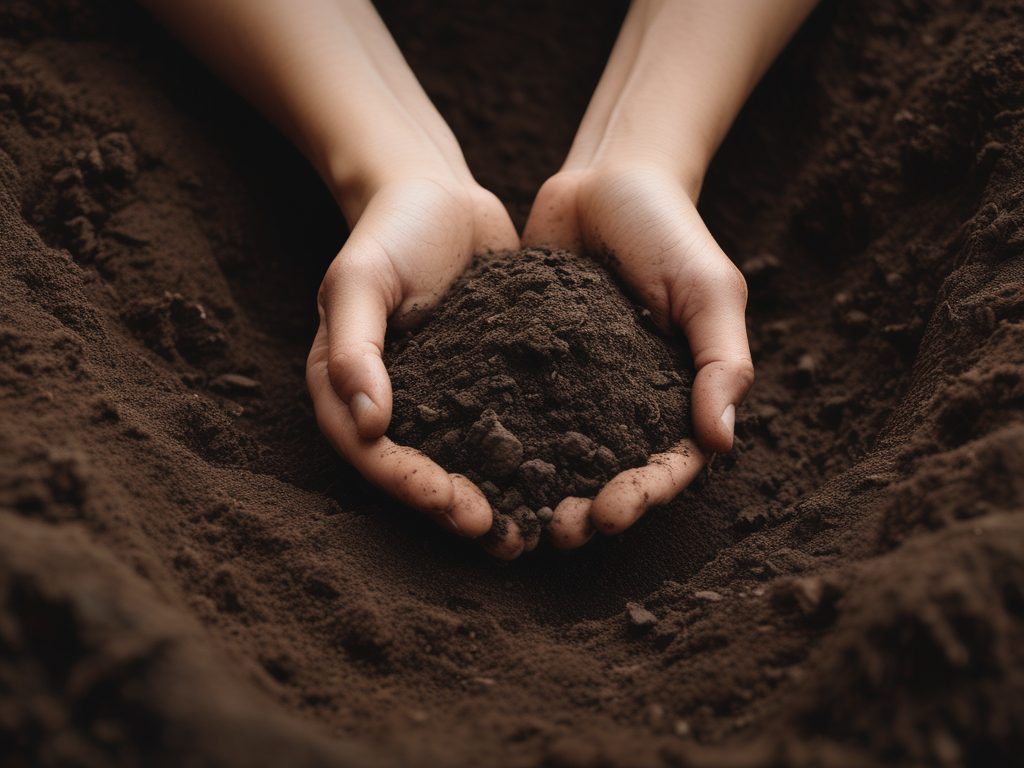

Soil aggregates are clusters of soil particles bound together by a combination of organic and inorganic materials, such as humus, clay, and various minerals. These aggregates range in size from microscopic granules to noticeable lumps and form the foundation of soil structure. The structure of soil, shaped by these aggregates, is crucial for fostering healthy plant growth. This article explores the formation, significance, and management of soil aggregates, delving into the science behind their role in maintaining plant health.
The Formation of Soil Aggregates
Soil aggregates result from the interplay of physical, chemical, and biological processes. Physically, soil particles are glued together by organic compounds like humus and the protein glomalin, which is secreted by mycorrhizal fungi. Electrostatic forces also contribute to the cohesion of these particles. Chemically, bonds between soil particles are formed through the presence of substances like calcium carbonate and iron oxides. Biologically, microorganisms, including bacteria and fungi, produce exopolysaccharides and other substances that act as natural adhesives, binding soil particles into aggregates.
The formation of soil aggregates is a dynamic process influenced by several key factors – including soil texture, organic matter content, and biological activity. Understanding these factors provides insight into how soil structure is built and maintained, directly affecting plant health and soil fertility.
1. Soil Texture
Soil texture refers to the relative proportion of different-sized mineral particles—sand, silt, and clay—in the soil. These particles vary significantly in size, with sand being the largest, followed by silt, and clay being the smallest. The texture of a soil determines its physical properties, such as water retention, drainage, and aeration, which in turn influence the formation of soil aggregates.
- Sandy Soils: Coarse-textured soils, such as sandy soils, have larger particles and tend to drain water quickly due to their large pore spaces. While these soils are less prone to compaction, they also tend to have lower organic matter content and less natural aggregation. Aggregation in sandy soils often requires higher organic matter inputs to bind the large particles together.
- Clayey Soils: Fine-textured soils, like clay, have very small particles that pack closely together, resulting in poor drainage and limited air circulation. However, clay particles are highly reactive due to their large surface area and electrical charge properties, which can promote aggregation when managed properly. Clay particles typically carry a negative electrical charge on their surfaces, which allows them to attract and hold positively charged ions (cations) such as calcium (Ca2+), magnesium (Mg2+), and potassium (K+). These cations act as bridges between negatively charged clay particles, effectively binding them together into aggregates. In clayey soils, the potential for strong aggregation exists, but the challenge lies in preventing compaction and ensuring that the aggregates remain stable.
- Loamy Soils: Loam is a balanced mixture of sand, silt, and clay, and is often considered ideal for agriculture due to its favorable texture. Loamy soils typically have good natural aggregation, with a structure that supports both water retention and drainage, making them particularly suitable for plant growth.
2. Organic Matter Content
Organic matter is a crucial component of soil, consisting of decomposed plant and animal residues, living organisms, and substances synthesized by soil organisms. The organic matter content in soil directly influences aggregate formation by acting as a binding agent that holds soil particles together. It is also a key source of nutrients for plants and microorganisms.
- Higher Organic Matter Content: Soils rich in organic matter generally exhibit better aggregation because decomposing organic material produces humus and other compounds that help glue soil particles into aggregates. This organic matter also enhances the soil’s ability to retain water and nutrients, further promoting healthy plant growth. In addition to providing physical structure, organic matter fuels the biological processes that drive aggregate formation.
- Lower Organic Matter Content: Soils with low organic matter are often less stable and more prone to erosion and compaction. Without sufficient organic matter, the soil lacks the necessary binding agents to form and maintain strong aggregates, resulting in a less favorable environment for plants and soil organisms.
3. Biological Activity
Biological activity in the soil refers to the presence and actions of living organisms, including plants, animals, and especially microorganisms like bacteria, fungi, and earthworms. These organisms play a vital role in the formation of soil aggregates through various processes.
Microbial Activity: Microorganisms, such as bacteria and fungi, are at the forefront of soil aggregation. They decompose organic matter, releasing sticky substances like exopolysaccharides that help bind soil particles together. Mycorrhizal fungi, in particular, produce a protein called glomalin, which is known to be a powerful soil binder and essential for aggregate stability. Microbial activity not only creates the physical structure of aggregates but also contributes to nutrient cycling, enhancing soil fertility.
Root Growth: Plant roots are essential to soil aggregation through both physical disruption and chemical interactions.
- As roots grow, they physically push through the soil, creating a network of channels that facilitates the organization of soil particles into aggregates. This movement not only helps structure the soil but also improves aeration, which is crucial for maintaining a healthy soil environment.
- When roots eventually decompose, they leave behind organic residues that boost the soil’s organic matter content. This organic matter serves as a vital energy source for soil microorganisms, further supporting the formation and stabilization of soil aggregates.
- In addition to these physical contributions, roots exude a variety of organic compounds into the surrounding soil. These exudates include simple sugars (like glucose), organic acids (such as citric and malic acids), and amino acids (like glutamic and aspartic acids). These compounds act as natural adhesives, binding soil particles together and promoting the formation of stable aggregates. By enhancing the interaction between soil particles and organic matter, these root exudates help create a cohesive soil structure that is better equipped to retain water and nutrients.
Through these combined physical and chemical processes, root growth significantly improves soil structure, making the soil more supportive of healthy plant growth. This synergy between root exudates and soil particles plays a crucial role in creating a stable, nutrient-rich environment that supports robust and sustainable plant development.
Soil Fauna: Larger soil organisms, such as earthworms, insects, and other fauna, play a crucial role in soil aggregation by burrowing and moving through the soil. This bioturbation (the disturbance and mixing of soil by living organisms, like earthworms or insects) helps to integrate organic matter into the soil and creates additional pore spaces, contributing to a well-structured and aerated soil environment. For instance, earthworms ingest both soil and organic matter, and their nutrient-rich castings are highly aggregated, significantly enhancing soil structure. Earthworms can move up to 40 tons of soil per acre each year in healthy, organic-rich soils. As they burrow, they create tunnels that improve soil aeration and water infiltration, while also bringing subsoil to the surface and mixing it with topsoil, further promoting a dynamic and fertile soil ecosystem.
Overall, the formation of soil aggregates is a complex and ongoing process that depends on the interplay between soil texture, organic matter, and biological activity. Soils with a balanced texture, high organic matter content, and vibrant biological activity tend to have the most stable and beneficial aggregates, providing a solid foundation for healthy plant growth. By managing these factors effectively, farmers and gardeners can promote strong soil structure, leading to more resilient and productive soils.
The Importance of Soil Aggregates for Plant Health
1. Enhancing Soil Structure
Soil aggregates contribute significantly to the overall structure of soil by creating a network of pores and channels. These spaces allow for efficient water infiltration and air movement, which are essential for preventing soil compaction and enabling roots to grow, breathe, and absorb nutrients effectively. Well-aggregated soils are characterized by their ability to maintain structural integrity while facilitating the movement of air and water to plant roots, which is vital for optimal growth.
2. Boosting Water and Nutrient Availability
Soil aggregates play a crucial role in enhancing both water retention and nutrient availability, which are essential for healthy plant growth. Aggregates trap water within their structure, holding it in small pore spaces that prevent it from draining away too quickly. This retained water is slowly released to plant roots, which is especially beneficial during periods of drought.
In addition to water, aggregates also help retain nutrients. The surfaces of soil aggregates, especially those containing organic matter and clay, possess negatively charged sites that can attract and hold onto positively charged essential nutrients like calcium (Ca²⁺), magnesium (Mg²⁺), potassium (K⁺), and ammonium (NH₄⁺). This nutrient retention capability is largely due to the soil’s cation exchange capacity (CEC)—a measure of the soil’s ability to hold and exchange cations (positively charged ions).
Soils with higher CEC, often rich in clay and organic matter, have more negative charges and thus a greater capacity to retain these essential nutrients. This process of nutrient adsorption onto the surfaces of soil particles within the aggregates ensures that nutrients remain in the root zone, making them readily available for uptake by plant roots.
Additionally, the aggregation of soil particles helps reduce the likelihood of nutrient leaching, where essential nutrients could otherwise be washed away from the root zone by water movement. By maintaining a high cation exchange capacity (CEC) and a stable aggregate structure, soils can retain and gradually release both water and nutrients, ensuring that plants have access to these critical resources over extended periods. This ability to act as a natural reservoir is vital for sustaining soil fertility and supporting robust plant growth, even under challenging environmental conditions.
3. Supporting a Healthy Soil Microbiome
The spaces within soil aggregates provide a habitat for a diverse array of beneficial microorganisms, including bacteria, fungi, actinomycetes, protozoa, and nematodes, each playing a unique role in maintaining soil health and fertility.
- Bacteria: These microorganisms are among the primary decomposers in soil, breaking down organic matter into simpler compounds and releasing essential nutrients such as nitrogen, phosphorus, and potassium, which plants can readily absorb. Bacteria are also involved in nutrient cycling processes like nitrification, where ammonia is converted to nitrate. Additionally, some bacteria produce sticky substances that help bind soil particles together, enhancing soil structure.
- Fungi: Mycorrhizal fungi form symbiotic relationships with plant roots, significantly extending the root’s reach into the soil and enhancing the plant’s ability to absorb water and nutrients, especially phosphorus. Decomposer fungi play a critical role in breaking down tough organic materials, such as cellulose and lignin, contributing to the formation of stable organic matter and improving soil structure by producing compounds that help bind soil particles into aggregates.
- Actinomycetes: These filamentous bacteria are crucial for decomposing complex organic substances like chitin and cellulose. They also produce antibiotics that suppress soil-borne pathogens, helping to protect plants from disease. Actinomycetes are particularly important in the formation of humus, which contributes to soil fertility and structure (Extension.org).
- Protozoa and Nematodes: These organisms feed on bacteria and fungi, playing a key role in nutrient cycling by releasing nutrients stored in microbial biomass back into the soil. This process ensures that plants have continuous access to essential nutrients. Nematodes also help distribute bacteria and fungi throughout the soil, which further enhances nutrient availability and soil health.
A rich soil microbiome contributes to plant health by enhancing nutrient cycling, improving soil structure, and protecting plants against diseases and pests. The symbiotic relationships between plant roots and soil microorganisms, such as mycorrhizal fungi, are essential for nutrient uptake and overall plant vigor. By fostering a diverse and active soil microbiome, soil aggregates help create a resilient and productive growing environment.
The Threats to Soil Aggregate Stability
Soil aggregate stability can be compromised by several factors, leading to decreased soil productivity and plant health. Soils with unstable aggregates, often found in clayey or loamy textures, are prone to issues such as poor air and water movement. Factors contributing to instability include high sodicity (excess sodium), low organic matter, low levels of soluble salts, and imbalanced calcium-to-magnesium ratios. These conditions can lead to the breakdown of soil structure, resulting in compaction, reduced porosity, and impaired root growth.
Excessive tillage and heavy machinery traffic can significantly disrupt soil structure, leading to the degradation of soil aggregates. These practices break apart soil aggregates, causing compaction, increased erosion, and reduced water infiltration. This destabilization of soil structure not only makes soil more vulnerable to erosion by wind and water but also severely impacts the soil’s ability to support healthy plant growth.
Additionally, tillage has a particularly detrimental effect on mycorrhizal fungi, which are crucial symbiotic partners for most plants. Mycorrhizal fungi form extensive networks of hyphae that connect with plant roots, enhancing the plant’s ability to absorb water and nutrients, especially phosphorus. When soil is tilled, these fungal networks are physically disrupted, reducing their ability to colonize plant roots effectively. This disruption leads to a decrease in the overall mycorrhizal population and can significantly diminish their beneficial effects on plant health. Over time, repeated tillage can reduce the diversity and abundance of mycorrhizal fungi, making plants more dependent on fertilizers and other inputs to meet their nutrient needs.
In contrast, reducing or eliminating tillage helps preserve these fungal networks, allowing them to thrive and continue their essential role in maintaining soil fertility and plant health. This is why practices like no-till or reduced-till agriculture are recommended for fostering a healthier soil ecosystem.
Processes Leading to Aggregate Breakdown
Soil aggregates, the clusters of soil particles bound together, are vulnerable to disintegration through processes such as slaking and dispersion. Understanding these processes is crucial for managing soil health and preventing degradation.
- Slaking occurs when dry soil aggregates are suddenly exposed to water. The rapid influx of water causes the air trapped inside the aggregates to expand, leading to their explosive breakdown. This process is especially prevalent in soils with low organic matter content, which lack the necessary organic “glue” to hold the particles together. Poorly structured soils and those with certain types of clay minerals are more prone to slaking. The result is a loss of soil structure, leading to compaction, reduced porosity, and impaired water infiltration. These conditions are particularly problematic in regions that experience sudden, intense rainfall, as the soils are often dry beforehand.
- Dispersion refers to the process where clay particles within soil aggregates become detached and spread throughout the soil, leading to the collapse of the soil structure. This is especially common in sodic soils, where high sodium content causes clay particles to repel each other, breaking down the bonds that hold them together. As these clay particles disperse, they can clog soil pores, leading to poor drainage, reduced aeration, and surface crusting. Over time, dispersion can lead to severe soil degradation, including increased erosion and a significant reduction in soil fertility.
Implications of Aggregate Breakdown
Both slaking and dispersion contribute to the loss of soil structure, which has several negative consequences for plant growth. Without stable aggregates, the soil becomes more compacted, making it difficult for roots to penetrate and reducing the soil’s ability to retain water and nutrients. This compaction can also lead to poor aeration, limiting oxygen availability to roots and soil microorganisms, which further impairs plant growth.
Additionally, the increased likelihood of erosion due to the breakdown of soil aggregates means that valuable topsoil and nutrients can be lost. Erosion not only removes the most fertile layer of soil but also contributes to sedimentation in waterways, which can have broader environmental impacts. The loss of soil structure and fertility due to aggregate breakdown ultimately degrades the soil’s productivity, making it less capable of supporting healthy and sustainable plant growth.
Preserving and Enhancing Soil Aggregate Stability
To maintain and enhance soil aggregate stability, and by extension, plant health, several practices can be adopted. These practices focus on minimizing soil disturbance, enriching organic matter, and managing soil chemistry effectively.
1. Incorporating Organic Matter
Adding organic matter to the soil is one of the most effective ways to enhance soil aggregate stability. Organic matter, such as compost, mulch, and plant residues from cover crops, acts as a natural binder for soil particles, helping to form and stabilize aggregates. It also improves soil fertility and water retention by increasing the soil’s capacity to hold nutrients and moisture. Organic matter supports the growth of beneficial soil microorganisms, which further contribute to soil structure by producing substances that help bind soil particles together.
2. Minimizing Tillage
No-till or low-till practices are essential for preserving the natural structure of soil aggregates by reducing physical disturbance. Traditional tillage disrupts soil structure, breaking up aggregates and damaging the networks of roots and mycorrhizal fungi that help bind soil particles together. In contrast, no-till systems leave the soil undisturbed, allowing these natural processes to strengthen the soil structure over time. By keeping the soil surface covered with crop residues and minimizing soil disturbance, no-till practices also help retain soil moisture, reduce erosion, and protect the habitat of beneficial soil organisms, such as earthworms and mycorrhizal fungi.
3. Planting Cover Crops
Cover crops, such as rye, clover, vetch, and radishes, are plants grown primarily to benefit the soil rather than for harvest. These crops are integral to maintaining and improving soil health, particularly during periods when main cash crops are not in the ground.
- Enhancing Soil Structure and Stability: Cover crops play a critical role in enhancing soil aggregate stability by adding organic matter through their roots and residues. Their root systems help to stabilize the soil, reduce erosion, and improve water infiltration. By keeping the soil covered, they protect it from wind and water erosion, and their roots create channels that improve soil aeration and water movement.
- Nutrient Cycling: Cover crops also contribute significantly to nutrient cycling. Nitrogen-fixing legumes such as clover and hairy vetch establish symbiotic relationships with rhizobia bacteria, converting atmospheric nitrogen into a usable form for plants. This nitrogen is then released into the soil as the cover crop decomposes, providing an essential nutrient boost for the next crop. Non-leguminous cover crops, such as rye, are effective at scavenging leftover nitrogen from the soil, preventing nutrient loss through leaching, and holding it until the next planting season.
- Biodiversity and Soil Health: Beyond nutrient management, cover crops promote biodiversity by supporting a wide range of soil organisms, including beneficial bacteria, fungi, and earthworms. This biodiversity further enhances soil structure and nutrient availability, creating a robust and resilient soil ecosystem.
- End-of-Season Management: At the end of the growing season, cover crops are typically terminated (killed or removed) to prepare the field for the next cash crop. This can be done by mowing (cutting the plants down), rolling (flattening the plants), or using herbicides (chemical sprays that kill the plants, which is environmentally harmful!) The crop residues are then either incorporated into the soil (mixed into the soil where they decompose) or left on the surface as mulch (a protective layer that covers the soil). Incorporating the cover crop residues into the soil accelerates their decomposition, releasing the stored nutrients—particularly nitrogen—back into the soil, enhancing fertility and supporting the growth of the subsequent crop.
By strategically using cover crops, farmers can improve soil health, reduce dependency on chemical fertilizers, and increase overall farm sustainability
4. Managing Soil Chemistry
Maintaining a balanced calcium-to-magnesium ratio is crucial for soil structure and aggregate stability. An unbalanced ratio, particularly an excess of magnesium relative to calcium, can lead to soil dispersion, where clay particles separate and cause the collapse of soil aggregates. This imbalance makes the soil more prone to compaction and erosion. Calcium helps to flocculate (bind together) clay particles, which is essential for the formation of stable aggregates. Solutions for managing soil chemistry include liming acidic soils to increase calcium levels and applying gypsum (calcium sulfate) to sodic soils. Gypsum helps displace sodium ions with calcium, improving soil structure and preventing dispersion.
By adopting these practices, farmers and gardeners can significantly improve soil health and enhance the stability of soil aggregates, leading to more sustainable and productive agricultural systems. These strategies help maintain the physical, chemical, and biological balance necessary for healthy soil
Conclusion
Soil aggregates are the cornerstone of soil health, directly influencing water management, aeration, nutrient retention, and overall soil stability—factors that are essential for robust plant growth and productivity. By incorporating organic matter, minimizing tillage, planting cover crops, and managing soil chemistry, we can actively enhance soil aggregation and create a sustainable environment where plants can thrive. Understanding and nurturing these fundamental units of soil structure is not just beneficial but essential for sustainable agriculture and the long-term health of our ecosystems.
Through these mindful management practices, farmers and gardeners can ensure that their soils remain fertile, resilient, and capable of supporting healthy plant growth for generations to come.
References
- Blanco-Canqui, H., Claassen, M. M., & Stone, L. R. (2011). Cover Crops, Soil Quality, and Ecosystem Services—A Review. Agronomy Journal, 103(1), 1–21. doi:10.2134/agronj2010.0425
- Extension.org. (n.d.). Soil Aggregates and Their Importance in Soil Health. Retrieved from https://www.extension.org/pages/69012/soil-aggregates-and-their-importance-in-soil-health
- Rengasamy, P. (2010). Soil processes affecting crop production in sodic soils. Functional Plant Biology, 37(7), 633–668. doi:10.1071/FP09249
- Pesini, G., Ferreira de Almeida, T., & Basche, A. (2023). Influence of Cover Crop Species and Termination Time on N Release. CropWatch – University of Nebraska–Lincoln Extension. Retrieved from https://cropwatch.unl.edu/influence-cover-crop-species-and-termination-time-n-release
- SARE. (n.d.). 10 Ways Cover Crops Enhance Soil Health. Sustainable Agriculture Research and Education. Retrieved from https://www.sare.org/publications/manage-your-cover-crops/10-ways-cover-crops-enhance-soil-health/
- USDA-NRCS. (n.d.). Managing Soil Health: Concepts and Practices. Retrieved from https://www.nrcs.usda.gov/resources/guides-and-instructions/soil-health-concepts-and-practices
- Agriculture Victoria. (n.d.). Aggregate Slaking and Clay Dispersion. Victorian Resources Online. Retrieved from http://vro.agriculture.vic.gov.au/dpi/vro/vrosite.nsf/pages/soilhealth_agg_slaking
- Pennsylvania State University Extension. (2017). Managing Soil Health: Concepts and Practices. Retrieved from https://extension.psu.edu/managing-soil-health-concepts-and-practices



Great article! Do you have a plan to give a workshop on how backyard gardeners can cultivate healthy soil?