


Overview
- Name: Tomato
- Botanical Name: Solanum lycopersicum
- Plant Family: Solanaceae (Nightshade Family)
- Native to: South America
Description
Tomatoes are among the most popular crops cultivated in gardens worldwide. Although commonly treated as an annual plant, tomatoes are botanically perennial in their native tropical and subtropical regions. However, in most temperate climates, they are grown as annuals due to their sensitivity to frost. Tomato plants generally can range in height from 0.6 to 2 meters (2 to 6 feet), depending on the variety and growing conditions.
The tomato plant has a strong, herbaceous (non-woody) stem that can either stand upright in determinate varieties, or develop into a vining form in indeterminate varieties. The stems are typically covered in fine hairs that can root when they come into contact with the soil. The leaves are compound, pinnately lobed, and alternately arranged along the stem, with a slightly fuzzy texture due to the presence of fine hairs known as glandular trichomes. These trichomes secrete compounds that can deter herbivores and also give tomato plant their distinct “tomato smell” when brushed against them.
Tomato flowers are small, yellow, and borne in clusters known as inflorescences. Each flower has five pointed petals and a central pistil (female reproductive part of a flower) surrounded by multiple stamens (male reproductive part of a flower that produces pollen). The flowers are typically self-pollinating, and movement such as that produced by the wind slightly shaking the flowers helps pollination, although cross-pollination by insects can occur, particularly in certain heirloom varieties.
The fruit of the tomato plant, botanically classified as a berry, varies widely in size, shape, and color, with cultivars ranging from tiny cherry tomatoes to large beefsteak types. The fruit is fleshy, contains numerous seeds, and develops from the ovary of the flower. The outer skin of the tomato is smooth and typically red when ripe, although other colors such as yellow, orange, green, and purple are also common depending on the variety. The internal structure of the fruit includes locules, or seed cavities, which are filled with a gelatinous matrix that houses the seeds.
Tomato plants can be categorized into two growth habits: determinate and indeterminate.
- Determinate varieties, also known as “bush” tomatoes, grow to a fixed height, after which they cease to grow taller and concentrate on fruit production. These plants are typically more compact and produce a single large harvest over a short period.
- Indeterminate varieties, on the other hand, continue to grow and produce fruit throughout the growing season until killed by frost. These plants have a vining habit and can reach considerable heights, requiring staking or trellising for support.
Interesting Facts
- When tomatoes were first introduced in Europe, they were initially believed to be poisonous, likely due to their similarity to the deadly nightshade plant. This belief persisted for centuries, particularly among the upper classes, who avoided them for fear of being poisoned.
- The tomato plant belongs to the Solanaceae family, commonly known as the nightshade family, which also includes edible species such as potatoes, eggplants, and peppers as well as toxic species such as deadly nightshade, henbane, jimsonweed, angel’s trumpet and tobacco, further contributing to the early suspicion of tomatoes.
- They are rich in lycopene, an antioxidant that has been linked to many health benefits, including a reduced risk of heart disease and certain types of cancer. Lycopene is particularly abundant in cooked tomatoes, such as in sauces, where its bioavailability is enhanced.
- Tomatoes are incredibly versatile in culinary uses, featuring in almost every cuisine in the world, from Italian pasta sauces to Indian curries. Their ability to adapt to various cooking methods—roasting, frying, stewing, or eating raw—makes them a staple in kitchens globally.
- Tomatoes have a unique trait known as “vining indeterminacy,” which allows some varieties to continue growing and producing fruit indefinitely as long as the growing conditions are favorable. In tropical and subtropical climates, where frost is absent and temperatures remain warm year-round, these indeterminate tomato plants can grow as perennials, providing a continuous harvest throughout the season and effectively living for multiple years.
- Botanically, tomatoes are considered a fruit, but they were legally classified as vegetables by the U.S. Supreme Court in 1893 for tax purposes.
Determinate vs. Indeterminate Tomato Plants
Tomato plants are categorized into two primary growth habits: determinate and indeterminate. Understanding these two tomato types is essential for successful cultivation, as each has unique characteristics that influence growth, fruiting, management practices, and overall yield.
1. Determinate Tomato Plants
Botanical Differences
Determinate tomato plants, often referred to as “bush” tomatoes, have a genetically predetermined growth limit. The terminal shoot (branch end) of a determinate plant ends in a flower cluster, which stops further vertical growth. This leads to a compact, bushy form, typically growing to a height of 0.6 to 1.2 meters (2 to 4 feet). The limited growth allows the plant to focus its energy on developing fruit rather than extending its vine. Determinate tomatoes are usually early varieties.
Fruiting Patterns
The fruiting cycle of determinate tomatoes is relatively short and synchronized. All the flowers tend to set fruit around the same time, leading to a concentrated harvest period. Typically, the majority of the fruit matures within a 2 to 3-week window. This characteristic makes determinate varieties ideal for growers who want a large harvest all at once, which is particularly useful for processing and canning.
Management and Cultivation Practices
Management of determinate tomatoes is generally straightforward due to their compact growth habit. These plants require minimal pruning, and excessive pruning can reduce fruit yield. However, light pruning can improve air circulation around the plant, reducing the risk of fungal diseases. Although they are less likely to need extensive support structures, using stakes or cages can help keep the fruit off the ground, preventing rot and pest issues. For fertilization, determinate tomatoes benefit from a balanced fertilizer, with similar amounts of nitrogen (N), phosphorus (P) and potassium (K) once fruiting begins, rather than one high in nitrogen which would promote vegetative (leaf and stem) growth at the expense of fruit. Consistent watering is crucial, especially during fruit set and development, to prevent common issues such as blossom-end rot.
Disease and Pest Management
Due to their shorter lifecycle and concentrated fruiting period, determinate tomatoes may have a reduced exposure to late-season diseases and pests. However, they are still susceptible to common tomato issues such as blight, wilt, and pests like aphids and tomato hornworms. Effective management practices include crop rotation, proper spacing to enhance air circulation, and regular monitoring for early signs of disease or pest activity. In cases where intervention is necessary to control pests, environmentally-safe organic chemical controls can be employed.
Yield and Productivity
The yield of determinate tomato plants is concentrated, with most of the fruit maturing simultaneously. While this results in a large, single harvest, it also means that the total fruit production may be lower compared to indeterminate varieties. Nevertheless, the substantial harvest within a short period can be advantageous for those looking to process or store a large quantity of tomatoes at once.
2. Indeterminate Tomato Plants
Botanical Differences
Indeterminate tomato plants, unlike their determinate counterparts, continue to grow and produce new shoots throughout the growing season. This results in a vining habit, with plants often exceeding 2 meters (6 feet) in height. The continuous growth is driven by a vegetative meristem (growing tip) that does not terminate in a flower cluster, allowing the plant to keep producing new foliage and fruit over an extended period.
Fruiting Patterns
Indeterminate tomatoes exhibit a prolonged fruiting cycle, producing fruit continuously from the first set until the plant is killed by frost or disease. This extended fruiting period can last several months, providing a steady supply of tomatoes. This makes indeterminate varieties particularly well-suited for fresh consumption, as they offer a consistent yield over time rather than a single, concentrated harvest.
Management and Cultivation Practices
Due to their vigorous growth habit, indeterminate tomatoes require more intensive management. Regular pruning is necessary to remove suckers—the shoots that develop in the axils between the leaf and stem—to prevent the plant from becoming overly bushy and to direct energy towards fruit production. Sturdy support systems, such as trellises, stakes, or cages, are essential to keep the plants upright and manageable. Indeterminate tomatoes also require a continuous supply of nutrients throughout the growing season, given their extended growth and fruiting periods. A slow-release fertilizer or regular feeding with a balanced NPK (Nitrogen, Phosphorus, Potassium) ratio is recommended. Consistent watering is crucial to maintain soil moisture and support the plant’s ongoing growth and fruiting.
Disease and Pest Management
The prolonged growing season of indeterminate tomatoes increases their exposure to diseases and pests. The continuous production of new growth makes them more susceptible to issues like late blight and other fungal diseases. Preventive measures, such as the use of disease-resistant varieties, mulching to retain soil moisture and reduce splash-back of soil-borne pathogens, and proper irrigation practices, are essential. Regular pruning and adequate spacing further reduce the risk of disease by improving air circulation around the plants. Monitoring for pests is also crucial, as the extended season gives pests more opportunities to infest the plants.
Yield and Productivity
Indeterminate tomato plants generally produce a higher overall yield than determinate varieties, due to their extended fruiting period. However, this yield is spread out over several months, which can be beneficial for those who prefer a steady supply of fresh tomatoes rather than a large, single harvest. The continuous harvest requires more attention and care throughout the season, but it also provides the advantage of fresh produce over a longer period.
Basic Growing Information
Tomatoes are a warm-season crop that flourishes in temperatures ranging from 20–30°C (68–86°F), with the optimal growing temperature being around 24–26°C (75–79°F). They require consistently warm soil and air temperatures to develop properly, making them ideal for planting after the last frost in late spring or early summer.
Tomatoes are highly sensitive to cold, and exposure to temperatures below 13°C (55°F) can hinder their growth, flowering, and fruit set. In regions with short growing seasons or cooler climates, starting tomato seeds indoors 6-8 weeks before the last frost date and then transplanting them outdoors can help ensure a proper harvest. Tomatoes also require full sun, at least 6-8 hours per day, for optimal growth and fruit production.
- Sun Requirements: Full sun
- Water Requirements: Moderate to high
- Soil Types and Properties: Rich, well-draining loam
- Soil pH: 6.0 – 6.8
- Pot Size for Container Growing: 30-40cm pot, 20cm pot for cherry varieties
Planting
- Best Time to Plant:
- Climates with freezing winters: Start seeds indoors 6-8 weeks before the last frost date. Transplant outdoors after all danger of frost has passed and soil temperatures are above 15°C (60°F).
- Climates with milder winters: Can be sown directly outdoors or started indoors and transplanted as preferred.
Note: Check gardening calendars for the best planting times in your location
- Spacing: Plant seedlings 45-60 cm (18-24 inches) apart in rows spaced 75-100 cm (30-40 inches) apart.
- Seed Sowing Method: Start indoors in seed trays or pots.
- Seed Sowing Depth: 0.5 cm (1/4 inches)
- Time to Harvest: 8-17 weeks when planted from seed, depending on the variety.
- Mature Height/Spread: Varies widely between 0.9-2.4 meters (3-8 feet) tall, depending on type.
- Grown From: Seeds
Should Tomatoes Be Planted Deeper in the Soil?
Unlike most plants, which need to be planted at the same soil depth as they were in their pots, tomatoes benefit from being planted deeper in the soil than they were in their containers. When transplanting tomatoes, place them in the ground so that the soil covers the stem up to just below the lowest set of leaves.
This practice encourages roots to develop along the portion of the stem that is buried. Tomatoes have a unique ability to form roots from their stem tissue, a process known as adventitious rooting. By planting them deeper, they develop a stronger, more extensive root system, which reaches deeper into the ground, allowing the plant to absorb more nutrients and water, supporting faster growth, and makes the plant more resilient to wind, heat and other environmental stresses.
How to Start Seeds Indoors: A Quick Step-by-Step Guide
Starting seeds of warm season crops indoors, earlier in the season, while it’s still too cold to plant outside, provides plants with a head start, allowing them to develop into larger, stronger, and more resilient seedlings before being transplanted outdoors where they will face variable and challenging environmental conditions.
To ensure a successful start to the gardening season, follow these steps to start seeds indoors.
- Prepare Containers and Soil: Use seed trays, pots, or any small container with drainage holes. Fill them with a sterile, well-draining seed-starting mix or fine potting mix (sift the big pieces out of potting mix with a small garden sieve).
- Sow the Seeds: Plant seeds about 0.5 cm (1/4 inch) deep in the soil. Cover them lightly with the mix and very gently press down.
- Watering: Water the soil gently to keep it evenly moist but not waterlogged. A spray bottle or small watering can with a fine watering rose works well for this.
- Cover the Tray: Cover the seed tray with plastic wrap, a clear plastic lid, or a humidity dome to retain moisture and create a warm, humid environment to help speed up germination.
- Provide Warmth: To encourage germination (sprouting), place the covered containers on a heating mat to keep the flat (seedling tray) at 24-29°C (75-85°F), or on the warm top of an appliance such as a fridge, until seedlings emerge. Carefully monitor the moisture of the growing medium, as heating mats will dry the mix out faster. After the seedlings emerge, a soil temperature of 21°C (70°F) is best. Warm soil is better than cool.
- Light: Once the seeds germinate (usually within 7-14 days), remove the cover and move the seedlings to a location where they receive 12-16 hours of light daily. If natural light is insufficient, use fluorescent or LED grow lights placed about 5-10 cm (2-4 inches) above the plants.
- Maintain Moisture and Temperature: Keep the soil moist and maintain a warm environment (around 21°C or 70°F) until the seedlings are ready to be transplanted.
- Thinning: Once the seedlings have two sets of true leaves (leaves resembling those of the parent plant, and not the differently shaped pair of dicot leaves that first emerge), they can be transplanted into pots of their own. If growing the seedlings in pots, thin them out by removing the weaker plants, leaving one strong seedling per pot.
- Hardening Off: Before transplanting outdoors, gradually acclimatize the seedlings to outdoor conditions over a week or two by exposing them to increasing amounts of sunlight and cooler temperatures.
Avoid transplanting seedlings too early, as exposure to cold soil and air temperatures can stress young plants. Wait at least one to two weeks after the last expected frost date, and ensure nighttime temperatures are consistently above 7°C (45°F). Transplanting when temperatures are too low can slow growth and increase the risk of damage or plant loss.
Care and Maintenance
- Watering Tips: Water deeply at least once a week, more frequently in hot weather. Avoid overhead watering in the evening to reduce risk of fungal diseases.
- Fertilization: Apply a balanced fertilizer at planting time and then side-dress with fertilizer every two months through the growing season to encourage blooming and fruiting.
- Pruning: For indeterminate varieties, prune for air circulation and better fruit production. Remove suckers (additional branches) and limit to one or two main stems. Remove any leaves that are close to the ground to help prevent blight infection. On determinate cultivars, no pruning is needed.
- Support: Use stakes, trellises, or cages to support plants and keep fruit off the ground.
How to Stake and Support Tomato Plants
Tall growing indeterminate tomato varieties require some form of support is required to keep plants off the ground, make fruit easier to harvest, reduce disease, and improve airflow. Outlined below are some common methods to stake and support your tomatoes:
1. Staking
Staking tomato plants is a straightforward method using wooden or metal stakes. Use stakes 38-50 mm (1.5–2 inches) wide and at least 2 meters (6–8 feet) tall. Insert them 30 cm (1 foot) deep into the soil or deeper depending on the soil and wind, about 10–15 cm (4–6 inches) from each plant, soon after transplanting. Tie the main stem to the stake loosely using twine or strips of cloth in a figure-eight pattern, ensuring the stem has room to grow.
2. Growing on a String
Another method used extensively in hydroponic growing systems is to use vertical strings to support plants. To do this, place a sturdy pole in the ground every four meters, attach two wires horizontally across the top and bottom, one running at 15cm above the ground, and the other at the 2m level. Behind each tomato plant, tie a fairly strong string vertically from the top wire to the bottom wire. As the plants grow, carefully twist their stems around the strings to provide support.
2. Trellising Using the Florida Weave (Stake-and-Weave) System
This method works well for rows of tomato plants. Place 1.8m (6-foot) stakes between every two to three plants. Loop twine around each stake, running it along both sides of the plants to catch the plants between the twine loops to create support. As the plants grow taller, add additional rows of twine around 30 cm (1 foot) apart to support the additional height. This system is efficient for supporting multiple plants while maintaining airflow.

3. Caging
Wire cages allow tomatoes to grow naturally while being fully supported from all sides. Use cages made from sturdy wire mesh with openings of at least 15 cm (6 inches) for easy harvesting. Place cages over plants at transplanting and secure them into place with stakes, heavy irrigation pins, or by anchoring them 20–30 cm (8–12 inches) into the soil to prevent the wind blowing them over. Space cages around 1.2m (4-feet) apart for easier access.
Caged tomatoes tend to be more productive because their suckers do not need to be removed, allowing the plants to grow naturally. The dense foliage provides greater cover, reducing the risk of sunscald on the fruits. However, a significant drawback is that fruits may ripen more slowly due to the heavier fruit load that caging encourages. Despite this, caged tomato plants require less maintenance overall, as pruning is not necessary. Simply push any shoots growing through the mesh gently back into the cage to keep things tidy.
In terms of cost, cages are more expensive initially, but will last many years, offsetting the cost. Tomato cages are available in various sizes from garden centers and hardware stores. They can also be constructed from sturdy galvanized wire mesh or concrete reinforcement wire, rolled into a cylinder and secured to shape with galvanized wire. A common DIY size is around 55–60 cm (22–24 inches) in diameter, which accommodates most indeterminate tomato plants.
The length of mesh required is a little more than three times the intended diameter. The mathematical relationship between the diameter (d) of a cylinder and its circumference (C) is given by the formula for the circumference of a circle, which is a key component of the cylinder’s geometry:
C=πd
Where:
- C is the circumference of the circular base of the cylinder.
- d is the diameter of the circular base.
- π (pi) is a mathematical constant of 22/7 which is approximately equal to 3.14159.
For example, a tomato cage that’s 60cm (0.6m) wide, C=πd = 3.14 x 0.6 = 1.88m
Tips for Success
- Choose stakes and cages sturdy enough to handle heavy fruit loads and strong winds.
- Install supports at planting to avoid damaging roots later.
- Always tie plants with soft materials to prevent stem damage.
Each method has its pros and cons, but with careful consideration of your garden space, labor, and plant type, you can choose the best one to grow healthy and productive tomato plants.
How to Prune Vining Tomato Plants
Pruning vining (indeterminate) tomato plants is essential for controlling growth, improving fruit quality, and ensuring proper support. The goal is to maintain one or two main stems by removing all suckers, also known as side shoots, which grow at the leaf axil, the junction between the main stem and leaf stems. These suckers, if left unchecked, compete for nutrients and sunlight, weakening the main stem and reducing fruit quality.
Pruning Method:
For single-stem plants, remove all suckers weekly. For two-stem training, allow one sucker just below the first flower cluster to develop into a second stem, removing all others. Suckers are easiest to remove by pinching them off by hand when they are under 7.5 cm (3 inches) long.
There are two techniques for sucker removal:
- Simple Pruning: Snap off the entire sucker at its base.
- Missouri Pruning: Pinch off the growing tip of the sucker, leaving its first two leaflets. This provides more foliage for photosynthesis and better fruit protection from sunscald.
Prune indeterminate tomatoes weekly throughout the growing season. About a month before the first frost, “top” plants by pinching off the growing tip – remove the top 10 cm (4 inches) of the main stem to stop the tomato vine growing any taller and redirect energy into ripening fruit.
With large-fruiting tomato varieties, the growing tip of the main stem can also be pinched off when six to eight separate clusters of flower (groups of multiple flowers which will produce many fruit) have formed along the plant, to encourage the production of larger, marketable fruit.
Incidentally, if caged indeterminate tomato plants can be pruned to prevent them becoming too dense – they can be pruned once only at the beginning of their growing season, leaving three to four main stems, and left to grow from there.
Growing Difficulty
- Easy to moderate, depending on variety and local conditions.
Growing Tips
- Choose Compact Varieties for Containers: Compact tomato varieties are well-suited for growing in pots and containers, making them ideal for small spaces.
- Practice Crop Rotation: Rotate tomato plants to a new garden location each year to reduce the risk of soil-borne diseases.
- Mulch for Healthy Plants: Apply mulch around the base of tomato plants to retain soil moisture, regulate temperature, and suppress weeds.
- Avoid Excessive Nitrogen: Over-fertilizing with high-nitrogen fertilizers encourages leafy growth at the expense of flowers and fruit, leading to poor yields.
- Maintain Even Soil Moisture: Keep the soil consistently moist throughout the growing season to prevent issues like blossom end rot and fruit cracking, which can occur when plants absorb water too quickly after dry conditions.
- Remove Lower Leaves: Remove leaves near the ground to reduce the risk of blight from soil splashing during rainfall. However, keep leaves that shade the fruit to protect them from sunscald.
- Plant Leggy Seedlings Correctly: If seedlings become overly tall and spindly, plant them deeper into the soil, or lay them horizontally at a 30-degree angle in a planting trench that’s 12-15cm (5-6 inches) deep, leaving 12-15cm (5-6 inches) of the upper plant tips exposed. Roots will develop along the buried portion of the stem. Tomatoes are the only plants that this trenching method of planting can be used for.
- Wait for Warm Weather: Do not plant seedlings outdoors until the weather has stabilized and the soil has warmed sufficiently. Planting in cold conditions can lead to incomplete pollination and catfacing, a condition that results in misshapen fruit.
By following these tips, you can ensure healthier tomato plants and a more successful harvest.
Companion Plants
- Good companion plants include: Basil, onions, carrots, marigolds, and nasturtiums.
- Avoid planting near: Potatoes, peppers, and eggplant as they share common pests and diseases.
Common Pests and Diseases
- Pests: Aphids, tomato hornworms, spider mites
- Prevention and Control Methods: Use insecticidal soap, neem oil, or hand-picking for hornworms and cabbage white butterfly caterpillars.
- Diseases: Blight, fusarium and verticillium wilt
- Prevention and Control Methods: Choose resistant varieties, ensure good air circulation, and practice crop rotation. Remove affected plants promptly.
Common Tomato Problems
Blossom-end rot is not caused by an infectious disease but results from a calcium deficiency in the developing fruit. This deficiency is often triggered by factors such as cold soil temperatures, pH imbalances (overly acidic, below pH 6.0, where calcium becomes less available to plants), irregular watering or water stress, excessive nitrogen fertilization, and sometimes limited calcium availability in the soil. Early-season tomatoes are particularly prone to this condition. Mulching the soil, watering consistently, correcting soil pH imbalances, and adding garden lime to the soil may be helpful.
Blossom (flower) drop in occurs due to temperature extremes that interfere with fruit setting. If nighttime temperatures fall below 13°C (55°F) or rise above 24°C (75°F), the flowers may not be pollinated, causing them to drop from the plant without developing fruit.
Catfacing is a condition characterized by puckering, scarring, and deformities at the blossom end of the fruit. In severe cases, cavities may form and extend deep into the fruit. This issue is often caused by cool, cloudy weather during bloom, which can cause the blossom to stick to the developing fruit, leading to malformations. Additionally, exposure to broadleaf weedkillers, such as 2,4-D, can also result in distorted fruit.
Poor fruit set in tomatoes is often caused by various factors such as extreme temperatures, drought, shading, or excessive application of nitrogen-rich fertilizer, which promotes excessive foliage growth at the expense of fruit production.
Harvesting
- Harvest Time: For best flavor, tomatoes should be allowed to ripen fully on the vine and reach full color, but should be picked while still firm, before they begin to soften. Tomato fruit development progresses through distinct stages. Initially, the fruit increases in size until it reaches the mature green stage, typically 40–50 days after fruit set. At this stage, the fruit is full-sized but remains light green. Gradually, the fruit begins to change color, developing its characteristic red, pink, yellow, or orange hues, depending on the variety. Ripening is influenced by temperature, genetics, and the presence of ethylene gas. The optimal temperature for ripening mature green tomatoes is 20–25°C (68–77°F). However, at temperatures above 30°C (86°F), red pigment formation is inhibited, and only yellow pigments develop, often resulting in tomatoes with a yellowish-orange appearance during extreme heat. Mature green tomatoes can also be harvested and ripened indoors at 16–18°C (60–65°F), especially in autumn when early frosts threaten to damage fruit.
- Harvesting Tips: Use pruning shears or twist off the fruits gently to avoid damaging the plant. During autumn, harvest all green tomatoes before the first frost to prevent damage. Store them indoors to ripen. For consistent indoor ripening, pick tomatoes when they begin turning pink. Indoor-ripened tomatoes taste nearly as good as vine-ripened ones but may have slightly reduced flavor.
- Storage: Ripe tomatoes should be stored at 10–13°C (50–55°F), where they will keep for 1–2 weeks. A kitchen counter is an ideal storage spot. Avoid refrigerating tomatoes, as cold temperatures diminish their flavor and produce a mushy texture. With unripe green tomatoes, place the fruit stem-side down on a layer of newspaper in a cool, dark location (15–18°C or 60–65°F). Cover with more newspaper and avoid stacking more than three layers. Do not place tomatoes in direct sunlight, as it delays ripening, reduces shelf life, and may damage the fruit.
Propagation
- Propagate by seed. For heirloom varieties, seeds can be saved from ripe fruits, but ensure they are from healthy plants and avoid cross-pollination.
For more information, see article: How To Save Tomato Seeds For Planting Next Year
Culinary Uses
Tomatoes are among the most versatile ingredients in the kitchen, prized for their vibrant flavor, nutritional benefits, and adaptability across various cooking methods.
- Raw Applications: Fresh tomatoes can be enjoyed raw in salads, salsas, and sandwiches, where their juiciness and natural sweetness shine. Sliced or diced tomatoes bring color, flavor, and a healthy dose of vitamins, particularly vitamin C and lycopene, to any dish.
- Cooking and Sauces: When cooked, tomatoes develop a richer, deeper flavor. They are foundational in sauces, such as marinara, Bolognese, and pizza sauce. Cooking tomatoes enhances the bioavailability of lycopene, an antioxidant linked to various health benefits.
- Roasting: Roasting tomatoes intensifies their natural sweetness and adds a smoky depth to their flavor. Roasted tomatoes can be blended into soups, added to pasta dishes, or served as a side. They’re also perfect for making roasted tomato salsa or bruschetta topping.
- Canning and Preservation: Tomatoes can be preserved through canning, which allows for long-term storage. Canned tomatoes retain their nutritional value and are a staple for homemade sauces, soups, and stews during the off-season. Common methods include canning whole tomatoes, tomato sauce, paste, or salsa.
- Drying: Sun-dried tomatoes offer a concentrated burst of flavor and can be used in salads, pasta, and antipasto platters. Drying tomatoes is a great way to preserve them, and the dried product can be rehydrated in warm water or added directly to recipes.
- Fermentation: Tomatoes can also be fermented to create unique condiments or as a base for sauces. Fermented tomato salsa, for example, has a tangy complexity and probiotic benefits, making it a healthful addition to meals.
Each method of preparation highlights different aspects of the tomato’s flavor profile and makes it easy to incorporate this versatile fruit into various culinary styles and dishes.
In conclusion, growing tomatoes is a rewarding experience for gardeners of all skill levels. With proper care, tomatoes provide a bountiful harvest that can be enjoyed in a multitude of dishes throughout the growing season and beyond.
References
- Tomato growing guide | Cornell Garden-Based Learning. (n.d.). https://gardening.cals.cornell.edu/garden-guidance/foodgarden/vegetable-growing-guides/tomato-growing-guide/
- Tomato | Diseases and Pests, Description, Uses, Propagation. (n.d.). https://plantvillage.psu.edu/topics/tomato/infos
- Kluepfel, M. (2024, March 4). Tomato | Home & Garden Information Center. Home & Garden Information Center | Clemson University, South Carolina. https://hgic.clemson.edu/factsheet/tomato/
- Growing tomatoes in the home garden. (n.d.). Ohioline. https://ohioline.osu.edu/factsheet/HYG-1624
- Growing tomatoes in home gardens. UMN Extension. https://extension.umn.edu/vegetables/growing-tomatoes#disorders-3182362
- Growing Tomatoes in a Home Garden, UMN Extension. https://extension.umd.edu/resource/growing-tomatoes-home-garden/extension.umd.edu/resource/growing-tomatoes-home-garden
- FS678: Growing tomatoes in the home Garden (Rutgers NJAES). (n.d.). https://njaes.rutgers.edu/fs678/
- Tomatoes: Ten tricks for growing Better tomatoes. University of Massachusetts Amherst, Center for Agriculture, Food, and the Environment. https://ag.umass.edu/home-lawn-garden/fact-sheets/tomatoes-ten-tricks-for-growing-better-tomatoes
- Tomato: How to Grow It. South Dakota State University. https://extension.sdstate.edu/tomato-how-grow-it

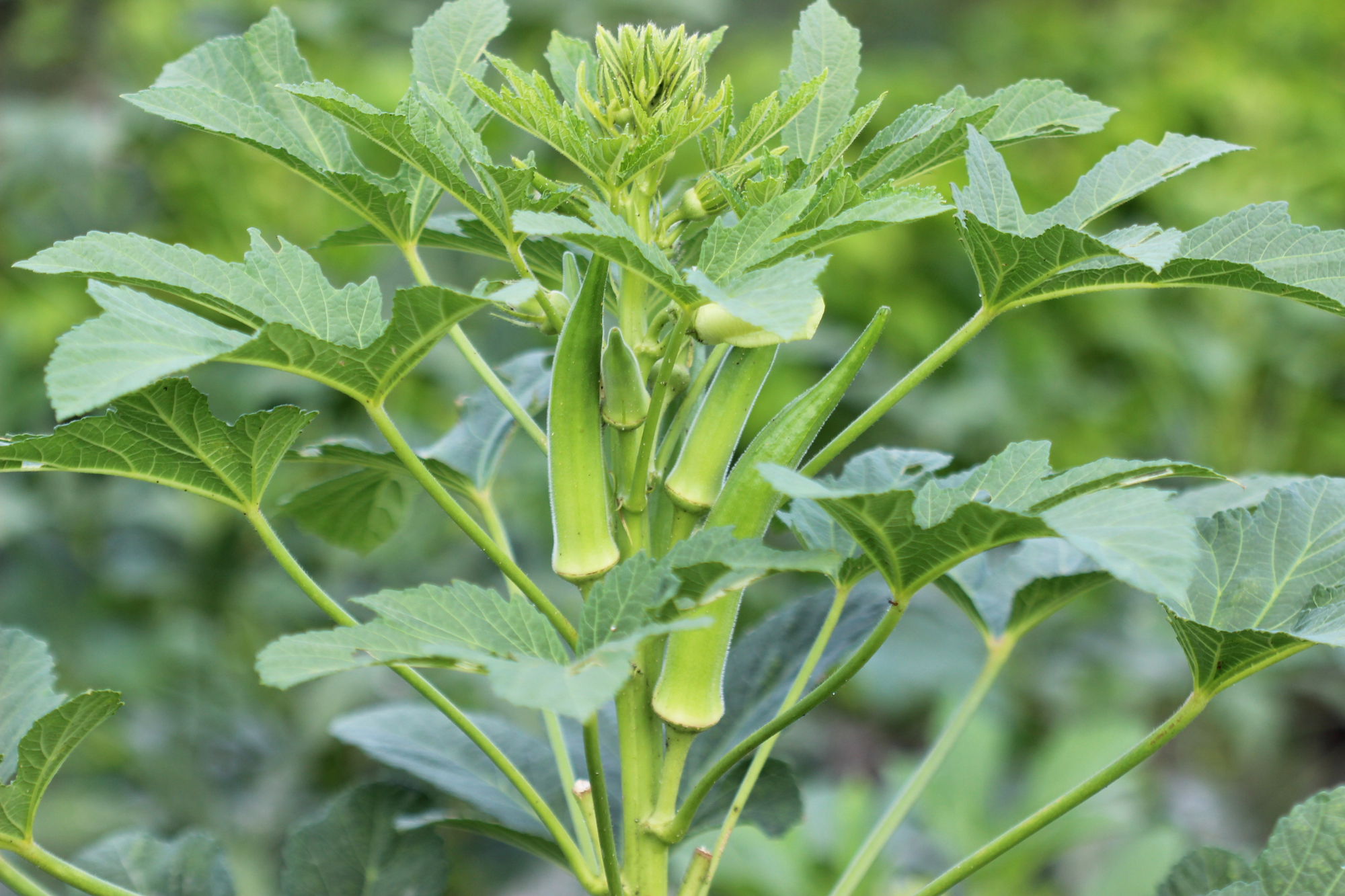

Tomatoes are among the most popular crops cultivated in gardens in India. Helpful you sharing Tomatoes cultivation & growing.
Unpredictable rainfall impacts crop growth and often triggers pest and disease outbreaks. Contingency cropping and mid-season corrections are crucial to minimize these risks. At Krishi Seva Kendra, we offer expert advice and solutions for effective crop management. Visit us for tailored strategies to protect your crops from weather, pests, and diseases.