

Overview
- Name: Mint
- Botanical Name: Mentha spp. (commonly Mentha spicata for spearmint, Mentha × piperita for peppermint), many other species and varieties
- Plant Family: Lamiaceae (mint family)
- Native to: Temperate regions of Europe, Asia, and parts of Africa (specific species have varied native ranges)
Description
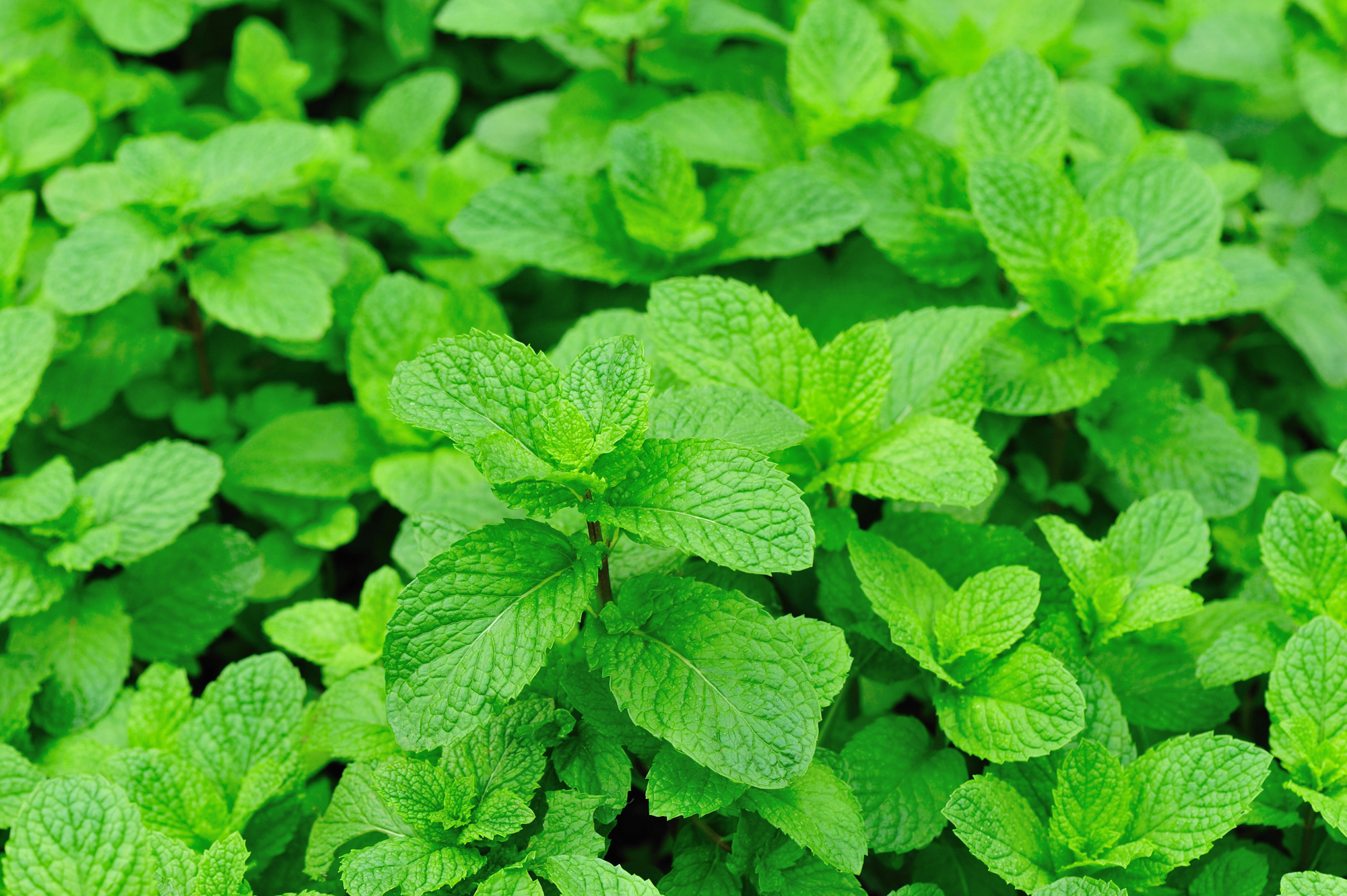
Mint is a vigorous perennial herb, typically producing square stems characteristic of the mint family. Depending on the species, plants can reach 30–60 cm (1–2 ft) in height and spread outward via underground runners (rhizomes). The bright green leaves are arranged oppositely along the stems, often with slightly serrated margins, and exude a refreshing aroma when crushed. In mid to late summer, clusters of small, tubular flowers bloom at stem tips or in whorls, usually in shades of white, pink, or lilac. Following flowering, each tiny bloom can produce small brownish seeds, though gardeners frequently propagate mint via cuttings or divisions to maintain consistent flavor and to avoid hybridization.
The Many Mint Varieties
There are literally dozens of varieties of mint available, far too many to describe. Whether you grow culinary herbs for the kitchen, for tea-making, craft your own potpourri, make your own pest-repellents, or need a fragrant lawn alternative, there’s a variety of mint plant for the purpose!
One of the most familiar culinary mint varieties are common mint (Mentha viridis), which has oval shaped leaves and white flowers, and spearmint (Mentha spicata), which has pointed leaves and pink/white flowers. Some sources identify them as the same plant (Mentha spicata, syn. Mentha viridis), which can get confusing, but in either case, their use is identical. The leaves are used with meat, fish and vegetable dishes, rice dishes, salads, sauces and mint jelly.
A curious culinary mint is basil mint (Mentha × piperita var. citrata ‘Basil’), which has a citrus and spice flavour similar to sweet basil, but not as aromatic. It’s used as a basil substitute, and the leaves are used with fish and vegetable dishes, salads and soups.
As a handy tip, when adding any kind of mint into cooking, add it late into the food, as the aroma of mint fades quite quickly when cooked.

Another mint which is used to flavour literally everything is peppermint (Mentha × piperita), which is used in teas, desserts, cakes, icings, ice creams, confectionaries and cordials. Just to complicate things, there are two strains of peppermint.
- The first variety is black peppermint (Mentha x piperita var. piperita), which can be distinguish by its deep red stems with purplish-tinged dark green leaves. This type of peppermint produces a superior essential oil that is preferred as a food flavouring and for medicinal purposes.
- The second variety is white peppermint (Mentha x piperita var. officinalis), which can be distinguish by its more slender green stems, lighter green leaves, milder fragrance and taste
Favoured for medicinal use, menthol mint (Mentha arvensis var. piperascens), contains more menthol (the component of the aromatic oil that confers the mint smell and flavour) than any other mint, with the essential oil being comprised of up to 80% menthol. It’s used as a tea, and also to relieve nasal congestion, where, with a towel over the head, the warm vapours from leaves infused in boiling water are inhaled.
Two mint varieties, Mojito mint (Mentha x villosa ‘Mojito’), which has a citrus-spearmint flavour, and Julep mint (Mentha x piperita ‘Julep’), which has a strong and sweeter spearmint flavour, are used for making the respective alcoholic beverages with the same names.

Some mint varieties have uses other than culinary ones, and while other varieties are actually not edible at all.
- The aptly named Eau-De-Cologne mint (Mentha citrata) smells just like the perfume, making it ideal for using in a potpourri of dried fragrant herbs, and a great choice for planting along a path to release its scent when brushed against ion a multi-sensory garden.
- The herb pennyroyal (Mentha pulegium) is a variety of mint that’s used for its repellent properties. The dried leaves are crush up and sprinkled over pet bedding to reel fleas. An oil infusion made from the leaves is used as an ant repellent. Additionally, since pennyroyal grows as a very tough, spreading groundcover plant, it’s used as a lawn alternative in moist, shady locations.
- The rather unusual Corsican mint (Mentha requienii) is a flat-growing, shallow rooted, moss-like plant with tiny heart-shaped leaves around 3-5mm wide. It’s ideal for use as a lawn alternative for growing between paving stones, and doesn’t run under the soil like other mint varieties, so it’s not invasive, and also has a minty aroma. It prefers moist locations that receive part shade, and will take full morning sun, but not scorching afternoon sun. Interestingly, Corsican mint is traditionally used as the flavouring in the liquor creme de menthe!
There are quite a few more popular mint varieties to add to the list. To satisfy the more curious gardeners out there. I’ll mention briefly them, their names are described what they smell like!
- In alphabetical order, we can add apple mint (Mentha suaveolens), banana mint (Mentha arvensis piperascens ‘Banana’), berries and cream mint (Mentha spp.), chocolate mint (Mentha x piperita f. citrata ‘Chocolate’), Egyptian mint (Mentha x niliaca), ginger mint (Mentha x gracilis), grapefruit mint (Mentha x piperita citrata ‘Grapefruit’), lemon mint (Mentha x piperita f. citrata ‘Lemon’), lime mint (Mentha x piperita citrata ‘Lime), Moroccan tea mint (Mentha spicata ‘Moroccan’), orange mint (Mentha x piperita citrata ‘Orange’), and pineapple mint (Mentha suaveolens ‘Variegated’).
Last but not least are the aquatic mint varieties, that grow in water.
- There’s the appropriately but uncreatively named water mint (Mentha aquatica), and the bush food, the Australian native river mint (Mentha australis).
The Mentha genus includes about 42 species and 15 hybrids, with hundreds of subspecies and cultivars. I doubt that any gardener can complain about a lack of choice!
Interesting Facts
- Ancient cultures prized mint for both its fragrance and purported medicinal benefits. The Greeks and Romans used mint to freshen rooms and flavor wines, while medieval herbalists prized it for relieving mild digestive issues. Over time, mint’s versatility in teas, candies, and oral care cemented its global culinary and cultural significance.
- Mint’s name is rooted in Greek mythology, referencing the nymph “Minthe,” who was transformed into this aromatic plant by the goddess Persephone. Symbolically, mint was linked with hospitality and was strewn on floors to mask unpleasant odors in gatherings—an early form of natural air freshener.
- Thanks to robust rhizomes and quick lateral spread, mint can naturalize aggressively if left unmanaged. Many gardeners grow mint in pots or raised beds to prevent it from encroaching on neighboring plants. Even a small stem fragment can re-root under the right conditions, underscoring mint’s strong survival instincts.
- Different mint varieties, such as spearmint and peppermint, arise from crossbreeding among species. Peppermint (Mentha × piperita) is a sterile hybrid, known for its sharper, more menthol-rich flavor, whereas spearmint (Mentha spicata) tends to be sweeter and less pungent, making it ideal for salads and certain beverages.
- With mint, the essential oil concentration is highest during the flowering stage, not just before it, as is typical for many other herbs. Essential oil yield and quality peak during full bloom, making that the optimal time to harvest mint for medicinal or aromatic use (e.g., oil extraction or drying for teas).
- Mint’s active constituents include menthol, carvone, and other aromatic oils, giving it a cooling sensation on the palate or skin. Aside from its culinary use, mint oil is widely utilized in toothpaste, gums, and topical balms.
- Modern research has confirmed several therapeutic benefits: peppermint oil has been shown to reduce symptoms of irritable bowel syndrome (IBS), relieve indigestion, ease tension headaches when applied topically, and provide mild analgesic and antimicrobial effects. These medicinal properties have made mint a staple in both traditional remedies and evidence-based herbal pharmacology.
Basic Growing Information
Mint grows best in mild to warm temperatures, from about 15–30°C (59–86°F), with an optimal range near 20–25°C (68–77°F). It thrives in fertile, evenly moist soil and can adapt to full sun or partial shade. In cooler regions, planting generally begins in late spring once the soil warms, but established mint can tolerate mild frosts. Mint is sensitive to drought stress, and inconsistent watering can diminish leaf quality. Conversely, overly saturated soils increase the risk of root rot. Gardeners in short-summer areas may start cuttings or transplants indoors 6–8 weeks before the last frost date to ensure a swift establishment once transplanted outdoors.
- Sun Requirements: Full sun or partial sun (especially in hotter climates)
- Water Requirements: Medium to high (consistent moisture but avoid waterlogging)
- Soil Types and Properties: Prefers fertile, well-draining loamy soil enriched with organic matter; tolerates slightly heavier soils if not waterlogged
- Soil pH: 6.0–7.5
- Pot Size for Container Growing: 20–25 cm (8–10 in) diameter or larger (ensure at least 15–20 cm (6–8 in) depth)
Planting
- Best Time to Plant:
- Climates with freezing winters: After the last spring frost, typically mid to late spring for transplants or cuttings
- Climates with milder winters: Early spring or autumn, provided temperatures remain above 10°C (50°F) for establishment
Note: Check gardening calendars for the best planting times in your location
- Spacing: 30–45 cm (12–18 in) between plants; 45–60 cm (18–24 in) between rows
- Seed Sowing Method: Often grown from cuttings or divisions; seeds can be started in trays or directly, but viability and flavor consistency may vary
- Seed Sowing Depth: 0.5 cm (0.25 in) if seeding; often seeds need only a light covering of soil
- Time to Harvest: About 8–10 weeks from planting to usable leaves
- Mature Height/Spread: 30–60 cm (1–2 ft) tall, can spread indefinitely by rhizomes
- Grown From: Seed, cuttings, or divisions
Care and Maintenance
- Watering Tips: Keep the soil consistently moist, aiming for about 2.5 cm (1 in) of water per week in moderate climates. Water at the base of plants, avoiding overhead irrigation that may encourage fungal issues. Container-grown mint can dry out faster, so monitor moisture levels more frequently and provide adequate drainage.
- Fertilization: Mint doesn’t require heavy feeding. Mixing compost or a balanced organic fertilizer into the soil at planting is often sufficient. If leaves appear pale or growth slows, apply a light nitrogen-rich side-dressing mid-season. Over-fertilizing can lead to rapid, leggy growth at the expense of essential oil concentration in the leaves.
- Pruning): Regular pinching or cutting back stems promotes bushier growth and prevents flowering, preserving leaf flavor. Once plants flower, leaves can become bitter or lose potency. Trim plants to about half their height if they become overgrown or lanky; they typically bounce back with fresh, flavorful foliage.
- Support: Mint rarely needs staking, but if grown in partial shade or among taller plants, stems might sprawl. A small stake or low ring can keep them upright. Ensure enough spacing to foster airflow. For container mint, simply rotate pots so the plant receives even light, minimizing top-heavy leaning.
Growing Difficulty
- Easy to Grow
Growing Tips

- To contain mint’s invasiveness, grow it in pots or enclosed beds. Rhizomes can sneak under barriers. If planting in-ground, consider a bottomless container (pot) sunk into the soil to block spreading. Harvest and thin frequently to keep growth in check and maintain tender, aromatic foliage throughout the season. For more information, see article – How to Stop Mint from Spreading in the Garden
- For fuller flavor, harvest leaves in the morning, just after dew has dried. Essential oil levels peak when the plant is well-watered and unstressed. Regular snipping stimulates new leaf production, so avoid letting the plant go to seed. If flowers form, pinch them off promptly to preserve leaf quality.
- Renew your mint patch every 2–3 years by dividing root clumps. Over time, older centers can become woody or less productive. Dig up the plant, discard the older core, and replant healthy outer sections. This rejuvenates growth and helps ensure consistent flavor intensity and leaf production.
Companion Plants
- Good companion plants include: Cabbage, tomatoes, carrots, radishes, and leafy greens. Mint’s strong aroma may help repel pests like aphids, flea beetles, and cabbage moths, making it a useful companion plant in mixed vegetable beds.
- Avoid planting near: Parsley, chamomile, or other delicate herbs if you want to maintain distinct flavor profiles. Mint’s dominant aroma and vigorous growth can interfere with the flavor and vigor of nearby aromatic herbs.
Common Pests and Diseases
- Pests:
- Aphids: Rinse off with water or use insecticidal soap; attract ladybugs
- Spider Mites: Increase humidity; apply neem oil or miticides if infestation is severe
- Flea Beetles: Use row covers or sticky traps; maintain weed control
- Diseases:
- Mint Rust (Puccinia menthae): Remove and destroy infected leaves; ensure good airflow
- Powdery Mildew: Avoid overhead watering; maintain spacing
- Root Rot: Provide well-drained soil; avoid waterlogging
Harvesting
Harvest Time: Leaves can be harvested once plants reach about 15 cm (6 in) tall—usually 8–10 weeks after planting. Regular harvesting promotes bushier growth. While mint can be picked at any time during the growing season, the essential oil content is at its highest during flowering, typically in mid- to late summer. For the strongest aroma and medicinal properties, harvest the aerial parts of the plant when it is in full bloom. Successive harvests are possible throughout the season as long as the plants are kept moist and healthy.
Harvesting Tips: Pinch or snip off stems just above a leaf node using clean scissors. Gather leaves in the cool morning when essential oils are concentrated. Use fresh mint immediately or dry by hanging small bundles in a shaded, airy spot. Store dried leaves in airtight containers, away from light and moisture.
Propagation

Produce New Plants From: Seeds, divisions, or stem cuttings.
While mint can be grown from seed, the resulting plants often vary in flavor and vigor, especially in hybrid varieties like peppermint. To preserve the distinct taste and aroma of a specific cultivar, division or stem cuttings are the preferred methods.
Division is the most reliable approach for maintaining true-to-type plants. It involves digging up an established plant and separating the root ball into smaller clumps, each with roots and shoots attached. These divisions can be replanted immediately and will quickly establish themselves.
Stem cuttings are another easy method. Take a healthy, non-flowering stem around 10–15 cm (4–6 inches) long, strip the lower leaves, and place it either:
- In water: Submerge the lower nodes in a glass or jar of water. Roots typically emerge within 7–10 days. Once rooted, transplant the cutting into soil.
- In soil: Insert cuttings directly into moist potting mix. Keep the container warm and humid until new growth appears, indicating successful rooting.
Both division and cuttings can be done in spring through early autumn, though spring is ideal for vigorous regrowth. With either method, mint’s fast growth and spreading habit make it easy to establish in garden beds or containers.
Culinary Uses
Mint’s bright, cooling flavor enlivens both sweet and savory dishes across many cuisines. Fresh leaves add a crisp herbal note to salads, especially fruit-based ones featuring watermelon, berries, or citrus. In the Middle East, chopped mint combines with cucumbers, tomatoes, and onions in tabbouleh or yogurt-based dips. Similarly, Indian dishes often incorporate mint chutney alongside spicy curries. For North African or Mediterranean fare, mint pairs elegantly with lamb or chickpeas, lending a bright finish to heavier proteins.
On the sweet side, mint highlights desserts like chocolate cakes and ice creams, thanks to the classic combination of chocolate and mint. A sprig of fresh mint can garnish fruit compotes, custards, or mousse, adding visual appeal and aroma. In beverages, mint is the star in mojitos and mint juleps, muddled into sugar and lime or bourbon. Herbal teas rely on mint for its soothing effect, while iced teas often benefit from a few crushed leaves for a refreshing twist.
Cooking methods depend on how strongly you want the mint flavor to stand out. Because heat can diminish mint’s volatile oils, chefs often add it late in the cooking process or sprinkle it fresh over finished dishes. When preserving mint, some prefer freezing chopped leaves in ice cubes or blending them into pesto-like pastes. Whether used as a garnish or an integral flavor component, mint’s invigorating, cool essence remains a hallmark in kitchens worldwide, tying together savory, sweet, and thirst-quenching recipes with equal aplomb.
In conclusion, mint is an undemanding herb that rewards gardeners with abundant, fragrant foliage, provided its spread is kept under control. By offering partial to full sun, moderate watering, and periodic cutting back, you’ll maintain a healthy mint patch brimming with flavor for culinary and ornamental use all season.
References
- Mentha × piperita – Plant Finder. Missouri Botanical Garden. https://www.missouribotanicalgarden.org/PlantFinder/PlantFinderDetails.aspx?taxonid=281400&isprofile=1&basic=mentha
- Mint. University of Illinois Urbana-Champaign. Illinois Extension. https://extension.illinois.edu/herbs/mint
- Mint | Diseases and Pests, Description, Uses, Propagation. Plant Village. https://plantvillage.psu.edu/topics/mint/infos


Be the first to reply