


Alocasias are bold, sculptural houseplants prized for their dramatic foliage—large, arrow- or shield-shaped leaves with striking veining and a glossy, often textured surface. These tropical aroids bring an exotic, architectural element to interior spaces and are increasingly popular among plant collectors. While they require attentive care and thrive best in warm, humid environments, their stunning visual impact makes the effort worthwhile. This guide covers everything you need to know to grow and maintain Alocasia plants indoors.
Plant Profile: Alocasia (Alocasia spp.)
Scientific Name: Alocasia spp.
Common Names: Elephant Ear, African Mask Plant, Kris Plant
Origin: Alocasias are native to the tropical and subtropical rainforests and moist lowlands of Asia and eastern Australia, where they thrive in warm, shaded understory environments with high humidity and well-drained soils. Their natural habitat is characterized by filtered light and consistently moist, yet well-draining conditions. Various species and hybrids have been widely cultivated worldwide as ornamental houseplants due to their impressive, architectural foliage and adaptability to indoor environments.
Description: Alocasias are rhizomatous or tuberous evergreen perennials known for their large, often arrow- or shield-shaped leaves with prominent veins and a glossy, sometimes textured surface. Leaf colors vary from deep green to nearly black, often contrasted with bright white or pale green veins. Sizes range widely depending on species and growing conditions, typically growing 30–120 cm tall indoors. The plants produce inconspicuous flowers on upright spikes, but their foliage remains the main decorative feature.
Benefits: Beyond their dramatic appearance, Alocasias can improve indoor air quality by filtering toxins. Their bold form adds architectural interest and a tropical vibe to interiors, making them ideal statement plants. Compact species or cultivars fit well on tabletops, shelves, or plant stands, while larger types become focal points in spacious rooms.

Basic Care Guidelines
Watering Needs: Alocasias prefer consistently moist but not soggy soil. Water when the top 2–3 cm (1 inch) of soil feels dry, thoroughly soaking the soil and allowing excess water to drain freely. Avoid letting the plant sit in water, which can cause root rot. During the growing season (spring to early autumn), maintain regular watering. In the cooler months or dormancy, reduce watering to allow the soil to dry more between sessions.
Soil and Potting: Use a light, well-draining potting mix rich in organic matter, such as a blend of peat, perlite, and orchid bark. Good drainage is essential to prevent root diseases. Repot every 1–2 years or when roots outgrow the pot, ideally in early spring before the active growth period begins.
Light Requirements and Lux Levels: Alocasias thrive in bright, indirect light. Direct sunlight can scorch leaves, while too little light results in slow growth and dull foliage.
- Low Light: 50 to 250 lux. Insufficient for healthy growth; leaves may yellow and drop.
- Medium Light: 250 to 1000 lux. Tolerable but may slow growth and reduce leaf size.
- High Light: 1000 to 2000 lux. Optimal for robust growth and vibrant foliage when filtered or indirect.
Use a lux meter to monitor indoor light levels, especially during seasonal changes.
Temperature and Humidity: Alocasias prefer warm temperatures between 18–27°C (65–80°F). Avoid temperatures below 13°C (55°F), as cold stress causes leaf damage and dormancy. High humidity (above 60%) supports healthy leaf development; increase humidity with humidifiers, pebble trays, or regular misting if air is dry.
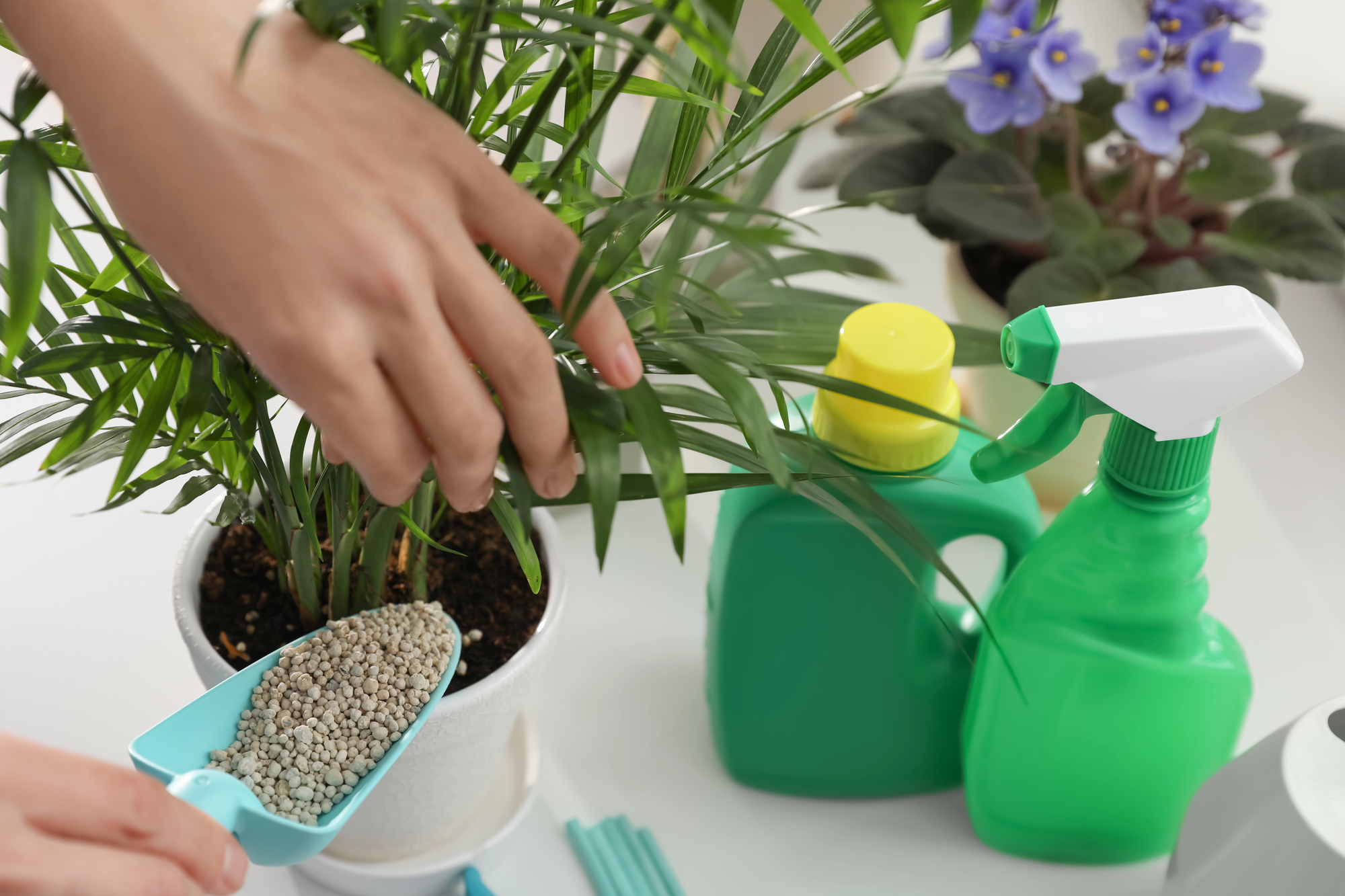
Fertilization and Pruning: Feed monthly during spring and summer with a balanced, water-soluble fertilizer at half strength. Avoid fertilizing during dormancy. Remove yellowing or damaged leaves with sterilised scissors to maintain appearance and encourage new growth.
Dormancy Period of Alocasia

Alocasias undergo a natural dormancy period, typically in late autumn or winter, especially when exposed to cooler temperatures and reduced daylight. During dormancy, growth slows or stops, and leaves may yellow, wither, or drop entirely. This rest phase is vital for the plant’s health and future vigor.
To manage dormancy:
- Gradually reduce watering to allow the soil to dry out more between waterings.
- Avoid fertilizing during this period.
- Keep the plant in a warmer, well-lit spot but protect it from cold drafts.
- Once new growth appears in spring, resume regular watering and feeding.
If dormancy occurs indoors, it often signals a need to adjust temperature, humidity, or light conditions to better mimic natural cycles.
Propagating Alocasias
Alocasias can be propagated through division or from offsets (pups) that grow from the base of mature plants. Division is easiest during repotting in early spring.
Method: Propagating by Division
Step 1: Prepare sterilized tools, pots with drainage, and fresh well-draining potting mix.
Step 2: Remove the plant from its pot and gently separate rhizomes or offsets ensuring each section has healthy roots and leaves.
Step 3: Plant divisions in individual pots, just deep enough to cover roots.
Step 4: Water lightly and place in warm, bright indirect light with high humidity. New growth usually emerges within weeks.
Pest Management and Troubleshooting
Alocasias are prone to pests such as spider mites, aphids, and mealybugs. Inspect regularly and treat infestations promptly with neem oil or insecticidal soap. Common issues include:
- Yellowing leaves: Often from overwatering or low light.
- Leaf browning or curling: Caused by low humidity or cold drafts.
- Root rot: Due to waterlogged soil.
Consistent care and environment management prevent most problems.
Decorating with Alocasias

Alocasias’ striking foliage and tropical vibe make them excellent focal points in living rooms, offices, or bathrooms with sufficient indirect light and humidity. Larger varieties create dramatic floor plants, while smaller types fit well on tabletops or shelves. Pairing Alocasias with other tropical plants enhances a lush indoor jungle aesthetic. Their bold leaves contrast beautifully against neutral décor and contemporary pots.
In summary, Alocasias are visually stunning indoor plants that require attentive care involving warmth, humidity, proper watering, and light. Understanding their dormancy period helps maintain their health and ensures vibrant, dramatic foliage year after year. With the right conditions, Alocasias become unforgettable statement plants in any indoor garden.

Be the first to reply