

2. Balance

Balance refers to the even distribution of visual weight within the garden. A balanced garden creates a sense of stability and comfort, where no single element feels overpowering or out of place. There are two types of balance that can be used depending on the desired style of the garden:
- Symmetrical Balance: This balance is formal and structured, with elements on one side mirroring those on the other. For example, identical rows of shrubs flanking a central pathway create a classic look seen in traditional French and Italian gardens.
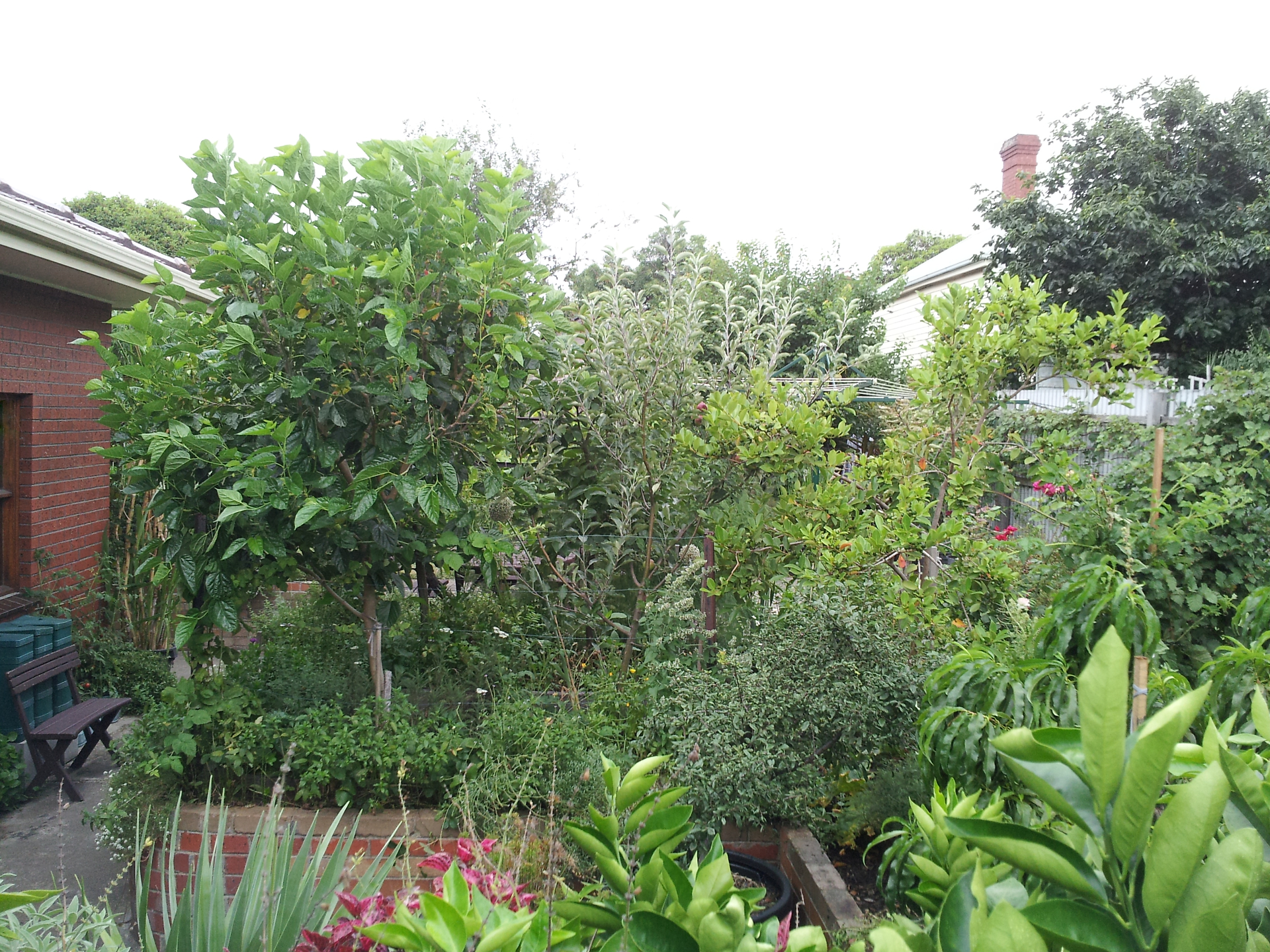
- Asymmetrical Balance: Asymmetry is more natural and relaxed, achieved by arranging different shapes, sizes, and textures. For example, balancing a large tree with a cluster of tall perennials and a bench creates a dynamic but balanced look.
- Visual Weight: Larger, darker objects and bold colors carry more visual weight than smaller, lighter ones. For balance, a large dark shrub can be paired with smaller, lighter plants on the opposite side of a pathway.
Balance in garden design refers to the even distribution of visual weight within the space, creating a sense of stability and comfort. A balanced garden feels natural and intentional, where no single element dominates or feels out of place. Achieving balance allows the viewer’s eye to move comfortably through the garden, creating a harmonious and visually pleasing experience.
A well-balanced garden creates a sense of calm and order, regardless of the garden’s size or style. Whether through formal symmetry or a more relaxed natural balance, the key is to ensure that visual weight is distributed evenly so that no part of the garden feels too heavy or too empty.
Balance is particularly important in garden design because outdoor spaces are constantly changing. Plants grow, flower, and die back; sunlight shifts throughout the day; and seasonal changes alter the color and texture of the garden. A balanced design ensures that these changes enhance rather than disrupt the overall harmony of the space.
Types of Balance in Garden Design
Balance can be created in two primary ways: symmetrical balance and asymmetrical balance. Both approaches rely on distributing visual weight through the careful placement of plants, hardscaping, and decorative elements. The choice between symmetrical and asymmetrical balance depends on the overall style and mood of the garden.
1. Symmetrical Balance
Symmetrical balance creates a formal, structured, and orderly look. It is based on the principle of mirroring, where one side of the garden reflects the other along a central axis. This type of balance is often seen in classical, French, and Italian-style gardens.
Symmetry appeals to the human brain because it reflects natural patterns found in nature, such as the symmetry of leaves, flowers, and even the human body. It creates a sense of calm and predictability, which can make a garden feel elegant and timeless.
- Examples:
- A central path flanked by identical rows of boxwood hedges.
- Two identical planters on either side of a garden gate.
- A symmetrical fountain positioned at the intersection of two pathways.
- Matching topiary shrubs positioned on either side of a bench.
Best Uses:
✅ Symmetry is ideal for formal gardens, courtyards, and entryways where a structured, polished look is desired.
✅ It works well in small gardens because symmetry creates a sense of order and makes the space feel larger.
✅ Symmetry is effective in gardens with architectural features, such as fountains, statues, and gates, as it reinforces their visual strength.
How to Achieve Symmetry:
- Start with a central axis (e.g., a path or water feature) and build the design outward in mirrored patterns.
- Use identical or closely matched plants, containers, and hardscape materials on both sides of the axis.
- Keep plant heights and textures consistent to reinforce the symmetry.
- Ensure that plant spacing is even and consistent to avoid disrupting the balance.
Example:
- A formal Italian-style garden might feature a long gravel path with identical lavender plants on each side, leading to a statue framed by two symmetrical yew hedges.
2. Asymmetrical Balance
Asymmetrical balance is more relaxed and naturalistic. Instead of mirroring elements on either side of a central axis, balance is achieved through the careful arrangement of different shapes, sizes, and textures. Asymmetry creates a sense of movement and spontaneity while maintaining overall harmony.
Asymmetry reflects the irregular patterns found in nature—forests, meadows, and wildflower fields are rarely symmetrical, yet they maintain a natural sense of balance.
- Examples:
- A large tree on one side of a path balanced by a group of ornamental grasses and flowering perennials on the opposite side.
- A curved flower bed with a mix of tall and low plants, balanced by a bench or sculpture in the background.
- A natural pond bordered by plants of varying heights and textures, balanced by a stone pathway on the opposite side.
- A wildflower meadow balanced by a line of low shrubs or grasses.
Best Uses:
✅ Asymmetry is ideal for informal, naturalistic, and cottage-style gardens.
✅ It works well in large or irregularly shaped gardens where a mirrored design would feel forced or unnatural.
✅ Asymmetry allows for more creative freedom and variation in plant height, color, and texture.
How to Achieve Asymmetry:
- Use contrasting plant heights, textures, and colors to balance visual weight.
- Balance larger plants or objects with clusters of smaller plants or ground cover.
- Create focal points with plants or structures, then balance them with complementary forms or textures on the opposite side.
- Repeat colors or textures to establish cohesion without creating a mirrored effect.
Example:
- A Japanese-style garden might feature a large, sculptural pine tree balanced by a cluster of bamboo and a stone lantern positioned diagonally across the space.
3. Radial Balance
Radial balance is a variation of symmetrical balance where elements are arranged around a central focal point in a circular or radiating pattern. This creates a sense of visual harmony and stability while encouraging the eye to move outward from the center.
- Examples:
- A circular fountain with planting beds radiating outward.
- A round patio bordered by curved flower beds.
- A sunburst arrangement of ornamental grasses surrounding a birdbath.
Best Uses:
✅ Radial balance works well in round or square courtyards where the viewer naturally looks toward the center.
✅ It is effective for creating intimate gathering spaces within larger gardens.
✅ It creates a sense of order while maintaining a softer, organic feel.
How to Achieve Radial Balance:
- Use a circular or polygonal pattern as the base for planting and hardscape design.
- Establish a strong central focal point (e.g., a fountain or tree) to anchor the design.
- Arrange plants in repeating patterns or graduated heights around the central element.
4. Visual Weight and Scale
Visual weight refers to how the size, color, and texture of plants and objects influence the perception of balance. Larger, darker, or more textured elements carry more visual weight than smaller, lighter, or less textured ones. Balancing visual weight is key to creating harmony within the garden.
- Dark vs. Light Colors:
- Dark green foliage and deep-colored flowers carry more visual weight than lighter shades.
- Balance dark plants with lighter-colored plants or open spaces to prevent heaviness.
- Coarse vs. Fine Texture:
- Coarse-textured plants (like hostas and elephant ears) carry more visual weight than fine-textured plants (like ferns and grasses).
- Use coarse plants as anchors and fine-textured plants to fill spaces and soften the edges.
- Height and Mass:
- Tall plants and structures naturally carry more visual weight.
- Balance a tall tree or structure with a grouping of smaller plants or decorative elements.
Example:
- A large Japanese maple tree with deep red foliage might be balanced by a group of light-colored grasses and a stone lantern positioned nearby.
5. Balancing Hardscape and Softscape
Hardscaping (patios, walls, paths) and softscaping (plants, trees, flowers) should be balanced to prevent the garden from feeling too hard or too wild.
- Balance heavy paving areas with soft, trailing plants or ornamental grasses.
- Use climbing plants on trellises or walls to soften harsh architectural lines.
- Ensure that hardscaping materials match the tone and texture of the surrounding plants.
✅ Key Takeaways:
- Symmetrical balance creates order and formality.
- Asymmetrical balance creates a natural, relaxed feel.
- Radial balance creates a strong, centralized effect.
- Dark colors, large plants, and coarse textures carry more visual weight—balance them with lighter elements.
- Hardscape and softscape should complement each other to maintain balance.
The principles of balance in garden design can be used to create a garden that feels stable, harmonious, and visually pleasing—regardless of size or style.


Your links to the sections don’t work, providing 404’s. I think the URL being created by the blog post is breaking the link.
Thanks James for letting me know, I’ve fixed all the links in the table of contents, they’re all working now!