

7. Form and Shape

Form refers to the three-dimensional shape of plants and structures. Shapes define the visual character and structure of the garden.
- Upright and Vertical Forms: Columnar plants like Italian cypress create height and structure.
- Rounded and Mounded Forms: Shrubs like boxwood create softness and mass.
- Weeping Forms: Plants like weeping willows add movement and create a sense of calm.
- Horizontal and Spreading Forms: Ground covers and creeping plants create a sense of stability and grounding.
Form refers to the three-dimensional shape and structure of plants and hardscape elements in a garden. It defines the visual character of a space, influences how the eye moves through the landscape, and establishes the overall mood and style of the garden. Thoughtful use of form creates structure, balance, and flow, guiding the viewer’s eye and shaping the garden’s atmosphere.
Plant forms vary widely, from tall, upright plants to low, spreading ground covers. Each form interacts with the others to create a balanced and cohesive design. Combining different forms thoughtfully can highlight focal points, create movement, and provide contrast and depth.
In garden design, form is one of the most permanent and defining elements because plants maintain their fundamental shapes throughout the year, even as colors and textures change with the seasons. Structural plants, such as evergreens and architectural shrubs, provide a consistent framework that gives the garden year-round visual interest.
Key Types of Plant Forms
Plants can be broadly classified into several primary forms. Successfully combining different forms creates contrast and balance, while repetition of forms creates a sense of rhythm and unity.
1. Upright and Vertical Forms
Upright and vertical forms create height and draw the eye upward, adding a sense of structure and drama to the garden. These forms are often used as architectural elements to create focal points or to provide a sense of enclosure.
- Examples: Italian cypress (Cupressus sempervirens), holly (Ilex aquifolium), and foxgloves (Digitalis purpurea).
- Best Use:
- Place at the entrance or corners of a garden to frame the space.
- Use as a backdrop to highlight shorter plants in front.
- Create vertical interest by interspersing tall plants along a pathway or bed.
- Pair with horizontal or mounded forms to create visual contrast and balance.
Practical Tip: Upright plants with narrow bases (such as tall grasses) can create a top-heavy look if not balanced by low or spreading plants at the base. Ground covers or mounded forms can help stabilize the look.
2. Rounded and Mounded Forms
Rounded and mounded forms create softness and provide a sense of comfort and enclosure. Their symmetrical, flowing shapes bring a feeling of order and calm to the garden.
- Examples: Boxwood (Buxus sempervirens), azaleas (Rhododendron spp.), and lavender (Lavandula angustifolia).
- Best Use:
- Use in mass plantings to create a structured, cohesive appearance.
- Place rounded shrubs near entryways or paths to create a welcoming effect.
- Combine rounded forms with more angular or upright plants to create contrast and soften hard edges.
- Use rounded shrubs or grasses to visually anchor a garden bed.
Practical Tip: Repetition of rounded forms creates unity and flow, but overuse can make a garden feel monotonous. Introduce contrasting forms to maintain interest.
3. Weeping Forms
Weeping forms add softness, movement, and a sense of relaxation. Their cascading branches or leaves create a calming effect, especially when placed near water or other reflective surfaces.
- Examples: Weeping willow (Salix babylonica), Japanese maple (Acer palmatum var. dissectum), and weeping cherry (Prunus pendula).
- Best Use:
- Place near water features to enhance the reflective quality of the surface.
- Use as focal points or specimen plants to draw attention.
- Combine with upright or mounded forms to create variety and balance.
- Incorporate in sheltered spaces or shaded areas to create a secluded, peaceful feel.
Practical Tip: Weeping plants with long, flexible branches can create a sense of movement in the breeze. Position them where they can catch natural light to highlight their cascading effect.
4. Horizontal and Spreading Forms
Horizontal and spreading forms provide a sense of stability and grounding. These forms create a visual foundation and help balance taller or more dramatic elements.
- Examples: Creeping thyme (Thymus serpyllum), trailing sedum (Sedum spp.), and spreading juniper (Juniperus horizontalis).
- Best Use:
- Use as ground covers to fill gaps and prevent soil erosion.
- Place along paths or in rock gardens to soften hard lines.
- Pair with upright or vertical forms to create contrast and balance.
- Use in the foreground of a border to visually anchor taller plants.
Practical Tip: Spreading plants can quickly overtake other plants if not carefully managed. Use edging or root barriers to keep them in check.
5. Architectural and Structural Forms
Certain plants have striking structural forms that define the overall look and feel of a garden. These are often used as focal points or framework plants.
- Examples: Agave (Agave americana), tree aloe (Aloe barberae), and New Zealand flax (Phormium spp.).
- Best Use:
- Place as focal points to draw the eye.
- Use in modern or minimalist garden designs to create bold lines and contrast.
- Combine with softer textures and rounded forms to avoid harshness.
Practical Tip: Architectural plants often thrive in well-drained soil and full sun. Group them with drought-tolerant plants to create a cohesive, low-maintenance planting scheme.
6. Irregular and Naturalistic Forms
Plants with irregular or asymmetrical shapes create a relaxed, naturalistic effect. They are often found in informal or cottage-style gardens.
- Examples: Wildflowers, mixed meadow grasses, and irregularly shaped shrubs.
- Best Use:
- Use in informal or wildflower gardens to create a natural, flowing look.
- Allow plants to self-seed and grow freely to create an organic, spontaneous effect.
- Mix with more structured forms to create a balanced, layered design.
Practical Tip: Irregular forms work best when balanced by more structured plants or hardscaping elements to prevent the garden from looking overgrown.
Combining Plant Forms for a Cohesive Look
To create a visually balanced garden, combine different plant forms using the following guidelines:
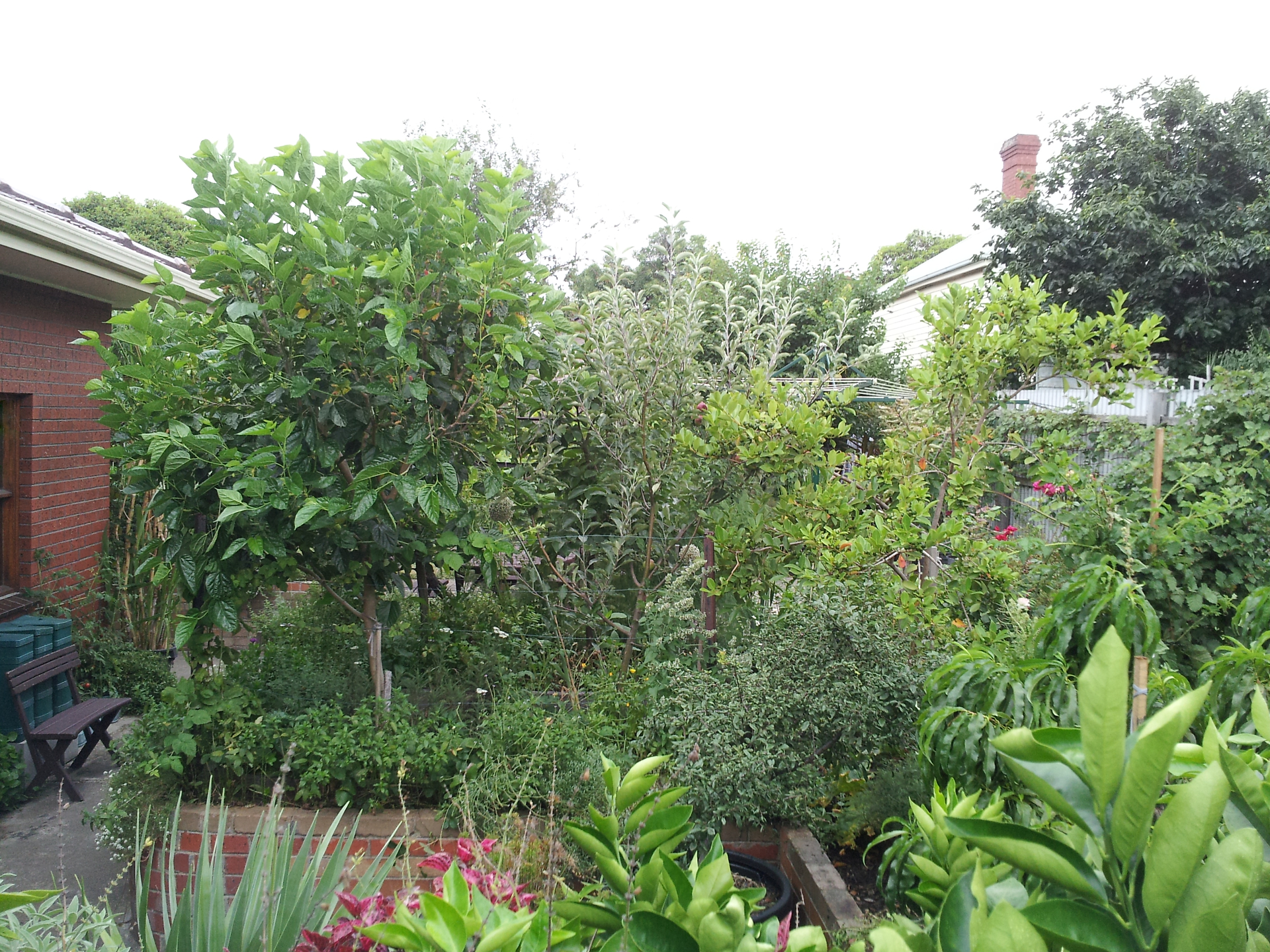
- Balance Tall and Low Forms: Place tall, upright plants at the back of a border or in the center of an island bed, with mounded and spreading plants in front.
- Contrast Shapes: Pair vertical plants with rounded or weeping forms to create visual interest.
- Create Focal Points: Use architectural or weeping forms as focal points, surrounded by softer, mounded plants to frame them.
- Repetition of Forms: Repeating similar plant forms creates unity and flow. For example, repeating columnar cypress trees along a pathway reinforces the visual line and creates rhythm.
- Varying Heights: Combine plants of different heights to create a layered effect and enhance depth and perspective.
- Use Forms to Define Space: Upright forms can create a sense of enclosure, while low, spreading forms open up a space and create a sense of expansiveness.
Form in Hardscaping and Garden Structures
Form is not limited to plants—hardscape elements also contribute to the overall structure of the garden:
- Vertical Elements: Trellises, pergolas, and obelisks create height and structure.
- Curved Forms: Curved pathways or rounded garden beds soften hard lines and create a sense of flow.
- Rectilinear Forms: Straight-edged patios, brick walls, and concrete paths create order and definition.
- Irregular and Organic Forms: Natural stone, winding paths, and irregularly shaped beds create a relaxed and naturalistic feel.
✅ Key Takeaways:
- Combine upright, rounded, weeping, and spreading forms to create contrast and balance.
- Use vertical forms to create height and structure; balance them with low, spreading forms.
- Create focal points with architectural or weeping forms.
- Repeat similar forms to create unity and flow.
- Use hardscape elements to reinforce plant forms and enhance overall structure.
The principle of form in garden design can be used to create a space that feels balanced, intentional, and visually engaging.


Your links to the sections don’t work, providing 404’s. I think the URL being created by the blog post is breaking the link.
Thanks James for letting me know, I’ve fixed all the links in the table of contents, they’re all working now!