The feijoa (Acca sellowiana), commonly known as pineapple guava, is an evergreen fruiting shrub or small tree from the Myrtaceae family, that is native to South America. It is widely grown in the subtropics and in warm temperate areas. This remarkably hardy plant is quite […]
Year: 2021
Does Watering Plants on a Hot Sunny Day Scorch Their Leaves?
One common gardening myth is that watering plants on a hot, sunny day will scorch their leaves. Is this a fact or a fallacy? There appears to be no information published by university agricultural extension agencies, or in the horticulture literature, to support this idea. […]
How to Make a Simple Earwig Trap That Doesn’t Need Bait
European earwigs are usually considered to be garden pests, but they rarely damage leafy green vegetables. When they do, they leave many rough irregular holes with a shredded, jagged appearance in the leaves, much like snail and slug damage. They also chew leaves around the […]
What Are the Little White Insects Floating in Worm Farm Liquid?
Everyone gardener with a worm farm has probably seen little white insects wriggling around on the surface of the liquid that drains out of the drainage tap at one time or another. Many gardeners wonder what they are, whether they’re harmful, and if it’s safe […]
Garden Pests – How to Control Snails and Slugs Without Toxic Chemicals
Snails and slugs are one of the most destructive garden pests, causing extensive damage to seeds, seedlings, leaves, fruit and tubers. They go about unseen because they only come out at night or on rainy days to feed, and hide during the day. The damage […]
Why You Shouldn’t Fertilise Gardens in Winter in Cool and Temperate Climates
For adequate plant nutrition, gardens should be fed with fertiliser twice a year at the very minimum. Once at the start of spring (September in the southern hemisphere, March in the northern hemisphere) for warm season crops, and then again at the start of autumn […]
Manure Application Rate, How Much Should We Use in the Garden?
When feeding the garden it’s best to use natural fertilisers, such as manures, blood & bone, fish emulsion or blended organic fertilisers. No matter what kind of fertiliser we choose to use, it’s important to apply the right amount, and no more! For plants, over-fertilising […]
What Happens If You Don’t Turn Your Compost?
Many gardeners compost their garden waste, but quite a few don’t make the regular effort to turn their compost! Composting is a process where microorganisms such as bacteria, fungi and protozoa are utilised to break down plant matter and other biodegradable materials into a dark, […]
Are Rainbow Tomato Seeds Fake? Garden Mythbusting
Gardeners are usually enticed by the exotic, the more unusual something is, the more attractive it seems! There are a few online stores selling seeds for rainbow tomatoes, claiming they will produce many different vivid colours of tomatoes from the same plant. Have a look […]
How to Make an Outdoor Ant Trap to Protect Fruit Trees from Aphid and Scale Pests
Spring is the time when the weather warms up, and nature springs to life. Fruit trees flower and put out their new leaves ready for the growing season. Sugar rich sap rises from the roots of fruit trees to fuel the new season’s growth. Gardeners […]
How Many Hours of Sun Do Vegetables and Herbs Need to Grow?
The amount of light that vegetables and herbs require varies, depending on the type of plant. We can make most of available garden spaces by observing which areas are in full sun and part shade, both during summer and winter, and then selecting the right […]
How Much Potting Mix Does a Garden Pot Hold?
Plastic garden pots come in a range of standard sizes. When filling a large pot, or a number of smaller pots, gardeners often have to estimate how much potting mix they will require. Bags of potting mix specify how many litres they hold, usually 25-30L […]
What is the Ideal Soil Depth for Wicking Beds?
Wicking beds are self-watering raised garden beds, that operate on the principle of sub-irrigation. Water stored in a reservoir located at the bottom wicks water upwards to the soil above, watering the plants from below. When constructing wicking beds, it’s important to understand how they […]
How To Prune and Train Blackberries and Their Hybrids
Blackberries and blackberry hybrids, such as thornless blackberries, loganberries, boysenberries, youngberries, taybberries, silvanberries, marionberries and lawtonberries all belong to the genus Rubus, along with raspberries. Unlike raspberries which have vertical growing canes, blackberries and their hybrids have long trailing horizontal canes, which are usually supported […]
Product Review – Seahawk Clone Station 24 Aeroponic Cloner
Plant propagation is the process of producing more plants from a single plant, is a very popular practice amongst many gardeners. Many plants self-propagate by seed, and some through runners or clumping, but there are also artificial propagation methods such as growing from cuttings, where […]
Does Potash and Epsom Salts Really Make Citrus Fruit Sweeter? Garden Mythbusting!
Is the advice to “use potash and Epsom salts to grow sweeter citrus fruit” based on scientific fact, or is it just gardening folklore? Adding potash (potassium) is only helpful when citrus trees are suffering from potassium deficiency, which is rare in healthy soils, and […]
Plant Biology Basics – Guest Post by Daniel Fuller
Most gardeners get by knowing how much water and fertiliser to put on their tomatoes, and when. But someone that has basic plant biology knowledge just understands plants in a way that’s hard to describe to people that don’t have basic plant biology knowledge. It’s […]
How to Make an Earwig Bait Trap Using Oil, Water and Soy Sauce
The European earwig (Forficula auricularia) is one of our most common earwigs found worldwide in gardens. These insects are scavengers, and they are omnivores – they are voracious feeders on soft-bodied insects such as aphids and insect eggs, they also prey on mites, spiders, and […]
Book Review – Safer Gardens: Plant Flammability & Planning For Fire by Lesley Corbett
Safer Gardens: Plant Flammability & Planning For Fire by Lesley Corbett is one of the most reliable, comprehensive, and well-researched books published to date on the subject of fire-resistant plant and tree selection. This phenomenal text is a massive compilation of scientific research from around […]
How to Plant Two or More Trees in the Same Hole for High Density Tree Planting
High density tree planting, where two or more trees can be planted in the same hole to form a single canopy with multiple trunks, is drawn from the system of Backyard Orchard Culture, developed by the Dave Wilson Nursery of Central California. In this system, […]
How Many Straw Bales Do I Need to Mulch My Garden?
Straw mulches such as hay, lucerne, pea straw and sugar cane mulch are popular for use in vegetable gardens because they’re easy to apply, and they work well to conserve water and effectively suppress weeds. These non-woody mulches breaks down very quickly, in around six […]
What Are the Real Health Benefits of Himalayan Salt Lamps?
Himalayan salt lamps have become very popular home decor accessories because of their aesthetic value and affordability. As natural crystals, they bring nature’s beauty into the home, and when crafted into lamps and illuminated, their warm pink, amber or orange glow creates a calming, tranquil […]
A Better Way to Stake Up and Support Vegetables in Pots
Many gardeners grow vegies in pots, tubs, planters, and self-watering pots. Container gardening is an excellent solution when space is limited or more growing area is required. When growing climbing vegetables such as beans and peas, indeterminate (vining) tomatoes, pumpkins, cucumbers, and zucchini in pots, […]
Product Review – ViparSpectra VA600 Dimmable 600W LED Plant Grow Light
With the rapid advances in lighting technology in recent years, LED grow lights are set to become the next big thing in indoor garden lighting. Once upon a time, the only indoor growing lights around were used for specialist use only, either very expensive, complicated […]
How to Neutralise Glyphosate (Roundup) Herbicide Contamination in Soil
Glyphosate (chemical compound N-phosphonomethyl glycine), also known by the trade name of Roundup, is a non-selective, post-emergence, broad-spectrum systemic organophosphate herbicide used for control of annual and perennial plants. This weedkiller is the largest selling herbicide chemical in the market today, and the most used […]
Product Review – Fiskars UPX82 PowerGear X Tree Pruner
Fiskars UPX82 PowerGear X Tree Pruner, a super-sturdy and lightweight, ergonomically-designed pole pruner for easy cutting in all directions Pole pruners are versatile pruning tools which provide extended reach, allowing gardeners to access tree canopies and dense bushes to trim overhead branches without needing a […]
How to Prune a Mulberry Tree for Multiple Crops in a Single Season
Mulberry trees are deciduous trees which are traditionally winter pruned when they’re dormant and have no leaves, with the pruning carried out in late winter. When spring arrives, the buds on the bare branches open to produce new leaves, as well as new branches which […]
What is Osage Orange, and is it Edible?
Osage orange (Maclura pomifera), also known as Bois d’ arc, Hedge Apple or Horse Apple, is a member of the Moraceae family, to which figs, mulberries, breadfruit and jackfruit also belong, and is native to the south-central United States. This thorny, fast-growing, medium-sized tree or […]
Can Eucalyptus Leaves be Composted or Used as Garden Mulch?
In Australia, one of the most common trees are eucalyptus trees, also known as eucalypts or gum trees. These evergreen trees manage to drop a decent amount of their leaves, branches, twigs and gumnuts below their canopy. Since this debris doesn’t rot very easily, it […]
How to Sterilize and Disinfect Pruning Tools
Plant diseases, caused by pathogens such as bacteria, viruses and fungi, can easily be spread from one plant or tree to another if pruning tools are not disinfected before use. Sap from trees and plants usually sticks to the blades of secateurs, loppers, saws and […]
Guest Post – Should You Get a French Drain?
Despite its name, a French drain didn’t come from France. It’s a drainage system created by an American named Henry Flagg French. It’s mostly used for removing water from fields, but today, it’s much more common to use french drains to avert water from inside […]
Is Tree Stump Killer Herbicide Safe Around Ponds?
The active ingredient in herbicides used specifically for killing trees and tree stumps is triclopyr butoxyethanol ester (triclopyr BEE), which is NOT safe to use around ponds, lakes, rivers, streams, any other waterways or bodies of water. The product leaflet for Triclopyr 600 Herbicide issues […]
Why Do Earthworms Gather at the Top of Compost Bins or Worm Farms and Try to Escape?
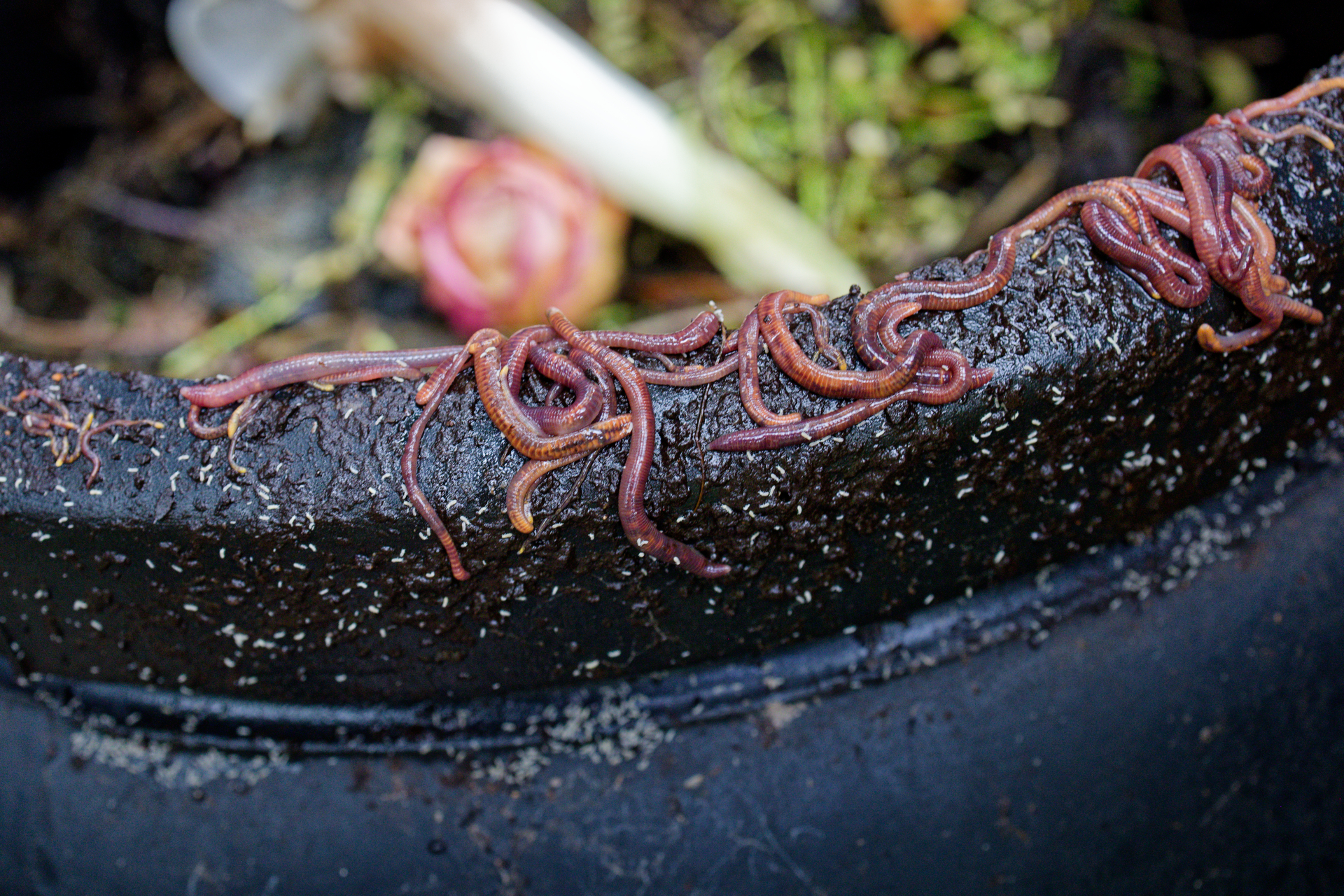
Compost worms in worm farms and earthworms in compost bins can often be seen gathering in large numbers on the surface or inside the lid, seemingly trying to escape. This can be due to impending rainy weather, unfavorable conditions in the compost/worm farm, or the […]
How to Repair Broken Terracotta Pots and Garden Features
Terracotta is a hard, fired clay that’s reddish-orange in colour, and is commonly used for making pots and garden features. This material has been used by human civilisations for centuries, dating back to the times of ancient China, Greece and Egypt, a testament to its […]
How to Identify and Treat Herbicide Contamination of Commercial Soil, Compost and Manure
Over the last decade, there have been increasing reports from gardeners that their vegetables and flowers have been damaged or killed after adding manure or compost to their gardens, or when they’ve planted into new soil they had delivered. In fact, the problems of contaminated […]
How to Control Fungus Gnats in Indoor Plants
The annoying little flies often seen flying around indoor plants are fungus gnats. The adult flies are just a nuisance, but their larvae, which mainly eat fungi growing in decomposing organic matter (such as over-watered plant potting mix!) will also eat the roots of houseplants, […]
Citrus Problems – Leaves Curling Inwards Along Their Length
When leaves of a citrus tree curl evenly along their length, this is a protective response to minimises leaf surface area in order to reduce moisture loss. It indicates that the roots of the tree can’t supply enough water to support the leaves. This form […]
Can You Put Earthworms in the Compost Bin?
In nature, earthworms consume decomposing plant matter, and if a compost pile is constructed, they will often move into it on their own when the plant material is broken down and the compost is completed. When compost materials are piled up, or a compost bin […]
Can You Use Shells for Drainage in Houseplant Pots?
Sea shells should not be used in plant pots because they are made of calcium carbonate (chemical formula CaCO₃), which is exactly the same substance as limestone and garden lime. They will make the potting medium extremely alkaline. Some plants don’t grow well in alkaline […]


