
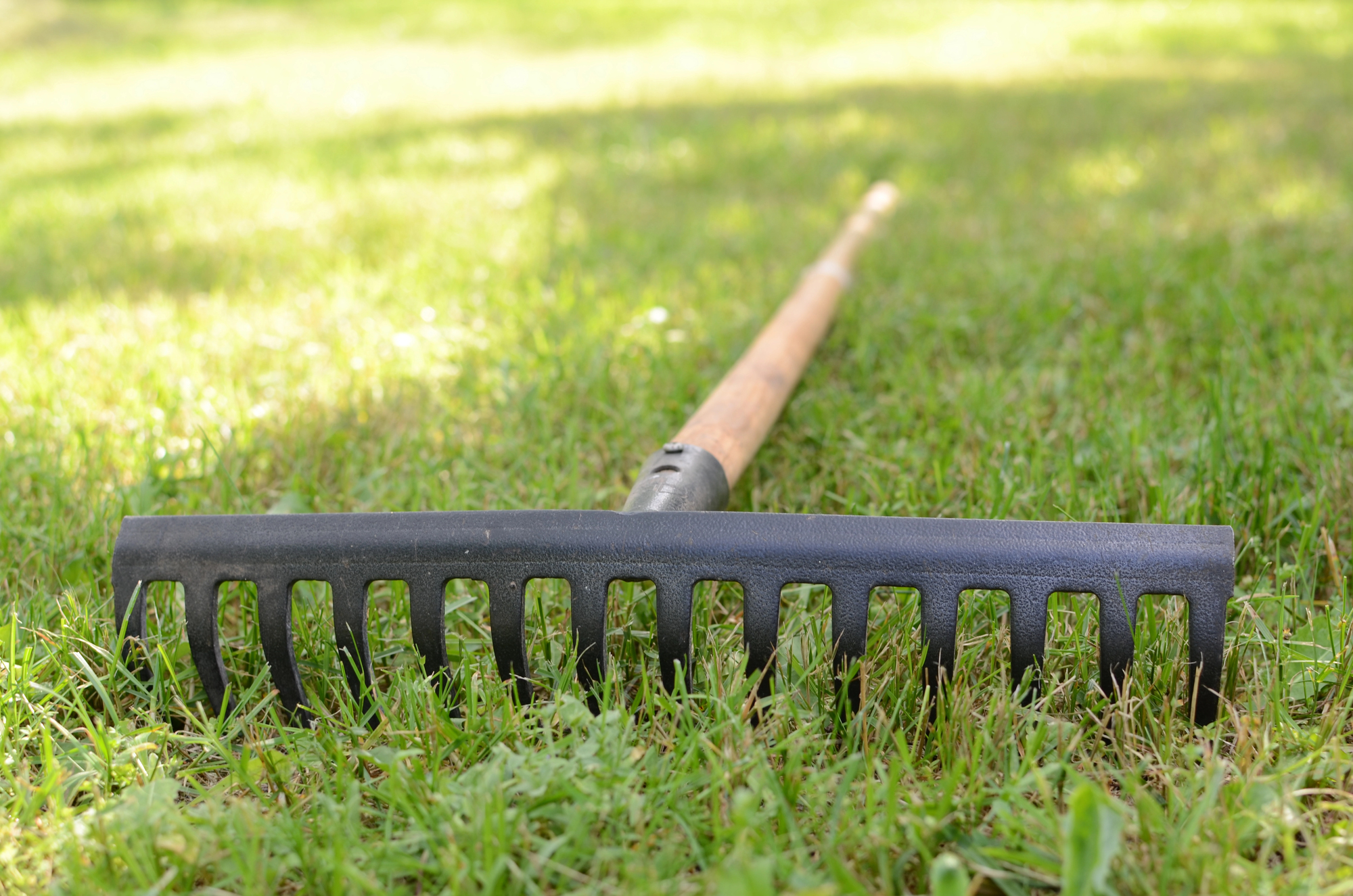

The garden rake is a fundamental tool in both gardening and landscaping, used for tasks ranging from collecting leaves to preparing and finishing soil surfaces. Although often regarded as a simple implement, rakes vary significantly in design, and each type is optimised for a particular purpose. Understanding how different rakes are constructed and used allows gardeners to work more efficiently while avoiding unnecessary soil disturbance or physical strain. This guide explains the anatomy of garden rakes, the main types in common use, how to choose the right rake, and best practices for use and care.
1. Anatomy of a Garden Rake
A garden rake consists of three main components: the head, the tines, and the handle. Variations in each determine how the rake performs.
Head: The head forms the working end of the rake and is typically made from steel, aluminium, plastic, or occasionally wood. Its width and shape influence how much material the rake can move at once and how precisely it can be controlled. Narrow heads provide greater accuracy in confined areas, while wider heads improve efficiency over large surfaces.
Tines: The tines are the teeth that contact soil or debris. They may be straight or curved, rigid or flexible, and closely or widely spaced. Rigid metal tines are suited to soil preparation, levelling, and debris removal, while thin, flexible tines are designed for sweeping leaves and grass without damaging turf. Tine length and spacing affect how aggressively the rake interacts with the surface.
Handle: The handle connects the head to the user and is commonly made from hardwood, fibreglass, or metal. Handle length influences reach and leverage: longer handles reduce bending when working over large areas, while shorter handles improve control for detailed work. Handle material affects weight, vibration, and durability.
2. Types of Garden Rakes and Their Uses


Different rake designs are intended for specific tasks, and using the correct type improves both efficiency and surface finish.
Leaf Rake (Lawn Rake): Leaf rakes have long, flexible tines made from plastic or spring steel that fan outward from the handle. They are designed for gathering leaves, grass clippings, and other lightweight debris from lawns and garden beds. The flexibility of the tines allows them to glide over uneven ground without tearing grass or disturbing soil.
Garden Rake (Bow Rake / Soil Rake): The garden rake, often called a bow rake, has a short, rigid metal head with straight tines. In a traditional bow rake, the head is supported by a curved brace (the “bow”) that strengthens the connection to the handle. Some modern soil rakes attach directly to the handle without a bow; functionally, they perform the same tasks. Garden rakes are used for levelling soil, spreading mulch, breaking up clods, and removing stones during bed preparation.
Landscape Rake (Gravel Rake): Landscape rakes have wide heads with long, straight metal tines. They are designed for grading and levelling large areas of soil, sand, or gravel, such as pathways, driveways, or lawn preparation. The wide working width makes them efficient for large-scale surface finishing rather than detailed work.
Thatch Rake: A thatch rake has short, stiff, sharp-edged metal tines, often arranged on both sides of the head. It is designed to remove thatch—accumulated dead grass and organic debris—from lawns. The aggressive tines cut into the thatch layer and pull it to the surface. Thatch rakes can also be used lightly to scratch and loosen soil, but they are not general-purpose rakes.
Hand Rake: Hand rakes are compact versions of garden rakes, used for working in tight spaces such as containers, raised beds, and densely planted borders. Their small heads and short handles allow precise control for tasks like loosening soil, spreading mulch, or removing small weeds.
3. Selecting the Right Garden Rake

Choosing the appropriate rake depends on the task, the material being worked, and user comfort.
Head material and shape affect durability and suitability. Metal heads are strongest and best for soil and gravel work, while plastic heads are lighter and better suited to leaf collection. Head width should match the scale of the job, with wider heads for large areas and narrower heads for detailed work.
Tine design determines how the rake interacts with the surface. Flexible tines suit sweeping tasks, while rigid tines are needed for levelling and breaking up soil. Closely spaced tines work best for fine materials, whereas wider spacing handles coarse debris more effectively.
Handle length and material influence posture and fatigue. Longer handles reduce bending when raking large areas, while shorter handles offer better control in confined spaces. Wooden handles absorb vibration and are comfortable in cold weather, while fibreglass and metal handles are more resistant to weathering.
Weight should balance effectiveness and endurance. Heavier rakes provide more force for soil work but can cause fatigue over time, while lighter rakes are easier to use for prolonged sweeping tasks.
4. Proper Technique for Using a Garden Rake
Using correct technique improves efficiency and reduces strain.
When raking leaves or light debris, use a leaf rake with flexible tines. Hold the rake at a slight angle and use a sweeping motion to gather the material into piles. Avoid pressing down too hard, as this can damage the lawn or disturb the soil.
For levelling soil or gravel, use a garden or landscape rake with straight, rigid tines. Start at one end of the area and work your way across, work methodically across the area using smooth back-and-forth motions, redistributing material evenly rather than dragging large amounts at once. Apply even pressure to ensure a smooth, level surface.
When breaking up soil clumps or removing stones, pull the rake toward you using the rigid tines to fracture clods and collect rocks and debris. This technique is especially useful when preparing garden beds or planting areas after digging or for final surface refinement.
For thatch removal, hold the thatch rake at a steeper angle and use short, firm pulling strokes to cut through the thatch layer, being careful not to damage the healthy grass underneath. Work gradually to avoid excessive damage to healthy grass.
In tight or delicate areas, that require precision, such as working in flower beds or around delicate plants, use a hand rake. The smaller size allows for greater control, making it easier to spread mulch, remove weeds, or loosen soil without disturbing nearby plants.
5. Maintenance and Care of a Garden Rake
Regular maintenance keeps a garden rake effective and extends its lifespan.
After use, remove soil and plant debris from the tines and head. Dry metal parts thoroughly to reduce the risk of rust. Hardened dirt or sap can be removed with a wire brush.
For carbon steel blades, a light coat of vegetable or linseed oil helps prevent rust. Synthetic mineral oils such as machine oil or penetrating oils such as WD-40 are not environmentally friendly, and are best avoided where soil contact is expected. Store rakes in a dry location, preferably hanging to keep tines off the ground.
Wooden handles benefit from occasional sanding and treatment with linseed oil to prevent drying and splintering. Fibreglass and metal handles require minimal care but should be inspected for cracks or deformation.
Bent metal tines can sometimes be straightened carefully with pliers; severely damaged heads should be replaced to maintain the rake’s effectiveness.
6. Safety Considerations
Wear sturdy, closed-toe footwear to protect feet from accidental contact with tines. Maintain an upright posture, using arm and shoulder movement rather than bending excessively at the waist. Be aware of obstacles such as rocks or roots that could cause the rake to catch suddenly, and take regular breaks during prolonged use to reduce fatigue.
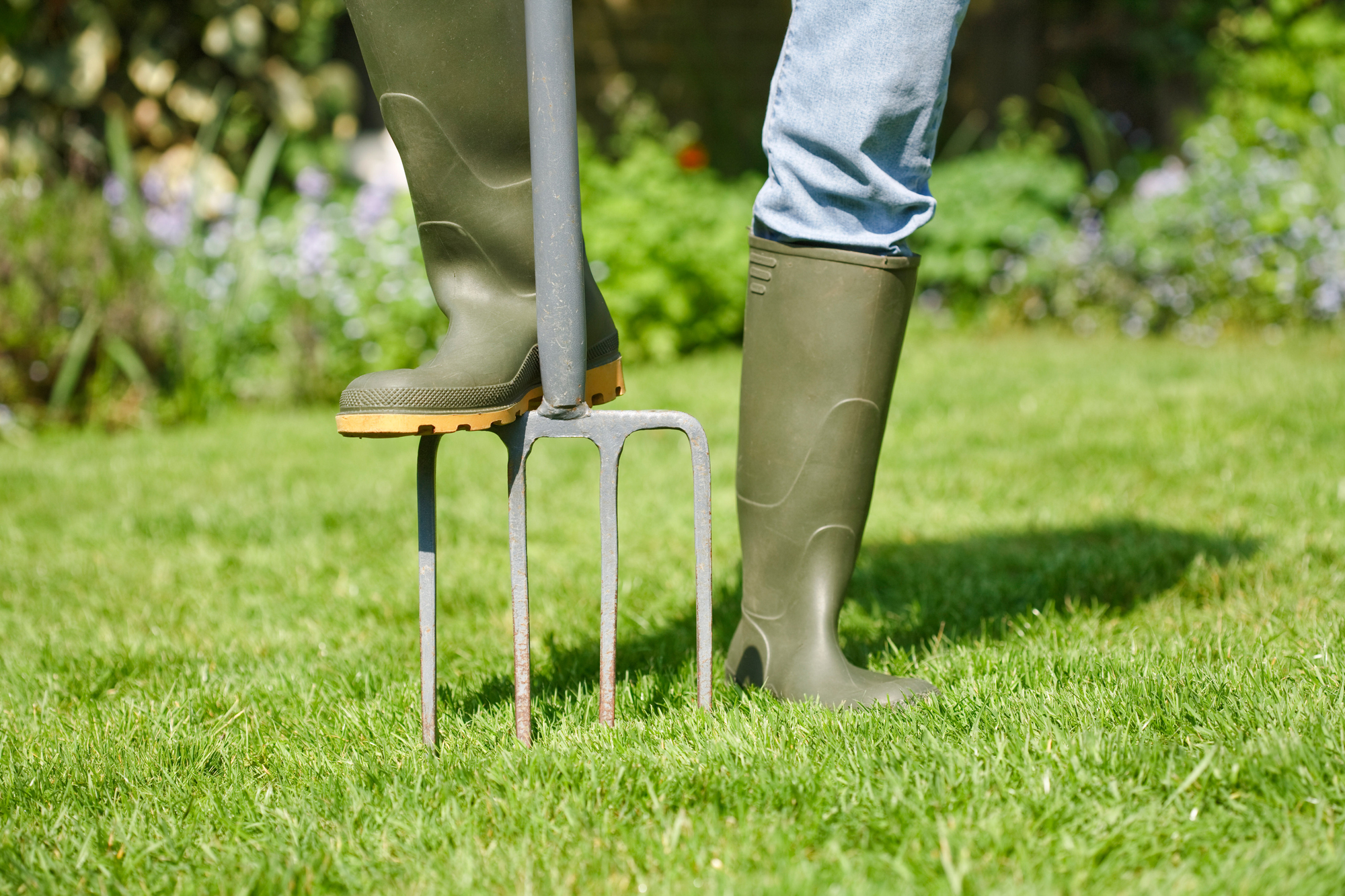
In conclusion, the garden rake is an essential finishing and surface-preparation tool, distinct from digging implements such as spades and forks. By selecting the correct rake for each task and using proper technique, gardeners can improve efficiency, protect soil structure, and reduce physical strain. With routine maintenance and safe handling, a well-chosen garden rake remains a reliable and indispensable part of any gardener’s toolkit.


Be the first to reply