

Overview
- Name: Bush Beans
- Botanical Name: Phaseolus vulgaris (common bean varieties)
- Plant Family: Fabaceae (Legume Family)
- Native to: Central and South America
Description
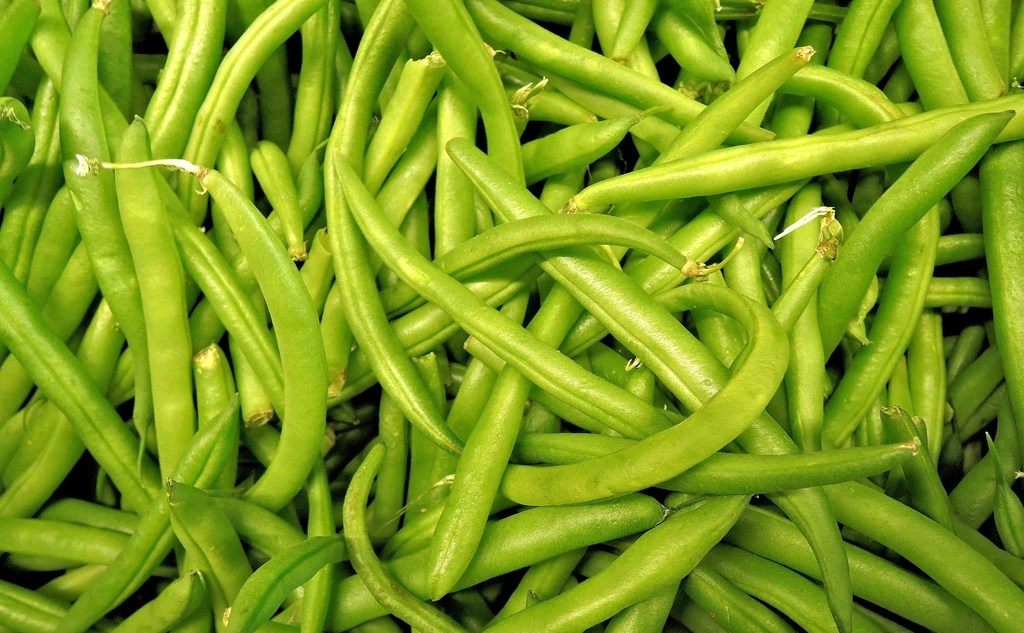
Bush beans are annual plants that form compact bushes, usually growing up to 30-60 cm (12-24 in) tall. The leaves are trifoliate with rounded leaflets, and the plant produces clusters of flowers that develop into long, slender pods. The pods contain the edible seeds (beans), which vary in color and size depending on the variety. These plants are non-climbing and tend to mature earlier than climbing varieties.
Interesting Facts
- Bush beans are one of the earliest cultivated plants in the Americas.
- Unlike climbing beans, they do not require trellises or staking.
- They are known for their short growing season, making them ideal for multiple sowings.
- Bush beans enhance soil fertility through nitrogen fixation.
Basic Growing Information
Common beans are warm-season crops that grow best at soil temperatures between 15-30°C (60-85°F), and are sensitive to cold temperatures and frosts. Plant beans after frosts has passed and the soil has warmed up.
- Sun Requirements: Full sun
- Water Requirements: Medium
- Soil Types and Properties: Fertile, well-draining loamy soil with organic matter
- Soil pH: 6.0 – 7.0
- Pot Size for Container Growing: Minimum 25 cm (10 in) wide and deep
Planting
- Best Time to Plant:
- Climates with freezing winters: Plant seeds after the last frost in spring.
- Climates with milder winters: Plant in early spring or fall.
Note: Check gardening calendars for the best planting times in your location
- Spacing: 5-10 cm (2-4 in) between plants, 45-60 cm (18-24 in) between rows
- Seed Sowing Method: Sow seeds directly into the ground.
- Seed Sowing Depth: 2.5-3 cm (1-1.25 in) deep
- Time to Harvest: 7-10 weeks when planted from seed
- Mature Height/Spread: Bushes grow to about 30-60 cm (12-24 in) tall, with a spread of around 30-45 cm (12-18 in).
- Grown From: Seeds
Sow seeds in the garden when the soil temperature is at least 15.5°C (60°F). The optimal temperature for germination is between 15.5 and 29°C (60–85°F). Planting in cooler temperatures can result in slow germination and an increased risk of seed rot.
For a continuous harvest of beans over the summer months, make new plantings every 2–3 weeks.
Care and Maintenance
- Watering Tips: Water consistently to keep soil moist, especially during flowering and pod development.
- Fertilization: Apply a balanced fertilizer before planting; avoid excessive nitrogen.
- Pruning: Remove yellow or diseased leaves.
- Support: No staking is needed for bush beans.
Growing Difficulty
- Easy to Grow
Growing Tips
- Successively sow every 2-3 weeks to ensure a steady supply of beans.
- Mulch around plants to conserve moisture and suppress weeds.
Companion Plants
- Good companion plants include: Carrots, cucumbers, and corn
- Avoid planting near: Onions, garlic, and fennel
Common Pests and Diseases
- Pests: Aphids, spider mites, Mexican bean beetles
- Prevention and Control Methods: Use insecticidal soap, neem oil, and encourage beneficial insects.
- Diseases: Powdery mildew, rust, bean mosaic virus
- Prevention and Control Methods: Ensure good air circulation and practice crop rotation.
Harvesting
- Harvest Time: Beans are usually harvested around two weeks after they flower, when pods are firm and snap when they are bent, but before before the seeds inside mature and become too noticeable, forming bumps on the pod.
- Harvesting Tips: When harvesting bush beans, it is recommended to pinch them off or use scissors or pruning shears rather than pulling them off the plant. This helps prevent damage to the plant and encourages continued production of beans. Regularly harvest beans every 2-3 days to promote more pod production and maintain the health of the bean plant.
Propagation
- Produce new plants from seeds.
Culinary Uses
Beans are a versatile and nutritious food, enjoyed both fresh and dried. As a fresh green vegetable, beans can be used in salads, steamed, or stir-fried. They can also be dried, cooked, and preserved by canning or freezing, making them a staple in many cuisines.
Nutritionally, beans are very low in fat and cholesterol and can help lower bad cholesterol levels in the body. Their high protein content makes them an excellent meat substitute for vegetarians. Additionally, beans are extremely low in calories, making them a popular choice among calorie-conscious individuals.
In conclusion, bush beans are an excellent, space-efficient crop that suits both large gardens and container growing. Their relatively short growing season, ease of care, and nitrogen-fixing abilities make them a valuable addition to any sustainable gardening system. With minimal effort, they can provide a plentiful harvest of nutritious beans.
Please feel free to add any growing tips in the comments below, and also include your climate/hardiness zone if it’s helpful.


Be the first to reply