
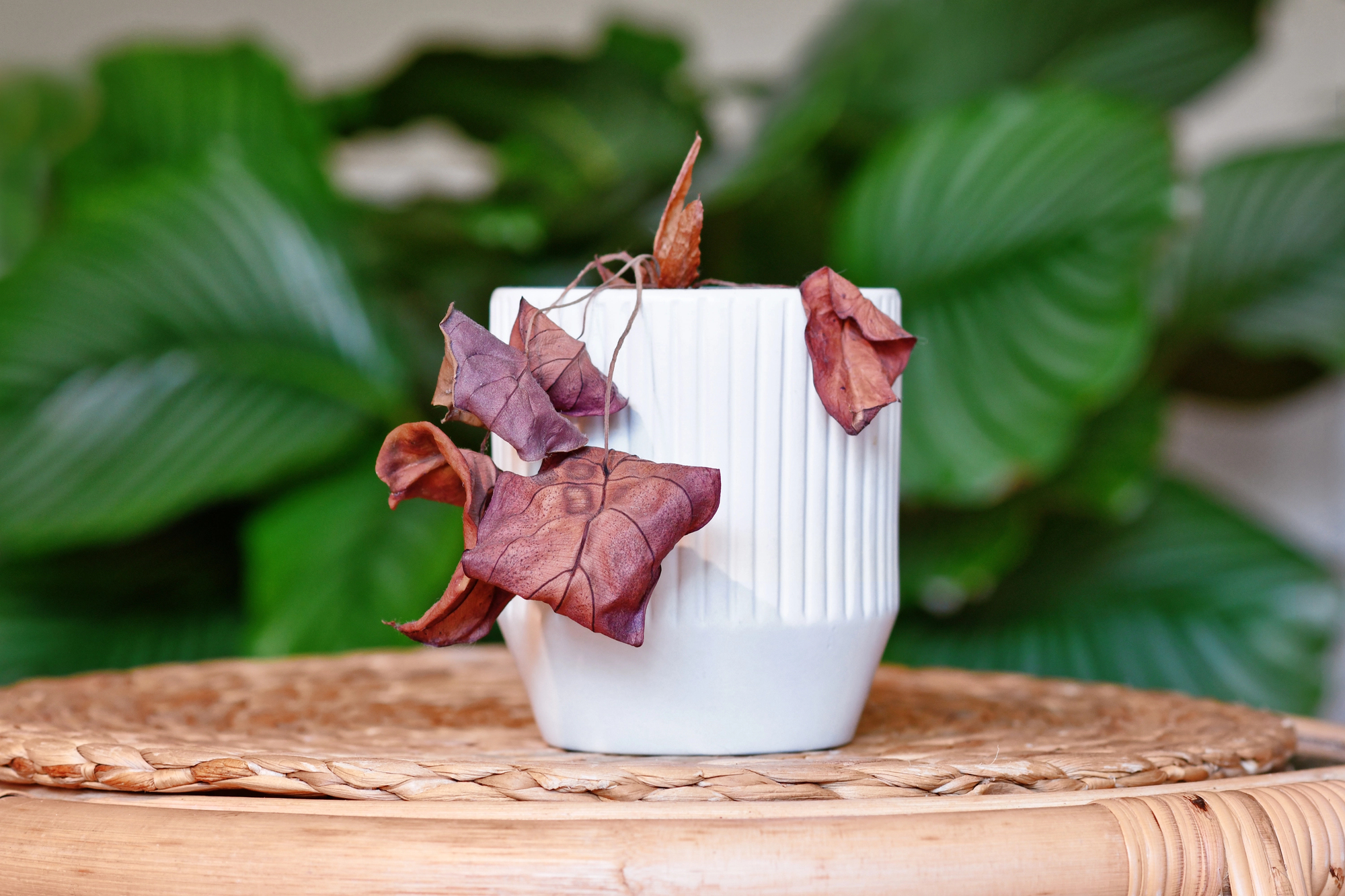

Indoor plants sometimes appear to decline during certain times of year—dropping leaves, slowing growth, or developing a withered appearance. But these changes don’t always signal poor health or death. In many cases, the plant is simply going dormant, a natural physiological state that allows it to conserve energy and survive unfavorable conditions.
Understanding the difference between dormancy and decline is crucial to appropriate plant care. This article explores the botany of dormancy, identifies which houseplants are prone to it, distinguishes it from symptoms of disease or death, and explains how to care for plants correctly during dormant periods.
What Is Dormancy in Plants?
Dormancy is a period of suspended growth and reduced metabolic activity that helps perennial plants survive seasonal environmental stress, particularly cold or drought. It is a genetically programmed response regulated by internal hormones—especially abscisic acid—and triggered by environmental cues such as photoperiod (day length), temperature, or soil moisture. During dormancy, plants redirect resources away from new growth and toward survival processes such as root maintenance or carbohydrate storage.
Dormancy differs fundamentally from senescence, which is the programmed degradation of tissues (such as leaves) due to age or resource reallocation. While senescence may occur during dormancy (e.g. leaf drop in deciduous species), dormancy itself is reversible, whereas plant death is not.
In indoor plants, dormancy may be less pronounced due to stable indoor temperatures, but many species retain their seasonal rhythms regardless of indoor conditions.
Which Houseplants Naturally Go Dormant?

Most common indoor foliage plants are tropical evergreen species and do not undergo true dormancy under indoor conditions. However, some houseplants—especially geophytes (bulb- or tuber-forming plants), succulents, and certain temperate perennials—enter dormancy as part of their natural cycle. Examples include:
- Zamioculcas zamiifolia (ZZ Plant): May drop leaves and cease growing in winter or drought; underground rhizomes persist.
- Alocasia and Colocasia species: Often enter dormancy in winter or when humidity and light are low, sometimes losing all foliage, leaving a dormant tuber below the soil.
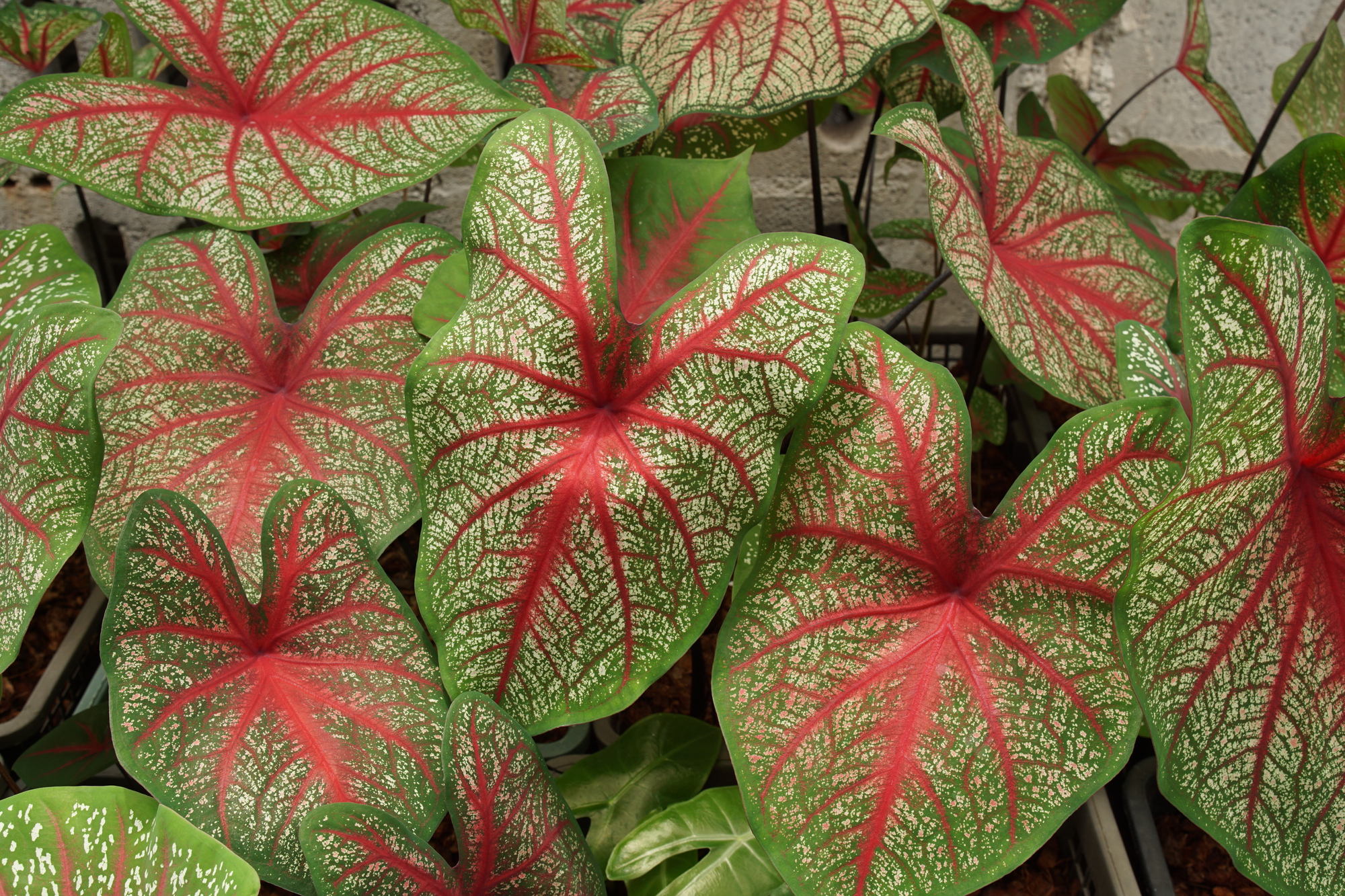
- Caladium: A classic example of tuberous dormancy—leaves die back in autumn, and the tuber rests until spring.
- Oxalis triangularis: Foliage often dies back after flowering or during high summer heat; regrows from bulbs.
- Amaryllis (Hippeastrum): Requires a rest period to flower again; leaves die back naturally.
- Cacti and succulents: Often undergo winter dormancy and just stop growing when light levels and temperature fall.
- Sansevieria (Snake Plant): Not fully dormant, but growth slows dramatically in winter or under stress.

These responses are not signs of ill health—they are seasonal adaptations. Conversely, species such as pothos, philodendron, and peace lily are evergreen in their native habitat and typically grow slowly year-round rather than going dormant.
Signs a Plant Is Dormant—Not Dying

Dormant plants may look lifeless, but they remain biologically active beneath the surface. Key indicators of dormancy include:
- Gradual yellowing and loss of older leaves, especially in a seasonal pattern.
- Cessation of new growth during colder months or after flowering cycles.
- Firm, healthy roots or bulbs when inspected—no softening or rotting.
- No signs of pests, disease, or desiccation beyond normal leaf aging.
- Responsive tissues—stems remain flexible and green just beneath the bark or outer layer when scratched lightly.
By contrast, a dying plant may exhibit symptoms such as:
- Blackened or mushy roots or stems (rot).
- Foul odors from soil (anaerobic activity).
- Widespread crisping or blackening of foliage without new growth.
- No green tissues remaining when stems or tubers are cut or scratched.
- Persistent wilting despite adequate watering.
If in doubt, check root and stem health. Healthy root systems should be firm and white or tan—not brown and mushy.
How to Care for Dormant Houseplants

When a plant is dormant, its needs this change. Trying to stimulate growth with water or fertilizer during dormancy can do more harm than good.
Appropriate care of dormant houseplants includes:
- Reduce or pause watering: Let soil dry more between waterings, depending on species. Water just enough to keep roots from desiccating.
- Do not fertilize: Nutrients will not be used and may accumulate as harmful salts.
- Avoid repotting or disturbing roots: Let the plant rest without stress.
- Adjust location: Provide bright, indirect light but avoid hot or cold drafts.
- Monitor but don’t overreact: Some dormancy symptoms resemble stress. Trust the natural cycle if conditions are appropriate.
For bulbous or tuberous plants that lose all top growth (e.g. Caladium), store the dormant tuber in a dry, dark place at a stable temperature until spring, then replant in fresh potting mix.
When to Resume Normal Care

Plants break dormancy when environmental conditions improve—longer daylight hours, warmer temperatures, or more moisture. Signs of reactivation include:
- Swelling buds or new leaf emergence.
- Green shoots appearing from bulbs or crowns.
- Faster water uptake and drying soil.
At this stage, gradually resume watering and feeding. Use a diluted, balanced fertilizer to support renewed growth.
Final Thoughts
Recognizing dormancy is essential for successful long-term indoor plant care. It prevents unnecessary interventions and supports each plant’s natural rhythm. While evergreen tropicals may grow slowly year-round, species like Caladium, ZZ Plant, and Alocasia require rest periods to remain healthy. Differentiating dormancy from decline involves observing patterns, inspecting roots, and understanding species-specific cycles. With this knowledge, you can care for your indoor garden more confidently and effectively.
References
- Lang, G. A., Early, J. D., Martin, G. C., & Darnell, R. L. (1987). Endo-, Para-, and Ecodormancy: Physiological Terminology and Classification for Dormancy Research. HortScience, 22(3), 371-377. https://www.doi.org/10.21273/HORTSCI.22.3.371
- Grow amaryllis indoors for stunning holiday blooms. (2024, November 26). UMN Extension. https://extension.umn.edu/news/grow-amaryllis-indoors-stunning-holiday-blooms
- Caladiums. (n.d.). Wisconsin Horticulture. https://hort.extension.wisc.edu/articles/caladiums/
- Russ, K. (2024, December 12). Caladium | Home & Garden Information Center. Home & Garden Information Center. https://hgic.clemson.edu/factsheet/caladium/
- Caladiums – gardening solutions. (n.d.). https://gardeningsolutions.ifas.ufl.edu/plants/ornamentals/caladiums/
- ZZ Plant – Gardening Solutions. (n.d.). https://gardeningsolutions.ifas.ufl.edu/plants/houseplants/zz-plant/
- All about amaryllis. (n.d.). Yard and Garden. https://yardandgarden.extension.iastate.edu/how-to/all-about-amaryllis

Be the first to reply