


Overview
- Name: Brussels Sprouts
- Botanical Name: Brassica oleracea var. gemmifera
- Plant Family: Brassicaceae (Mustard or Cabbage family)
- Native to: Mediterranean region, later refined in Belgium
Description
Brussels sprouts are biennial plants typically grown as annuals. They are cultivated for their edible sprouts, which are round, leafy green buds resembling miniature cabbages. These sprouts are light green to blue-green in color and grow in a spiral arrangement along the plant’s thick stem, starting from the base and moving upwards. The plants have long stalks that can reach heights of 60-120 cm (24-48 inches). The large, leathery leaves are green to purple and are similar to those of other cabbage family members, arranged alternately on the stem. The sprouts form at the base of each leaf.
Interesting Facts
- Brussels sprouts are believed to have originated in Belgium in the 16th century, hence their name. They were popularized in Brussels, the capital city of Belgium.
- These tiny vegetables are packed with nutrients. They are high in vitamins C and K, and also provide a good amount of fiber, folate, and antioxidants, making them a nutritious addition to any diet.
- They contain compounds called glucosinolates, which can support the body’s detoxification processes and may have cancer-preventive properties.
- Brussels sprouts are quite hardy and can tolerate frost and even improve in flavor after a light frost, becoming sweeter. This makes them a great crop for cooler climates and late-season harvesting.
- Brussels sprouts have a unique growth pattern among vegetables, developing compact sprouts along a thick, sturdy stem. These sprouts form in the leaf axils, creating neat rows up the stalk. Each plant can produce up to 100 sprouts.
- During World War I, Brussels sprouts were extensively cultivated in the UK due to their high nutrient density and the plant’s suitability to the British climate.
Basic Growing Information
Brussels sprouts are a cool-season crop that can be grown in either spring or autumn. They thrive in temperatures ranging from 7–24°C (45–75°F), with the optimal growing temperature being 15–18°C (59–64°F). These plants perform best in cool climates and mature well in cool or lightly frosty weather. In regions with hot summers, it is best to plant Brussels sprouts for an autumn harvest.
- Sun Requirements: Full sun
- Water Requirements: Medium to high
- Soil Types and Properties: Rich, moist, well-draining, loamy soil
- Soil pH: 6.0 – 7.0
- Pot Size for Container Growing: 50cm pot or larger
Planting
- Best Time to Plant:
- Climates with freezing winters: Sow seeds indoors in early spring, transplant outdoors when soil can be worked.
- Climates with milder winters: Direct sow outdoors in late summer or early fall for a winter harvest.
Note: Check gardening calendars for the best planting times in your location
- Spacing: Plant seedlings about 60 cm (24 in) apart to give room for growth; rows should be 75-90 cm (30-36 in) apart.
- Seed Sowing Method: Start seeds indoors or sow directly in the ground depending on your climate.
- Seed Sowing Depth: 0.5-1 cm (0.25-0.5 in) deep
- Time to Harvest: Typically 14-28 weeks when planted from seed.
- Mature Height/Spread: Up to 120 cm (48 in) tall and 30-60 cm (12-24 in) wide.
- Grown From: Seeds
Care and Maintenance
- Sunlight: For optimal growth and development, plant Brussels sprouts in a location that receives at least six hours of full sunlight each day..
- Watering Tips: Keep the soil consistently moist but not waterlogged to to keep plants productive and prevent them from bolting (going to seed). Mulching around the plants helps retain soil moisture and reduces the soil temperature.
- Fertilization: Apply a balanced fertilizer at planting and a nitrogen-rich fertilizer mid-season to support leaf growth, as Brussels sprouts have a high nitrogen requirement, and soil nitrogen is less available to plants in late autumn and winter due to the reduced soil microbe activity.
- Pruning: Remove lower leaves to encourage sprout development along the stalk.
- Support: Stakes may be necessary for stability in windy areas.
Growing Difficulty
- Moderate to Challenging
Growing Tips
- Provide plenty of nutrients and consistent water to develop tight, firm sprouts.
- Consider planting in a location that shields plants from strong winds.
Companion Plants
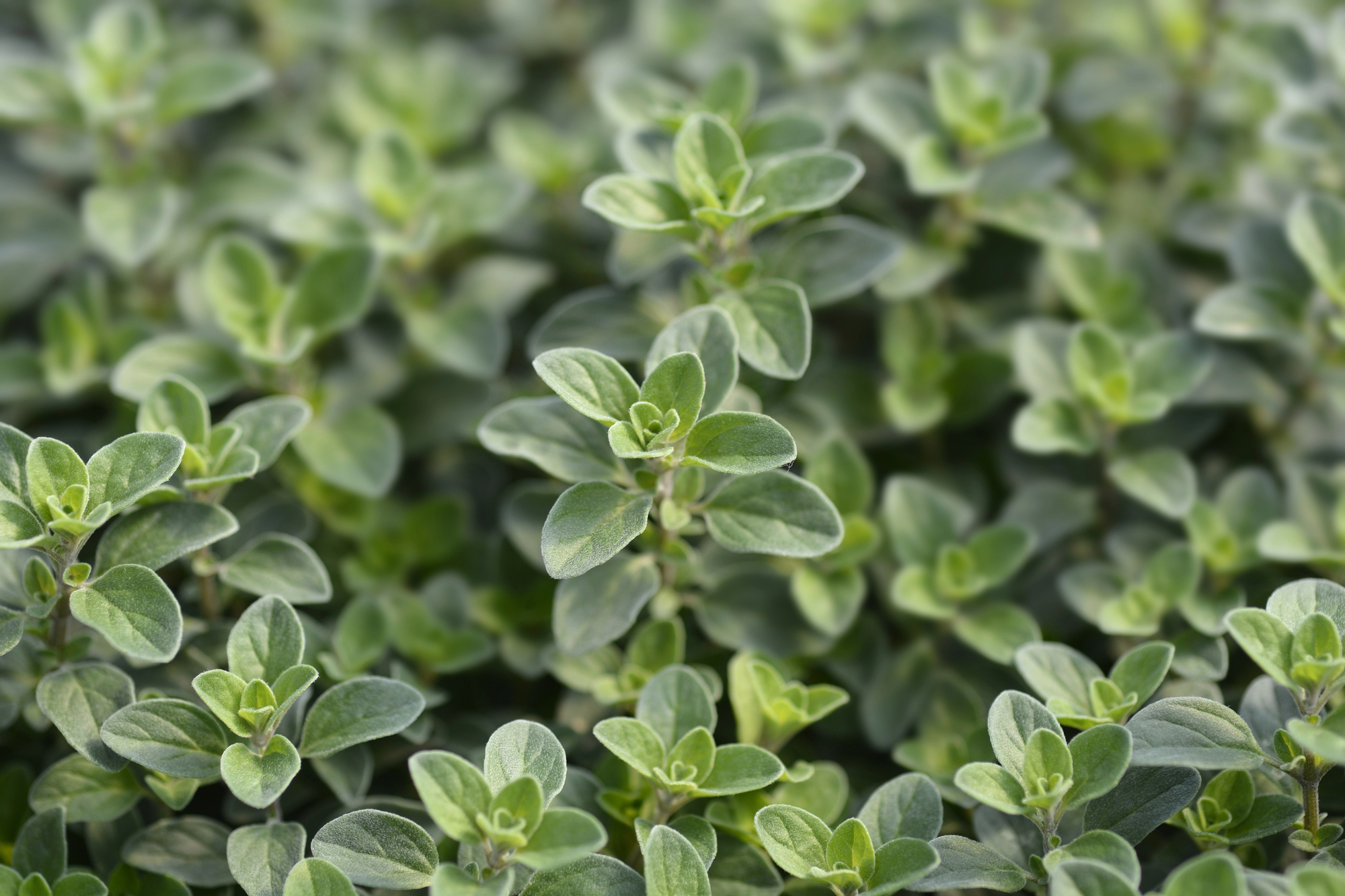
- Good companion plants include: Beans (dwarf), beetroot, celery, cucumber, onions, potatoes, rhubarb, marigold, nasturtium, chamomile, and aromatic herbs such as dill, mint, oregano, sage,
- Avoid planting near: Strawberries, tomatoes, and climbing beans.
Common Pests and Diseases
- Pests: Aphids, cabbage worms, and caterpillars
- Prevention and Control Methods: Use floating row covers to protect plants from pests, encourage beneficial insects to help control pest populations, and apply organic pesticides if necessary. Regularly inspect plants for signs of infestation and take prompt action to manage any issues.
- Diseases: Clubroot and powdery mildew
- Prevention and Control Methods: Ensure good air circulation, rotate crops, and use disease-resistant varieties.
Harvesting
- Harvest Time: Brussels sprouts are generally ready for harvest 90 to 180 days after planting. The sprouts should be firm, well-formed, and green, measuring between 2.5 and 5.0 cm (1–2 inches) in diameter. Harvest starts from the lower stalk upwards, as the oldest sprouts are located at the bottom and mature first.
- Harvesting Tips: To harvest Brussels sprouts, twist the sprouts off by hand or cut them with a sharp knife. Removing yellowing leaves as you go can be beneficial for the plant’s health and appearance. Some growers choose to strip all the leaves from the stalk to speed up the maturation process, mimicking commercial harvesting methods. Additionally, before the ground freezes, you can cut the entire stalk of Brussels sprouts and bring it indoors. This method allows you to continue harvesting the sprouts gradually over a period of time, even after outdoor growing conditions are no longer favorable. By storing the stalk in a cool, dry place, the sprouts will remain fresh and can be picked as needed, ensuring you have a steady supply of Brussels sprouts well into the colder months.
Propagation
- Propagated from seeds. Start indoors for a head start on the growing season.
Culinary Uses
- Brussels sprouts are versatile vegetables that can be prepared in numerous ways. They are commonly roasted, steamed, boiled, or sautéed, often enhancing their natural flavors when paired with savory ingredients such as garlic, nuts, and cheese. In addition to being served cooked as a vegetable, Brussels sprouts can also be pickled in vinegar, offering a tangy alternative. Their adaptability in cooking methods makes them a popular choice in many culinary dishes.
In conclusion, Brussels sprouts are a rewarding crop for those with patience and dedication. Properly grown and harvested, they provide a nutritious and flavorful addition to many meals, particularly in the cooler months. With the right care, they can be a delightful challenge with tasty rewards.
Be the first to reply